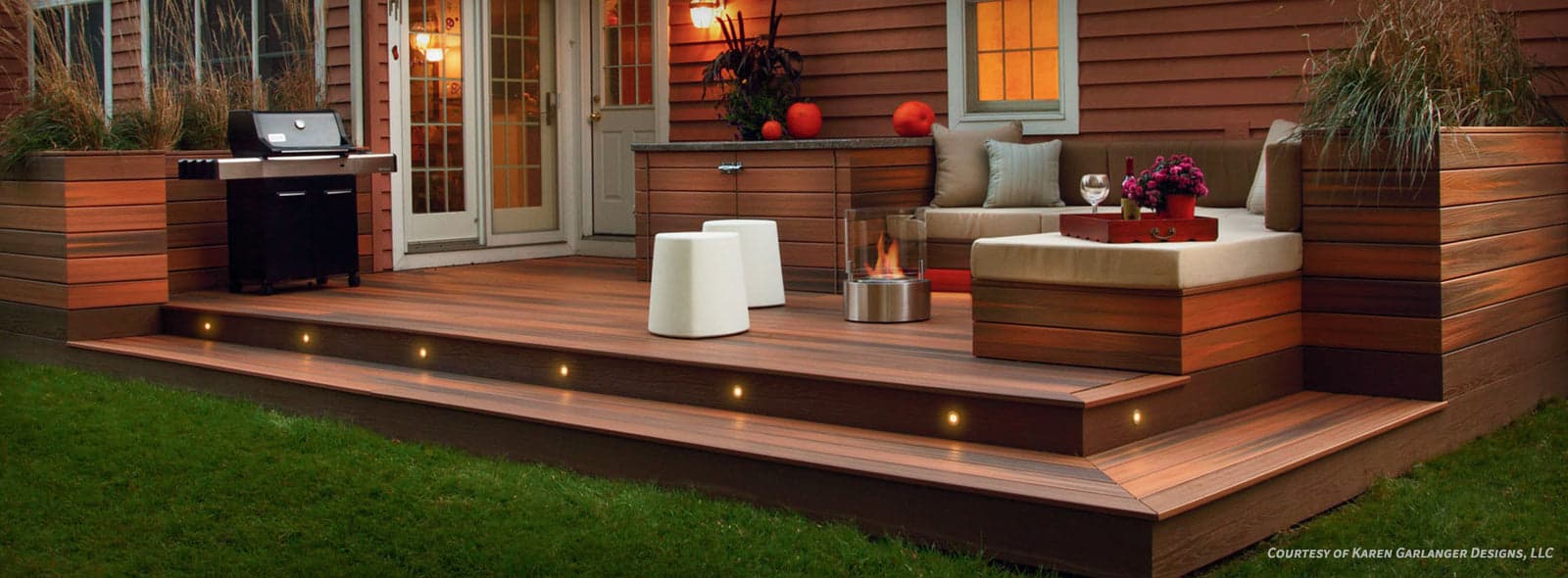
Understanding Fiberon Decking Composition
Fiberon decking is a capped wood-plastic composite, meaning it consists of a blend of recycled wood fibers and plastics, encased in a durable polymer cap. This cap is designed to provide resistance against stains, fading, and weathering. The specific composition and capping can vary slightly between Fiberon's product lines, such as Concordia (four-sided capped), Sanctuary (three-sided capped), and Good Life (scalloped profile).
The integrity of this protective cap is paramount. Harsh chemicals, abrasive cleaners, or power washing at high pressures can compromise the cap, leading to discoloration, etching, or reduced stain resistance. Therefore, any cleaning product must be gentle enough not to damage this surface layer while still being effective at removing dirt and stains.
Fiberon boards are made with 94% recycled content by weight, emphasizing sustainability. This composition also informs the recommended cleaning methods, as traditional wood cleaners or treatments are generally not suitable for composites. The 'no staining, sealing, or sanding' advantage of Fiberon decking means that its care routine is distinct from natural wood.
Manufacturer's General Cleaning Recommendations
Fiberon generally recommends a simple cleaning routine for routine maintenance: a soap-and-water wash. This involves using a mild household soap or a composite deck cleaner, warm water, and a soft-bristle brush. Rinse the deck thoroughly after scrubbing to remove all soap residue. This method is typically sufficient for removing dirt, pollen, and light grime.
For specific types of stains, the manufacturer often provides targeted recommendations. These might include using a degreaser for oil and grease stains, or a diluted bleach solution for mold and mildew. It is crucial to consult the most current Fiberon care guide for the specific product line you have, as recommendations can be updated or vary by product.
When using any cleaning solution, always test it on an inconspicuous area first to ensure it does not cause discoloration or damage. Apply the product, let it sit for the recommended time, and then rinse. Observe the area for any adverse effects before proceeding to clean the entire deck.
Types of Cleaning Products to Avoid
To protect your Fiberon deck and maintain its warranty, certain types of cleaning products and tools should be avoided:
**Abrasive Cleaners:** Products containing scouring agents, steel wool, or harsh scrubbing pads can scratch the capped surface, leaving it vulnerable to stains and reducing its aesthetic appeal.
**Solvent-Based Cleaners:** Strong solvents like acetone, paint thinner, or mineral spirits can dissolve or damage the polymer cap, leading to permanent discoloration or surface degradation.
**Acidic or Alkaline Cleaners:** Highly acidic (e.g., rust removers) or highly alkaline (e.g., strong oven cleaners) products can etch or bleach the deck surface. Always check the pH of a cleaner if unsure.
**Pressure Washers (High PSI):** While light pressure washing may be permitted with caution, using a pressure washer with a high PSI (pounds per square inch) or a narrow tip can gouge the decking material. If using a pressure washer, maintain a low setting (typically below 1500 PSI) and keep the nozzle at least 12 inches from the deck surface, using a fan tip.
**Bleach (Undiluted):** Undiluted bleach can discolor the deck. If bleach is recommended for mold or mildew, it should always be heavily diluted as per manufacturer instructions.
Worked Example: Addressing a Common Deck Stain
Let's consider a hypothetical scenario: a 10-foot by 12-foot Fiberon Sanctuary deck (Chestnut color) has developed a series of small, dark spots after a particularly humid week, indicating potential mold or mildew growth. Additionally, a recent gathering resulted in a small, greasy food stain.
**Step 1: Identify the Stains.** We have two types: organic growth (mold/mildew) and a grease stain.
**Step 2: Consult Fiberon's Care Guide.** The guide for Fiberon Sanctuary recommends a solution of mild soap and water for general cleaning. For mold/mildew, it suggests a diluted bleach solution (e.g., 1 part bleach to 3 parts water) or a composite deck cleaner specifically designed for mold. For grease stains, a degreaser or a mild household cleaner is typically recommended.
**Step 3: Gather Approved Products.** For the mold, we opt for a readily available composite deck cleaner, ensuring it states compatibility with capped composites. For the grease stain, a standard dish soap known for its degreasing properties will be used.
**Step 4: Test in an Inconspicuous Area.** Before tackling the main deck, we'll apply a small amount of the composite cleaner and the dish soap solution to a hidden corner of the deck (e.g., under a planter or near the house wall). After waiting 15 minutes and rinsing, we confirm no discoloration or damage.
**Step 5: Address Mold/Mildew.** Following the composite cleaner's instructions, we apply it to the affected areas, let it sit for the recommended time (e.g., 5-10 minutes), and gently scrub with a soft-bristle brush. Rinse thoroughly with water.
**Step 6: Address Grease Stain.** For the grease stain, we apply a small amount of dish soap directly, lightly scrub with the soft brush, and allow it to penetrate for a few minutes before rinsing completely.
**Step 7: Final Rinse.** Once all stains are treated, the entire deck is given a final rinse with a garden hose to ensure no cleaner residue remains. The deck is now clean and the appearance of the Chestnut color is restored without damage.
Complementary Products for Deck Maintenance
Beyond cleaning solutions, several complementary products can aid in maintaining your Fiberon deck:
**Soft-Bristle Brushes:** Essential for scrubbing without scratching. Look for brushes specifically designed for deck cleaning.
**Deck Washes and Brighteners (Composite-Specific):** Many brands offer specialized cleaners formulated for composite decking that can help restore brightness and remove stubborn stains. Always verify they are compatible with capped composites.
**Hoses and Spray Nozzles:** A standard garden hose with an adjustable spray nozzle is usually sufficient for rinsing. Avoid high-pressure settings.
**Outdoor Mats and Rugs:** Placing mats under heavy furniture, grills, or high-traffic areas can help protect the deck surface from scratches and spills, reducing the frequency of deep cleaning.
**Deck Sealants/Protectants (if applicable):** While Fiberon is designed not to require sealing, some specialized products may offer additional protection in extreme conditions. Always consult Fiberon's official guidance before applying any sealant, as most are not necessary and could negatively interact with the composite's cap. For example, for a natural wood deck, products like Ipe Oil would be used, but these are not for Fiberon.
Consider pairing your Fiberon decking with appropriate railings and fasteners. While not cleaning products, choosing the right accessories, such as a robust hidden fastening system, can contribute to the overall longevity and ease of maintenance of your deck. For example, a reliable hidden fastener system helps maintain a clean, smooth surface free of visible screws, which can sometimes trap dirt.
Before you order
- Identify the type of stain (dirt, grease, mold, etc.).
- Consult the specific Fiberon product line's care guide for recommended cleaning solutions.
- Verify the cleaning product is labeled as safe for capped composite decking.
- Avoid abrasive cleaners, strong solvents, and highly acidic/alkaline products.
- Test the chosen cleaning product on an inconspicuous area of the deck first.
- Use a soft-bristle brush and avoid high-pressure washing.
- Rinse the deck thoroughly after cleaning to remove all residues.
- Consider using protective mats in high-traffic or spill-prone areas.
Confirm installation details, approved uses and warranty terms in the current instructions for the exact product and profile. Your installer should verify the substrate, structure and applicable project requirements.
Questions to help you decide
Can I use a power washer on my Fiberon deck?
You can use a power washer, but with extreme caution. Use a wide fan tip and keep the nozzle at least 12 inches from the deck surface. The pressure should be kept low, typically below 1500 PSI, to avoid damaging the capped surface of the composite boards. Always test on an inconspicuous area first.
What should I do if my deck gets mold or mildew?
For mold or mildew, Fiberon generally recommends a diluted bleach solution (e.g., 1 part bleach to 3 parts water) or a composite deck cleaner specifically formulated for mold and mildew. Apply, gently scrub with a soft-bristle brush, and rinse thoroughly. Regular cleaning can help prevent recurrence.
Is it necessary to seal or stain Fiberon decking?
No, Fiberon composite decking is designed to be low-maintenance and does not require sealing, staining, or painting. Its protective cap provides resistance against stains and fading. Applying sealants or stains not approved by Fiberon could potentially damage the deck or void its warranty.
Request a Material Quote for Your Decking Project
Planning a new deck or renovating an existing one? Contact us to request a material quote for Fiberon decking. Provide your project dimensions, desired profile (grooved or square edge), and ZIP code, and we will help you confirm current availability and service options.
Request a material quote →