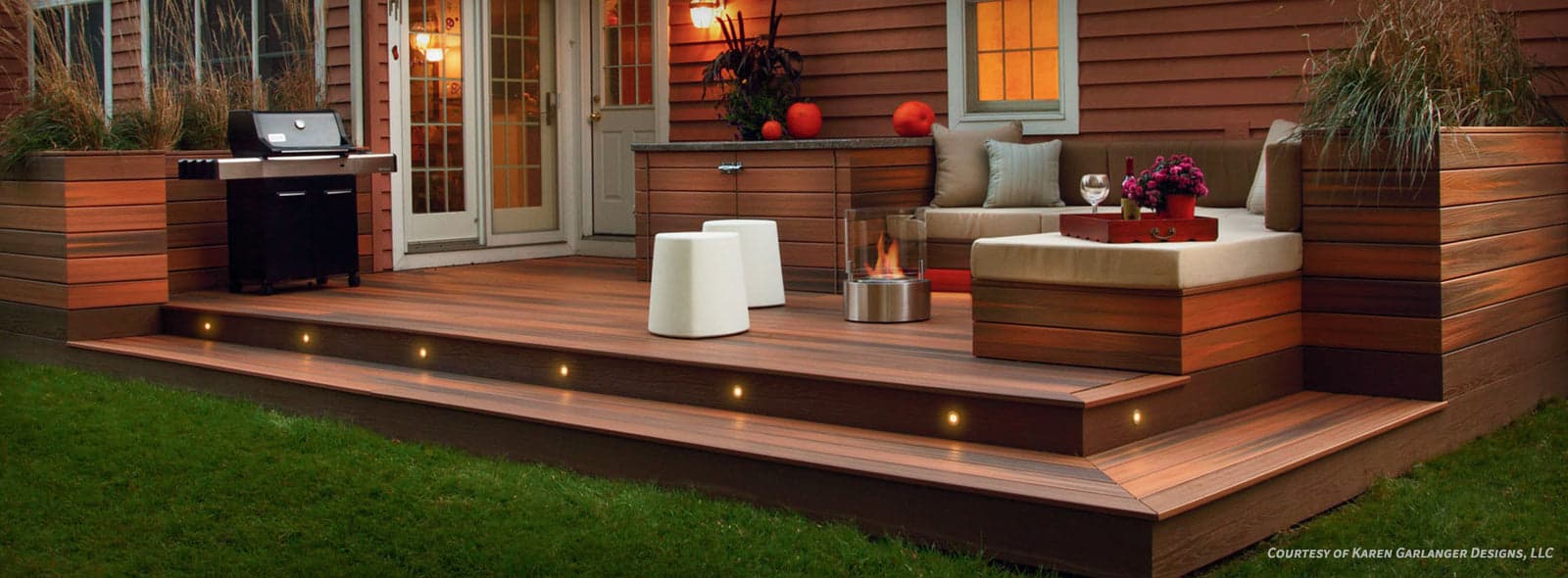
Understanding Fiberon Decking Board Lengths
Fiberon composite decking is typically available in standard lengths of 12, 16, and 20 feet. These lengths are designed to accommodate a range of deck sizes and layouts, offering flexibility for various project dimensions. Knowing these available lengths is the first step in planning your deck board layout.
Choosing the most appropriate length for each section of your deck can help reduce the number of seams and minimize material waste. For instance, a 16-foot-long deck section might be best served by 16-foot boards to avoid a seam, whereas a 22-foot section would require a combination of lengths and a planned seam.
Planning Your Deck Board Layout
A detailed layout plan involves mapping out where each board will be placed and identifying any areas where boards will need to be cut or joined. Start by drawing a scaled diagram of your deck, including all dimensions, obstructions, and the direction you intend to lay the decking.
Consider the primary visible areas of your deck. For these prominent sections, aim to use the longest possible boards to create a continuous, uninterrupted look. Shorter boards and seams can be strategically placed in less conspicuous areas, such as under railings or furniture.
Strategizing Seam Placement
While minimizing seams is often a goal, they are sometimes unavoidable on larger decks. When seams are necessary, their placement should be deliberate. Avoid placing seams in high-traffic areas where they might be more noticeable or create an uneven feel. Instead, consider staggering seams across different rows of boards.
Staggering seams, similar to how hardwood flooring is installed, can distribute their visual impact and create a more cohesive appearance. This is crucial for stability and proper drainage.
Worked Example: A 14x24-Foot Deck Layout
Let's consider a hypothetical deck measuring 14 feet by 24 feet. For this example, we'll assume the boards will run along the 24-foot dimension. Fiberon offers 12, 16, and 20-foot board lengths. Since no single board can cover 24 feet, seams will be necessary.
Option 1: Using 12-foot boards. This would require two 12-foot boards per row, resulting in a seam exactly at the midpoint of the 24-foot run. For a 14-foot width, you would need 14 feet / 5.5 inches (board width) = approximately 30.5 boards. Round up to 31 boards per 12-foot section, meaning 62 boards total. This creates a distinct seam line across the entire deck's width.
Option 2: Using a combination of 12-foot and 16-foot boards. To avoid a straight seam line, you could stagger the boards. For example, one row might use a 12-foot board followed by a 12-foot board (seam at 12 feet). The next row could use a 16-foot board followed by an 8-foot cut from a 12-foot board (seam at 16 feet). This staggering helps to break up the visual continuity of the seams.
Option 3: Using 20-foot boards. For a 24-foot run, a 20-foot board would be used, leaving a 4-foot section to be covered. This 4-foot section would need to be cut from another board. To minimize waste, the remaining portion of that second board could be used elsewhere on the deck or for another 4-foot section. For a 14-foot width, this would require approximately 31 boards. Each row would need one 20-foot board and one 4-foot section, which could be cut from a 12-foot board, leaving an 8-foot reusable offcut. This approach generates fewer seams overall than using only 12-foot boards.
The most efficient and aesthetically pleasing option often involves a mix of available lengths and careful staggering to avoid repetitive seam patterns. Always consider the joist layout for proper support at each butt joint.
Minimizing Waste and Optimizing Your Order
After finalizing your layout plan, create a detailed cut list. This list should specify the length of each board needed and where cuts will be made. By optimizing cuts, you can often use offcuts from longer boards for shorter sections, thereby reducing overall material waste.
When ordering, aim to purchase board lengths that most closely match your longest runs. For shorter sections or infills, consider how offcuts from longer boards can be utilized. This strategic ordering can lead to cost savings and a more sustainable project. Remember that board profiles, such as grooved-edge for hidden fasteners or square-edge for picture framing, are also available in these lengths and should be specified in your order.
For complex layouts or large projects, it can be beneficial to consult with a decking professional to refine your cut list and ensure the most efficient use of materials.
Considering Related Products for a Complete System
Fiberon provides a complete decking system, including matching fascia and riser boards. These components are also available in specific lengths, which should be coordinated with your main decking board order to ensure a consistent aesthetic and efficient installation.
For proper installation, consider compatible hidden fasteners for grooved-edge boards or appropriate face screws for square-edge profiles. Planning these elements together ensures a cohesive and well-supported deck structure. You can explore more options at our main decking page: [Decking](/decking).
For additional inspiration and material considerations, review our hardwood decking options like [Ipe](/decking/hardwood/ipe) or other [composite decking](/decking/composite) and [PVC decking](/decking/pvc) alternatives.
Before you order
- Draw a scaled diagram of your deck with all dimensions.
- Determine the primary direction for laying your Fiberon deck boards.
- Identify the longest continuous runs where you want to avoid seams.
- List available Fiberon board lengths (12, 16, 20 feet).
- Plan where butt joints (seams) will occur for runs longer than 20 feet.
- Stagger seams across different rows to avoid a single, noticeable seam line.
- Ensure all butt joints will be supported by a joist or blocking.
- Create a detailed cut list, accounting for offcuts that can be reused.
- Estimate the quantity of each board length needed for grooved and square edge profiles.
- Consider matching fascia and riser board lengths for your order.
Confirm installation details, approved uses and warranty terms in the current instructions for the exact product and profile. Your installer should verify the substrate, structure and applicable project requirements.
Questions to help you decide
What are the standard lengths for Fiberon decking boards?
Fiberon composite decking boards are typically available in 12-foot, 16-foot, and 20-foot lengths. These options allow for flexibility in designing various deck sizes and layouts.
How do I minimize seams on a long deck?
To minimize seams, choose the longest available board length that fits your deck section. For sections longer than 20 feet, you will need to use multiple boards. Strategically stagger these seams across different rows of decking rather than lining them up, which creates a more visually appealing and less noticeable transition.
Do I need to support seams between Fiberon deck boards?
This ensures the stability and longevity of the deck and helps prevent issues like board deflection or unevenness at the joint.
Ready to Plan Your Fiberon Decking Project?
Request a material quote today. Provide your project dimensions, desired Fiberon profile (e.g., Concordia, Sanctuary, Good Life), and your ZIP code to confirm current availability and service options. Our team can help you optimize your board length selection.
Request a material quote →