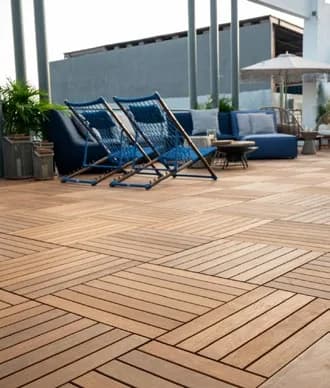
Planning for Snow Removal on Deck Tiles
One of the primary concerns for deck tiles in winter is snow accumulation. While deck tiles are designed for outdoor use, the method of snow removal can impact their surface and structure. Consider the type of snow removal tools you plan to use.
Plastic snow shovels are generally recommended over metal ones to avoid scratching or damaging the surface of hardwood deck tiles like Ipe, Garapa, or Cumaru. When shoveling, try to lift the snow rather than dragging the shovel across the tile surface. For heavier snowfalls, a snow blower can be an option, but ensure it has a plastic or rubber auger and adjustable height settings to avoid direct contact with the tiles.
For projects where snow is a regular occurrence, consider the layout of your deck tiles. Larger 24 x 24 tiles present fewer seams where ice can form compared to 12 x 12 tiles, which might simplify removal slightly, though both require careful handling. Always clear snow in a way that directs it away from the deck tile area and away from building foundations or sensitive landscaping.
Deicers and Deck Tiles: What to Verify
While deicers can be effective for melting ice, their compatibility with deck tile materials, especially hardwoods, requires careful consideration. Many commercial deicers contain salts or chemicals that can potentially stain or corrode wood surfaces over time. Before applying any deicer, it is crucial to verify its suitability.
Always check the deicer product's label for explicit instructions or warnings regarding use on wood or composite decking. Some deicers are marketed as "pet-safe" or "plant-safe," which may also indicate a milder chemical composition, but this does not automatically mean they are safe for all deck tile materials. A small, inconspicuous test area is advisable if you are unsure.
If you opt to use a deicer, apply it sparingly and ensure thorough rinsing once the ice has melted and temperatures permit. Residual deicer can continue to affect the material. For hardwood deck tiles such as Ipe, Garapa, or Cumaru, water and mechanical removal are often the preferred methods for ice management to minimize chemical exposure.
Ensuring Proper Drainage Beneath Deck Tiles
Effective drainage is critical for deck tiles year-round, but it becomes especially important in winter. Accumulated melted snow or ice that cannot drain properly can freeze, leading to ice dams or water penetration issues, particularly on rooftop terraces or balconies with underlying membranes. This can also lead to standing water, which can potentially impact the long-term performance of the deck tiles.
Before winter sets in, inspect the drainage system beneath your deck tiles. Clear any debris from drains, gutters, and scuppers that might impede water flow. If your deck tiles are installed on a pedestal system, ensure that the gaps between tiles remain clear to allow water to pass through freely to the underlying membrane and drainage points. For installations directly on a concrete slab, verify that the slab’s slope is effective in directing water away.
Consider the potential for ice to block drainage paths. Regular checks during periods of freeze and thaw can help identify and address any blockages promptly. Proper drainage helps prevent water from pooling and freezing on the tile surface or underneath, reducing the risk of damage.
A Hypothetical Winter Care Scenario: Rooftop Terrace
The terrace experiences moderate snowfall and occasional freezing rain.
**Pre-Winter Preparation:** In late autumn, the terrace owner clears leaves and debris from between the tile gaps and ensures the rooftop drains are free of obstructions. They also confirm the pedestal system maintains the necessary clearance for water to flow freely beneath the tiles to the drains.
**Snowfall Management:** When a 6-inch snowfall occurs, the owner uses a plastic snow shovel to gently push the snow off the terrace, working from the center outwards. They avoid scraping the shovel across the Ipe surface to prevent scratches. For light, powdery snow, a broom is sometimes used. They specifically avoid using a metal shovel or a snow blower with metal components.
**Ice Management:** During a freezing rain event, a thin layer of ice forms. The owner decides against using a chemical deicer to protect the Ipe hardwood. Instead, they wait for a slight temperature increase or sunlight to naturally melt the ice. If immediate access is critical, they might carefully chip away at thicker ice patches with a plastic tool, ensuring not to strike the tile surface directly. They prioritize ensuring water from melting ice can flow into the clear drains. If ice dams form along the edges, they are carefully broken up to restore drainage, verifying that this action does not damage the underlying membrane.
Other Winter Considerations for Deck Tiles
Beyond snow and ice removal, there are other aspects of winter care for deck tiles. If your deck tiles are part of a seasonal outdoor space, consider whether furniture or planters should be stored indoors or covered to protect them from harsh winter elements.
While hardwood deck tiles like Ipe, Garapa, and Cumaru are naturally durable and designed to withstand outdoor conditions, prolonged exposure to standing water or extreme freeze-thaw cycles can still impact them. Ensuring good ventilation and drainage helps mitigate these risks. If your deck tiles are sealed or finished, check the manufacturer's recommendations for winter protection or reapplication schedules.
Finally, remember that winter conditions can sometimes expose underlying issues, such as poor drainage or an uneven sub-surface, that might not be apparent in warmer months. Addressing these proactively can prevent more significant problems down the line.
Before you order
- Will you use plastic or metal tools for snow removal? (Plastic recommended)
- Have you checked deicer product labels for wood compatibility? (Verify before use)
- Are all drains and scuppers clear of debris for proper water flow?
- Does the underlying surface (membrane, concrete) have adequate slope for drainage?
- Will outdoor furniture and planters be stored or covered during winter?
- Have you inspected tile gaps for obstructions that could impede drainage?
- Is there a plan for managing ice accumulation without damaging the tiles?
- Do you have a small, inconspicuous area to test any new deicing product?
- Are you aware of the specific maintenance needs for your chosen deck tile species (Ipe, Garapa, Cumaru)?
- Have you considered the impact of freeze-thaw cycles on your deck tile installation?
Confirm installation details, approved uses and warranty terms in the current instructions for the exact product and profile. Your installer should verify the substrate, structure and applicable project requirements.
Questions to help you decide
Can I use rock salt on my deck tiles in winter?
Using rock salt or most chemical deicers on deck tiles, especially hardwood varieties like Ipe, Garapa, or Cumaru, is generally not recommended. These products can potentially stain, corrode, or dry out the wood over time. Always check the deicer's label for wood compatibility and consider alternative methods like plastic shovels or natural melting. If you must use a deicer, choose one specifically labeled safe for wood decking and rinse the area thoroughly afterward.
How do I prevent ice from forming on my deck tiles?
Preventing ice formation entirely can be challenging, but you can minimize it. Ensure excellent drainage beneath your deck tiles by keeping gaps clear and verifying that the underlying surface slopes correctly. Promptly remove snow before it has a chance to melt and refreeze. For severe conditions, non-chemical options like sand (ensure it's not abrasive) or careful mechanical removal with plastic tools are generally safer than harsh deicers.
Do I need to seal my deck tiles before winter?
Whether you need to seal your deck tiles before winter depends on the material and your desired aesthetic. Hardwood deck tiles like Ipe, Garapa, and Cumaru are naturally dense and resistant to moisture. While a sealer or oil can help maintain their original color and offer some additional protection, it's not strictly necessary for their structural integrity over winter. If you do apply a finish, ensure it's compatible with your specific deck tile species and follow the manufacturer's application guidelines. Always confirm if your specific product requires or benefits from pre-winter sealing.
Plan Your Winter-Ready Deck Tile Project
Are you planning a new deck tile installation or preparing your existing terrace for winter? Request a material quote today with your project dimensions, desired profile (e.g., Ipe 24x24 deck tiles), and ZIP code. We can help you confirm current availability and service options for your project. Explore our range of deck tiles, including durable Ipe, warm Garapa, and rich Cumaru, to find the right fit for your outdoor space: [Deck Tiles](/deck-tiles), [Ipe Deck Tiles](/deck-tiles/ipe), [Garapa Deck Tiles](/deck-tiles/garapa), [Cumaru Deck Tiles](/deck-tiles/cumaru).
Request a material quote →