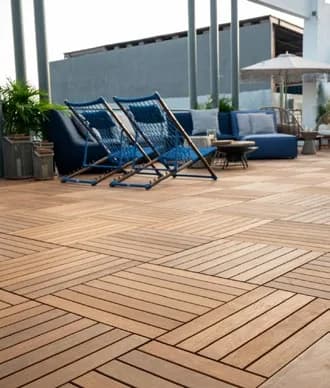
The Impact of Shade on Deck Tile Drying
Shaded areas, by definition, receive less direct sunlight. This reduced exposure can significantly slow down the drying process for any outdoor surface, including deck tiles. Prolonged moisture retention can potentially lead to issues such as mildew, algae growth, or a duller appearance, particularly on certain wood species if not properly managed. Understanding this environmental factor upfront is crucial for selecting appropriate materials and planning an effective maintenance routine.
Consider the specific type of shade your project experiences: is it consistent all day, or does the area receive morning or afternoon sun? Is the shade from a permanent structure like an overhang or a neighboring building, or from seasonal foliage? These details will inform your material and installation choices.
Material Selection for Shaded Conditions
The species of wood chosen for your deck tiles can play a role in how it performs in shaded, slower-drying environments. Tropical hardwoods like Ipe, Garapa, and Cumaru are recognized for their natural density and resistance to moisture absorption, which can be beneficial in these conditions.
Ipe deck tiles, with their deep chocolate tones, offer exceptional hardness. Garapa deck tiles provide warm golden tones. Cumaru deck tiles feature a rich reddish-brown grain. Each of these species offers strength and character, which can contribute to their resilience in areas with less direct sunlight.
Available in both 12 x 12 inch and 24 x 24 inch formats, these deck tiles allow for various layout patterns. The 12 x 12 inch format is a compact square, suitable for smaller areas or designs with more intricate edges, while the 24 x 24 inch tile offers a larger format for more open surfaces with fewer seams.
Assembly and Ventilation: A Critical Pairing
The way deck tiles are installed significantly influences air circulation and drainage, which are vital for drying in shaded areas. Proper ventilation beneath the tiles helps prevent moisture from becoming trapped, reducing the risk of mildew or staining.
Many deck tile systems are designed with a grid or pedestal base that elevates the wood slats slightly above the sub-surface. This elevation creates a crucial air gap, allowing air to flow freely and water to drain away. When planning for a shaded space, prioritize systems that offer ample clearance and ensure that the sub-surface itself has a slight slope for positive drainage. Avoid direct-to-surface installations without any air gap, as these can trap moisture and accelerate issues in shaded, damp conditions.
For example, a typical pedestal system might lift the tiles by an inch or more, providing a continuous void for air movement. Ensure that the edges of your installation also allow for air entry and exit, rather than creating a sealed perimeter.
Routine Cleaning and Maintenance for Shaded Deck Tiles
Even with optimal material selection and installation, shaded deck tiles will benefit from a consistent cleaning regimen. The goal is to remove organic debris (leaves, dirt, pollen) that can hold moisture and encourage growth of mildew or algae.
Regular sweeping or blowing to remove loose debris is a good starting point. For a deeper clean, use a broom or soft brush with a mild, pH-neutral cleaning solution and water. Avoid harsh chemicals or high-pressure washers, which can damage the wood or its finish. Always rinse thoroughly with clean water to remove all cleaning residues.
After cleaning, allow the tiles to air dry completely. In shaded areas, this might take longer. If possible, choose a day with low humidity and some air movement to facilitate drying. For persistent dampness, consider using a leaf blower on a low setting to help accelerate the drying process after cleaning, focusing on the gaps between slats.
Periodically inspect the underside of the tiles and the sub-surface for any signs of trapped moisture or growth. If your system allows, temporarily lifting a tile or two can help assess the conditions beneath.
Worked Example: A Shaded Balcony with Ipe Deck Tiles
Consider a 10-foot by 6-foot balcony that is largely shaded throughout the day by an adjacent building. The client desires a durable, low-maintenance surface. Given the shade, Ipe deck tiles are selected for their density and rich appearance. The balcony surface is a concrete slab with a slight slope for drainage.
The project uses 24 x 24 inch Ipe deck tiles (4 square feet per tile). The total area is 60 square feet. To calculate the number of tiles, 60 sq ft / 4 sq ft/tile = 15 tiles. However, it's prudent to order a few extra for cuts and potential future replacement, perhaps 17-18 tiles.
This elevation ensures excellent airflow beneath the tiles, crucial for drying in the shaded environment. The pedestal system also allows for easy access to the concrete slab below for inspection or cleaning.
Maintenance will involve weekly sweeping to remove leaves and debris, and a monthly wash with a mild soap solution, followed by a thorough rinse. The client is advised to use a leaf blower on a low setting after washing to accelerate drying, especially in cooler, humid months. The design also includes small gaps at the perimeter of the installation to allow for continuous air circulation.
Before you order
- Assess the amount and duration of shade your outdoor space receives.
- Evaluate the existing sub-surface for proper drainage and slope.
- Select a deck tile material known for density and moisture resistance, such as Ipe, Garapa, or Cumaru.
- Choose an installation system (e.g., pedestal) that provides adequate ventilation and drainage beneath the tiles.
- Plan for perimeter gaps or other features that allow for continuous airflow.
- Establish a routine cleaning schedule, including sweeping and washing with mild solutions.
- Consider tools like leaf blowers to assist with drying after cleaning in shaded conditions.
- Periodically inspect the underside of tiles and the sub-surface for moisture buildup or organic growth.
Confirm installation details, approved uses and warranty terms in the current instructions for the exact product and profile. Your installer should verify the substrate, structure and applicable project requirements.
Questions to help you decide
Can I use any deck tile in a shaded area?
While many deck tiles can be used, those made from dense hardwoods like Ipe, Garapa, or Cumaru are often preferred for their natural resistance to moisture. The key is combining the right material with an installation system that promotes ventilation and drainage.
How important is ventilation under the deck tiles in a shaded area?
Ventilation is extremely important. In shaded areas, slower drying can lead to moisture buildup. An elevated installation, such as with a pedestal system, creates an air gap that allows air to circulate and moisture to evaporate, significantly reducing the risk of mildew and prolonging the life of your deck tiles.
What kind of cleaning products should I use for shaded deck tiles?
Use mild, pH-neutral cleaning solutions mixed with water. Avoid harsh chemicals, bleach, or abrasive cleaners, as these can damage the wood or its finish. A soft brush or broom is generally sufficient for scrubbing, followed by a thorough rinse with clean water.
Request a Quote for Your Deck Tile Project
Ready to transform your shaded outdoor space? Provide your project dimensions, desired deck tile profile, and ZIP code to request a material quote. We can also confirm current availability and service options for your area.
Request a material quote →