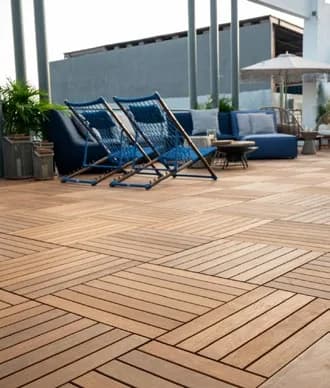
Understanding the Roof Membrane's Role
The roof membrane is the primary waterproofing layer of your roof. It's designed to shed water and protect the building structure from moisture intrusion. When you add deck tiles, you are placing a new layer directly or indirectly on top of this critical system. Any material, weight, or installation method that compromises the membrane's integrity can lead to leaks and extensive damage.
Roof membranes come in various materials, each with specific properties regarding durability, puncture resistance, chemical compatibility, and temperature tolerance. Common types include EPDM, TPO, PVC, modified bitumen, and liquid-applied membranes. Your project's existing or planned membrane type is the starting point for all subsequent inquiries.
Questions for Your Roof Membrane Supplier or Installer
Before selecting deck tiles, consult with the manufacturer or installer of your roof membrane. Their insights are invaluable for ensuring the proposed deck tile system is compatible and will not void any warranties.
Key questions include: What is the specific material of the roof membrane? What are its load-bearing capabilities? Are there any restrictions on placing materials directly on its surface? What is the recommended method for protecting the membrane from abrasion or point loads? Are there any chemicals or materials in deck tile systems (e.g., certain plastics in pedestals or fasteners, wood preservatives) that could react negatively with the membrane? What are the warranty conditions regarding overlays or penetrations? How should drainage be maintained beneath the deck tile system?
Questions for Your Deck Tile Supplier
Once you have information about your roof membrane, you can approach your deck tile supplier with informed questions. Deck tiles are available in various species, such as Ipe, Garapa, and Cumaru, and sizes like 12 x 12 inches or 24 x 24 inches. The choice of material and assembly method will influence its interaction with the roof membrane.
Consider asking: What is the total weight per square foot of the deck tile system, including pedestals or supports? What materials are used in the deck tile backing or support system, and are they compatible with common roof membrane types? Are there specific recommendations for membrane protection layers (e.g., geotextile fabric, rubber pads) when using these deck tiles? How does the system ensure adequate drainage and airflow beneath the tiles to prevent moisture buildup on the membrane? What are the requirements for edge clearances and access to roof drains or other roof features?
Worked Example: Planning for a 100 sq ft Terrace
Imagine you are planning a 10-foot by 10-foot rooftop terrace, totaling 100 square feet, using 24 x 24 inch Ipe deck tiles. Your existing roof has a TPO membrane. Here's how the questions might play out:
First, consult the TPO membrane manufacturer. They confirm the membrane can support the anticipated load and advise against direct contact with certain rubber products but recommend a specific non-woven geotextile fabric as a protective layer. They also emphasize maintaining a clear drainage path to scuppers.
Next, you consult the deck tile supplier for 24 x 24 Ipe deck tiles. Each tile covers 4 square feet. For a 100 square foot area, you would need 25 tiles (100 sq ft / 4 sq ft per tile). The supplier states their standard pedestal system uses polypropylene supports. They confirm the system allows for good airflow and drainage. They also recommend incorporating the geotextile fabric, as suggested by the membrane manufacturer, beneath each pedestal base to prevent abrasion and ensure compatibility.
This exchange ensures that the chosen Ipe deck tiles and their support system are compatible with the TPO membrane, preventing potential damage and preserving the roof's waterproofing integrity. You would factor in the cost and installation of the geotextile fabric into your project plan. You would also plan for access to any drains.
Lumber Plus offers Ipe deck tiles in 12 x 12 and 24 x 24 inch formats. Explore options at:
Ipe Deck Tiles: /deck-tiles/ipe
Garapa Deck Tiles: /deck-tiles/garapa
Cumaru Deck Tiles: /deck-tiles/cumaru
Protecting the Membrane and Ensuring Drainage
The primary concerns when installing deck tiles over a roof membrane are preventing puncture or abrasion and ensuring effective water drainage. Many deck tile systems utilize pedestals or risers to elevate the tiles, creating a cavity for water to flow freely to drains and for air to circulate.
A protective layer, such as a geotextile fabric or a membrane-compatible protection board, is often recommended between the deck tile support system and the roof membrane. This layer acts as a buffer against abrasion and can help distribute loads. Always confirm the specific requirements with both your membrane and deck tile suppliers, as an incompatible protection layer could introduce new problems.
Maintenance and Access Considerations
Beyond initial installation, consider the long-term maintenance of both your deck tiles and the underlying roof membrane. A well-designed system allows for periodic inspection of the membrane and easy access for repairs if needed. Removable deck tile systems are often preferred for this reason.
Ensure that the deck tile layout does not obstruct access to roof drains, scuppers, or other essential roof components. Plan for periodic cleaning of the space beneath the tiles to prevent debris accumulation that could impede drainage or foster unwanted growth.
Before you order
- Identify the exact type of your roof membrane (e.g., EPDM, TPO, PVC).
- Contact your roof membrane manufacturer or installer for their recommendations and warranty conditions regarding overlays.
- Determine the allowable load-bearing capacity of your roof structure and membrane.
- Select your preferred deck tile material and size (e.g., Ipe 24x24, Garapa 12x12).
- Confirm the total weight of the chosen deck tile system (tiles + supports) per square foot.
- Ask your deck tile supplier about the materials used in their support system and their compatibility with your roof membrane type.
- Inquire about recommended protective layers (e.g., geotextile, rubber pads) from both suppliers.
- Verify that the deck tile system allows for adequate drainage and airflow beneath the tiles.
- Plan for easy access to roof drains and other maintenance points.
- Confirm that the proposed system will not void your roof membrane warranty.
Confirm installation details, approved uses and warranty terms in the current instructions for the exact product and profile. Your installer should verify the substrate, structure and applicable project requirements.
Questions to help you decide
Can I install deck tiles directly on my roof membrane?
Direct installation is generally not recommended without proper protection. Most roof membranes require a protective layer or a pedestal system to prevent abrasion, puncture, and to ensure proper drainage and airflow. Always consult both your roof membrane manufacturer and deck tile supplier for specific requirements.
What kind of protection do roof membranes need under deck tiles?
Protection typically involves a compatible geotextile fabric, rubber pads, or a protection board placed between the deck tile support system (such as pedestals) and the roof membrane. The specific material and thickness will depend on the membrane type and the deck tile system. Always verify the recommended protection with both suppliers.
How do I ensure proper drainage beneath deck tiles on a roof?
Most deck tile systems designed for rooftop applications use pedestals or risers to elevate the tiles. This creates a clear space for water to flow freely across the membrane to drains or scuppers. It's crucial to maintain a clear path and prevent debris accumulation. Ensure the pedestal height is sufficient to accommodate the roof's slope and drainage requirements.
Ready to Plan Your Rooftop Terrace?
Request a material quote with your project dimensions, exact deck tile profile, and ZIP code to confirm current availability and service options for your project.
Request a material quote →