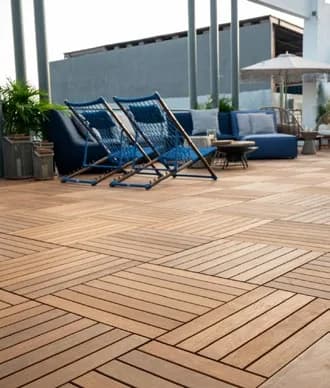
Understanding Deck Tile Material Options for Durability
The choice of deck tile material is foundational when pets and furniture are part of the equation. Hardwood deck tiles offer a range of densities and appearances. Ipe, for instance, is known for its deep chocolate tones and exceptional hardness. Cumaru presents a rich reddish-brown grain with significant strength, while Garapa offers warmer golden tones. Each species has distinct characteristics that influence its performance under specific conditions.
Consider the Janka hardness rating as an indicator of a wood's resistance to indentation and wear. While no material is entirely scratch-proof, higher Janka ratings generally suggest greater resilience against the impacts of pet claws and furniture movement. However, even the hardest woods can show wear over time, especially in high-traffic areas or where heavy furniture is frequently dragged.
Cleaning and Maintenance for Pet-Friendly Spaces
For areas shared with pets, ease of cleaning is a practical concern. Deck tiles should allow for straightforward cleanup of pet hair, paw prints, and occasional accidents. Smooth, dense surfaces tend to be easier to wipe down than highly textured ones where debris can accumulate. Regular sweeping or blowing can help manage loose pet hair and leaves.
For deeper cleaning, consult the manufacturer's recommendations for your specific deck tile material. Generally, a mild soap and water solution with a soft brush or mop can address most common outdoor stains. Promptly addressing pet waste is important to prevent staining and maintain hygiene. Consider the spacing between deck tile slats; wider gaps might allow small debris to fall through, but very narrow gaps could trap dirt.
Protecting Deck Tiles from Furniture Wear
Outdoor furniture, especially items with narrow legs or heavy bases, can exert significant pressure on deck tiles. To minimize potential indentations or scratches, consider using furniture pads or glides. These can be applied to the feet of chairs, tables, and lounge pieces, distributing the weight more evenly and reducing direct contact with the tile surface.
For heavier items like large planters or fire pits, consider placing them on risers or dedicated outdoor mats that provide a buffer. Regularly inspect furniture feet for wear or sharp edges that could damage the tiles. Repositioning furniture periodically can also help distribute wear patterns across the surface.
Planning Layouts for Pet Movement and Furniture Zones
When planning your deck tile layout, consider how pets will move across the space and where furniture will be placed. High-traffic paths, such as routes to a pet door or a favorite sunbathing spot, might experience more wear. Similarly, areas under dining tables or seating arrangements will likely see more concentrated use.
For example, a 24 x 24 inch deck tile can create a more expansive, seamless look for larger open areas where furniture might be grouped. A 12 x 12 inch tile can be useful for smaller balconies or areas with more intricate edges and transitions, potentially allowing for more flexibility in cutting around obstacles like fixed planters or pet water bowls. A thoughtful layout can help manage these zones of activity.
Consider an 8-foot by 10-foot patio for a pet-friendly dining area. Using 24 x 24 inch deck tiles, the area is 80 square feet. This requires a minimum of 20 tiles (80 sq ft / 4 sq ft per tile). However, if the tiles are laid in a grid, you would need 4 tiles along the 8-foot side (8 ft / 2 ft = 4 tiles) and 5 tiles along the 10-foot side (10 ft / 2 ft = 5 tiles), totaling 4 x 5 = 20 tiles. This specific layout avoids cuts along the perimeter if the dimensions align perfectly. If the dimensions were, for example, 9 feet by 11 feet, then cuts would be necessary, and you would need to account for full tiles to cover the area, potentially requiring more than the exact square footage equivalent.
Considering Pet Comfort and Safety
The surface temperature of deck tiles can vary depending on material, color, and sun exposure. Darker materials may absorb more heat, potentially becoming uncomfortable for pets' paws on hot days. Provide shaded areas or access to cooler surfaces for pets to rest.
Ensure that the deck tile assembly is stable and secure, with no loose edges or gaps that could trap paws or create tripping hazards. If using a pedestal system, confirm that the system is properly installed and provides a firm, level surface. Also, ensure any cleaning products used are safe for pets and do not leave harmful residues.
Before you order
- Identify the primary activities for your outdoor space (e.g., dining, lounging, pet play).
- Assess the expected traffic from pets and frequency of furniture movement.
- Review Janka hardness ratings for hardwood deck tile options like Ipe, Garapa, and Cumaru.
- Consider the ease of cleaning for each material, especially for pet messes.
- Plan for furniture protection (pads, glides) to minimize surface wear.
- Determine the optimal deck tile size (12x12 or 24x24) for your project dimensions and desired aesthetic.
- Ensure adequate shade or alternative cool surfaces for pets during hot weather.
- Verify the stability and safety of the deck tile installation for both pets and people.
Confirm installation details, approved uses and warranty terms in the current instructions for the exact product and profile. Your installer should verify the substrate, structure and applicable project requirements.
Questions to help you decide
Which deck tile material is best for resisting pet scratches?
Regular maintenance and proper cleaning can also help preserve the appearance of any deck tile surface.
How can I protect my deck tiles from heavy outdoor furniture?
To protect deck tiles from heavy outdoor furniture, use furniture pads or glides on all furniture legs. These accessories help to distribute weight more evenly and reduce direct pressure on the tile surface. For very heavy items like large planters, consider placing them on risers or dedicated protective mats.
Are deck tiles safe for pets to walk on?
Deck tiles can be safe for pets, but consider a few factors. Ensure the surface is stable and level, without gaps that could trap paws. On hot days, darker materials can absorb heat, potentially making the surface uncomfortable for pets; provide shaded areas or access to cooler surfaces. Always use pet-safe cleaning products.
Plan Your Pet and Furniture-Friendly Deck Tile Project
Ready to select the ideal deck tiles for your outdoor space? Request a material quote today. Provide your project dimensions, desired deck tile profile (e.g., Ipe 24x24), and ZIP code to confirm current availability and service options.
Request a material quote →