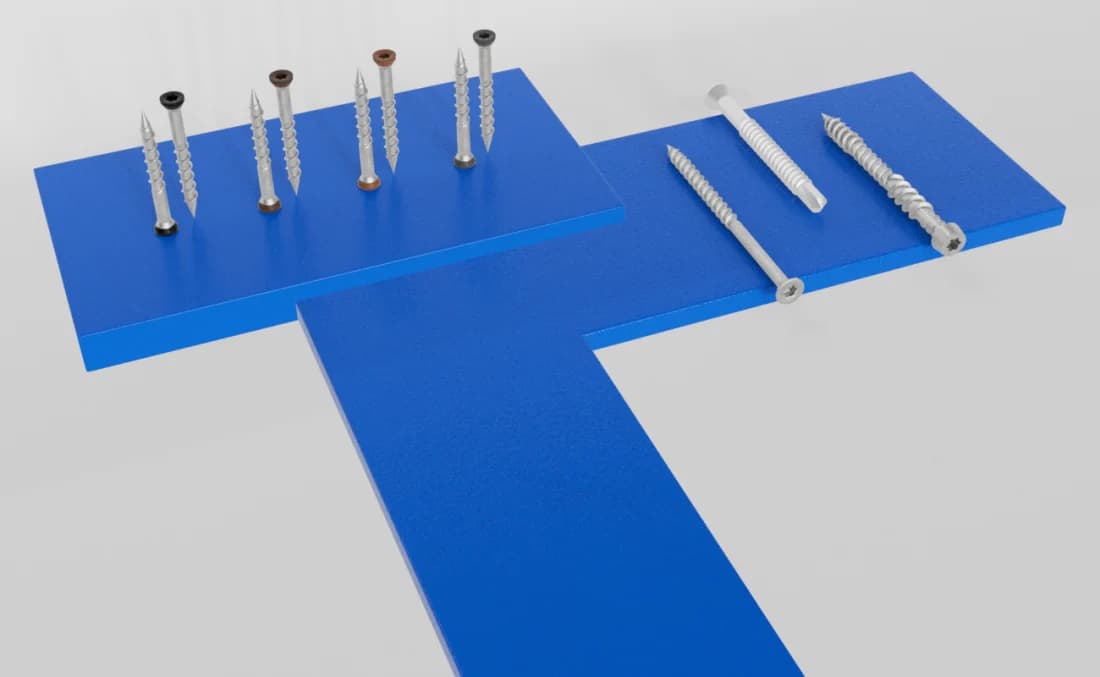
Understanding Treated Lumber and its Impact on Hardware
Pressure-treated lumber is wood infused with chemical preservatives to resist rot, fungal decay, and insect infestation. Historically, chromated copper arsenate (CCA) was a common treatment. However, modern residential treated lumber typically uses alkaline copper quaternary (ACQ), copper azole (CA), or micronized copper azole (MCA) formulations.
These copper-based treatments, while effective at protecting wood, can be corrosive to certain metals, especially uncoated steel or standard galvanized fasteners. The copper ions in the wood create a galvanic reaction when in contact with less noble metals, accelerating corrosion. This reaction is intensified in wet or humid conditions, which are common for outdoor deck structures.
Identifying Compatible Fasteners and Connectors
When working with treated lumber, it is essential to select hardware specifically rated for use with these modern treatment chemistries. The most common compatible materials include:
Hot-Dip Galvanized (HDG) Fasteners: These fasteners are coated with a thick layer of zinc, offering good protection against corrosion from treated lumber. Always look for fasteners that meet ASTM A153 specifications for hot-dip galvanizing. Ensure the coating thickness is appropriate for your specific treated wood type and exposure conditions.
Type 316 provides even greater resistance to saltwater corrosion. While a higher initial cost, stainless steel can provide long-term durability.
Specialty Coated Fasteners: Many manufacturers offer screws and connectors with proprietary coatings designed to resist corrosion from treated lumber. These coatings often have a specific rating or approval for use with ACQ, CA, or MCA lumber. Always verify the manufacturer's documentation for compatibility and application-specific guidelines.
Structural connectors and fastening solutions from brands like US4 are designed to meet demanding assembly requirements, often with specific coatings or material compositions for use with treated lumber. Always check product specifications for compatibility.
The Risk of Galvanic Corrosion
Galvanic corrosion occurs when two dissimilar metals are in electrical contact in the presence of an electrolyte, such as moisture. Water absorbed by the wood acts as the electrolyte. The less noble metal (the fastener) will corrode preferentially.
To mitigate this, ensure all metal components in direct contact with treated lumber are compatible. This includes not only screws and nails but also joist hangers, post bases, and other structural connectors. Mixing incompatible metals, even if one is coated, can still lead to localized corrosion if the coating is breached.
Practical Examples and a Hypothetical Scenario
The lumber is treated with a common copper azole (CA) formulation.
This combination ensures that all metal components in contact with the treated framing are resistant to the copper azole chemistry, preventing premature corrosion and ensuring structural integrity.
This careful selection of materials helps avoid issues like staining around fasteners, loosening connections, and potential structural failure over time. The initial investment in appropriate hardware pays dividends in the long-term durability and safety of the deck.
Checking Product Documentation and Labels
Always refer to the manufacturer's product documentation for both the treated lumber and the deck hardware. Lumber tags will specify the treatment type (e.g., ACQ, CA, MCA). Hardware packaging or technical data sheets will indicate compatibility with specific treated lumber chemistries.
Look for explicit statements like 'Approved for use with ACQ, CA, and MCA treated lumber.' If there is any ambiguity, consult the hardware manufacturer or your Lumber Plus representative. Bringing your material choices, application details, and drawings to the local team can help ensure the fastening system is checked as one complete package.
This diligence extends to all accessories, including clips, plugs, spacers, and fascia support systems. Ensure every component that will interact with treated wood is compatible.
Complementary Products for a Complete Deck System
Beyond fasteners and connectors, consider other essential components for your deck project that also need to be compatible with treated lumber or designed for outdoor exposure:
Deck Boards: Whether you choose hardwood, composite, or PVC deck boards, ensure their fastening system integrates correctly with your treated framing and selected hardware. For example, hardwood deck systems often rely on specific fastening and installation options.
Integrated Lighting: If incorporating deck or stair lighting, verify that the housing and wiring components are rated for outdoor use and will not react adversely with treated wood or other deck materials.
Cleaning and Protection: While not directly hardware, selecting compatible cleaning, protection, and color-retention options for your wood products can extend the life of your deck and its components.
Tools and Installation Accessories: Ensure your installation tools, such as drill bits and driver bits, are appropriate for the chosen hardware and materials to prevent damage during installation.
Before you order
- Identify the specific chemical treatment (ACQ, CA, MCA) of your treated lumber.
- Confirm that all structural connectors (joist hangers, post bases) are also compatible with treated lumber.
- Avoid mixing incompatible metals in direct contact with treated wood.
- Review manufacturer documentation for both lumber and hardware for clear compatibility statements.
- Consider the environmental exposure (e.g., coastal, high humidity) to determine if enhanced corrosion resistance (e.g., Type 316 stainless steel) is necessary.
- Plan for proper ventilation and drainage around deck components to minimize moisture exposure and reduce corrosion risk.
- Ensure all accessories (clips, plugs, fascia support) are also compatible with treated lumber and the chosen deck board material.
Confirm installation details, approved uses and warranty terms in the current instructions for the exact product and profile. Your installer should verify the substrate, structure and applicable project requirements.
Questions to help you decide
Can I use standard galvanized screws with treated lumber?
Standard electro-galvanized screws typically have a thin zinc coating that is insufficient to protect against the corrosive effects of modern copper-based treated lumber. They are not recommended for direct contact with ACQ, CA, or MCA treated wood. Always opt for hot-dip galvanized (HDG) fasteners meeting ASTM A153, stainless steel, or specialty-coated screws explicitly rated for treated lumber.
What is the best type of fastener for coastal areas with treated lumber?
Type 316 offers superior corrosion resistance compared to Type 304 stainless steel and hot-dip galvanized options in marine environments. Always verify the specific product's rating for coastal applications.
Do I need special tools for installing compatible deck hardware?
While most compatible deck hardware can be installed with standard construction tools, using the correct bits and drivers is crucial. For example, stainless steel screws can be softer than steel and may require specific driver bits to prevent cam-out. Pre-drilling may also be necessary for certain hardwoods or dense treated lumber to prevent splitting and ensure proper fastener seating. Always follow the hardware manufacturer's installation instructions for tool recommendations.
Request a Material Quote for Your Deck Project
Ready to build a durable deck? Request a material quote for your deck hardware, treated framing, and accessories. Provide your project dimensions, exact profile requirements, and ZIP code to confirm current availability and service options.
Request a material quote →