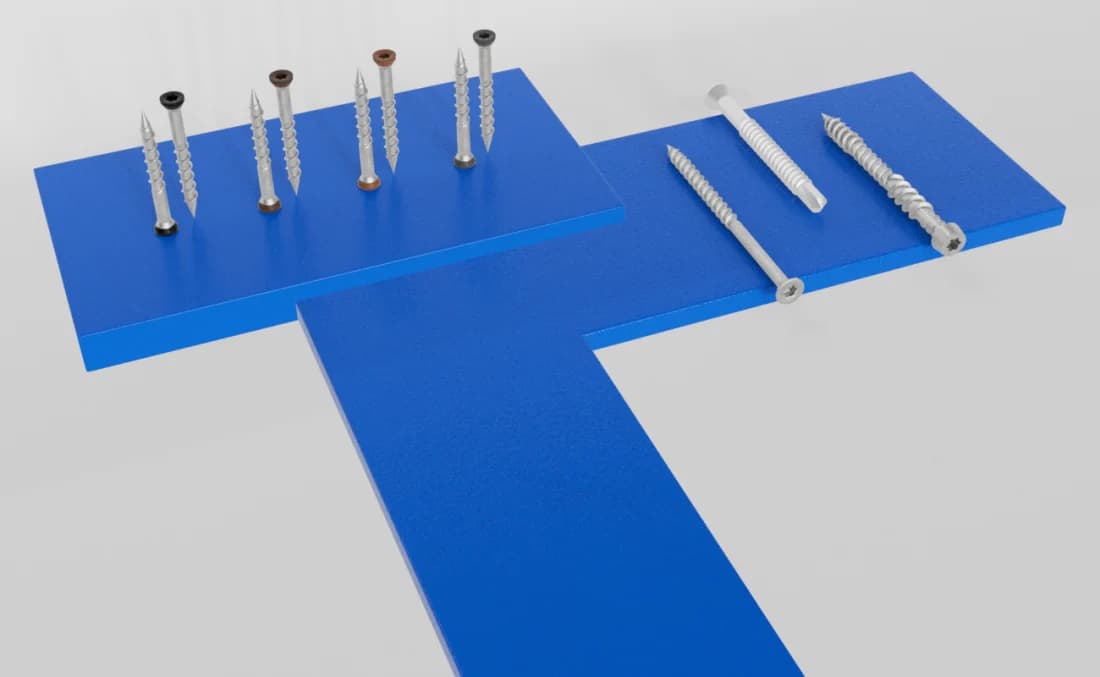
Developing a Deck Hardware Maintenance Plan
The first step in effective deck hardware care is to create a systematic maintenance plan. This isn't just about cleaning the deck surface; it involves a detailed inspection of all visible and accessible hardware, from structural connectors to decorative accents and fastening systems. A well-structured plan helps ensure nothing is overlooked.
Consider the type of deck materials you have, the local climate conditions, and the frequency of deck use. For example, a deck in a coastal area might require more frequent inspection for corrosion compared to one in a drier, inland region. Similarly, a heavily used commercial deck will likely need more rigorous checks than a residential one. Documenting your inspections can help track changes over time and inform future maintenance decisions.
Inspecting Installed Fasteners and Connections
Regular inspection of installed fasteners and structural connections is paramount. This includes all screws, bolts, and clips that secure deck boards, railings, stairs, and other structural elements. Look for signs of loosening, corrosion, or damage. Fasteners should be seated flush with or slightly below the deck surface, depending on the specific installation method (e.g., face-screw systems or hidden clip systems).
For face-screw systems, check that screw heads are not stripped or protruding, which could create trip hazards or allow water ingress. If a screw appears loose, gently tighten it, but avoid overtightening, which can strip the wood or composite material. For hidden clip systems, inspect the edges of boards for any signs of movement or gaps that might indicate a clip has dislodged or failed. Pay close attention to areas around stairs, railings, and deck edges, as these often experience more stress. Any signs of significant corrosion or structural compromise should prompt a professional assessment.
Caring for Deck-Specific Installation Tools
Specialized installation tools, such as driver bits, countersinking tools, and routing accessories, are essential for proper deck construction and repairs. Proper care of these tools ensures their longevity and effectiveness. After each use, clean tools to remove wood dust, composite residue, or any other debris. A stiff brush or compressed air can be effective.
Store tools in a dry environment to prevent rust and corrosion. For metal components, a light coating of machine oil can offer additional protection. Inspect drill bits and router bits for sharpness and damage; dull or damaged bits can lead to poor results and potentially damage the material. Replace worn-out components as needed to maintain precision and safety. This attention to tool care is part of ensuring that your deck fastening systems can be installed cleanly and effectively.
Maintenance for Deck Accessories and Lighting
Deck accessories, including integrated lighting, fascia support, and railing components, also require routine maintenance. For integrated lighting options, regularly clean lenses to remove dirt, leaves, or water spots that can obscure light output. Check electrical connections for any signs of wear or exposure to moisture. Ensure all light fixtures are securely mounted.
Fascia support systems and other non-structural accessories should be checked for secure attachment and any signs of damage. For components made from different materials, such as metal brackets holding composite fascia, verify that there are no signs of galvanic corrosion where dissimilar metals might meet. Regular cleaning with appropriate cleaners for the specific material (wood, composite, metal) can help maintain appearance and prevent buildup.
Worked Example: Annual Deck Hardware Inspection
An annual maintenance plan might look like this:
1. **Visual Walk-Through (Spring):** Begin with a general visual inspection. Look for any obviously loose boards, protruding screw heads, or unusual gaps. Check railing stability by gently pushing on posts and balusters. Inspect the condition of stair treads and risers.
Check each screw for tightness and flush seating. Lightly tighten any loose screws. If a screw head is stripped, consider replacing it with a slightly larger diameter fastener, pre-drilling if necessary.
Look for rust on any metal connectors and ensure all bolts are secure. Check the condition of post bases.
4. **Lighting and Accessory Review (Fall):** Clean all integrated stair lights. Check wires for fraying or damage and ensure waterproof seals are intact. Verify that fascia boards are securely attached and that any decorative post caps or railing components are in good condition. Remove any debris that may have collected around the base of posts or in drainage areas.
5. **Tool Maintenance (Post-Season):** Clean and oil any specialized drivers, drill bits, or countersinking tools used for repairs. Store them in a dry, organized toolbox ready for the next season.
Before you order
- Identify all types of deck hardware and accessories present on your deck.
- Determine the frequency of inspection based on deck usage and environmental exposure.
- Gather necessary cleaning supplies and tools for maintenance (brushes, mild cleaners, oil).
- Plan a systematic inspection route for fasteners, structural connections, and accessories.
- Document findings during inspections to track changes and inform future maintenance.
- Establish a routine for cleaning and storing specialized installation tools.
- Understand when to perform minor repairs versus seeking professional assistance for structural issues.
Confirm installation details, approved uses and warranty terms in the current instructions for the exact product and profile. Your installer should verify the substrate, structure and applicable project requirements.
Questions to help you decide
How often should I inspect my deck hardware?
A thorough inspection of your deck hardware and accessories should ideally be conducted at least once a year, preferably in the spring before heavy use. For decks in harsh climates (e.g., coastal areas with saltwater exposure, or regions with extreme temperature fluctuations) or high-traffic commercial settings, more frequent inspections (e.g., semi-annually) may be beneficial to catch issues early.
What are common signs of deck hardware failure to look for?
Common signs of deck hardware failure include loose or protruding fasteners, visible rust or corrosion on metal components, excessive movement or wobbling in railings or stairs, cracking or splitting around fastener points, and dislodged or broken hidden clips. Any significant gaps between deck boards or structural elements could also indicate a problem.
Can I use any cleaner on my deck hardware?
No, the type of cleaner you use should be compatible with the material of the hardware. For metal fasteners and connectors, a mild soap and water solution is often sufficient, followed by thorough drying. Avoid harsh abrasive cleaners or chemicals that could strip protective coatings or accelerate corrosion. For integrated lighting or plastic components, use cleaners recommended for those specific materials. Always test a cleaner in an inconspicuous area first.
Request a Material Quote for Deck Hardware and Accessories
Planning a new deck or renovating an existing one? Ensure you have the right fastening systems, tools, and accessories. Request a material quote with your project dimensions, exact profile, and ZIP code to confirm current availability and service options. Our team can help specify the connection points for your material system, application, and drawings.
Request a material quote →