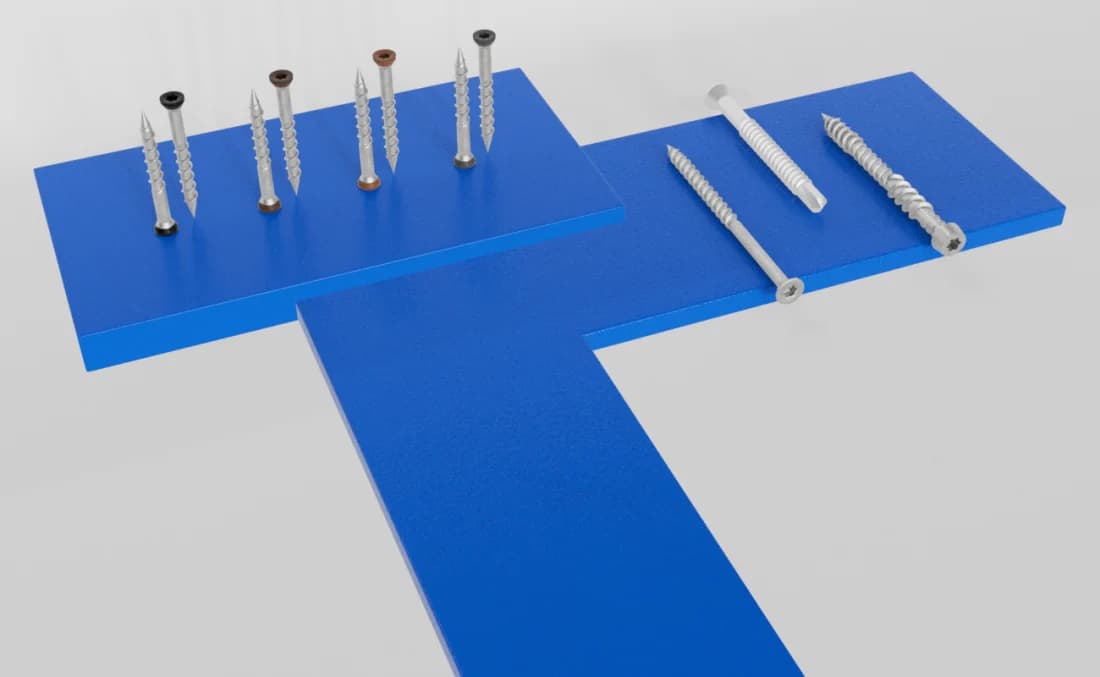
Understanding Your Decking System and Hardware Needs
The type of decking material you select heavily influences the hardware and accessories required. For example, hardwood deck systems often necessitate specific fastening solutions designed for their density and movement characteristics. Similarly, composite and PVC deck boards may utilize hidden clip systems that differ significantly from face-screw applications.
Consider whether your project involves structural connections for demanding assemblies or simpler surface fastening. Your choice between visible fasteners or a clean, finished surface with hidden clips will also dictate the types of screws, clips, spacers, and installation tools you need. It is essential to specify the connection method with the surface early in your planning.
Integrated lighting options for decks, stairs, and rails, as well as fascia support, also represent distinct hardware categories that need to be factored into your budget. Each of these elements adds to the overall complexity and cost of the hardware package.
Material Takeoff: Quantifying Deck Hardware
Accurate material takeoff is the foundation of a reliable budget. Begin by measuring the dimensions of your deck, including any stairs, railings, or specific design features. For deck boards, you'll need to calculate the number of fasteners per board, accounting for joist spacing and board length.
Consider other accessories such as starter and end clips, border fastening components, and fascia support systems. If your design includes integrated lighting, count the number of lights needed for decks, stairs, and other outdoor spaces. Don't forget consumables like drill bits, driver bits, and any specific cutting or routing tools required for your material system.
For structural connectors, consult your project drawings and local building codes to identify the specific types and quantities of hangers, ties, and other framing hardware. These are critical for the structural integrity of your deck and should not be overlooked in the budgeting process.
Worked Example: Estimating Hardware for a Small Rectangular Deck
We will also include basic fascia and stair lighting.
If each board is 5.5 inches wide, you'd need roughly 26 boards (12 feet * 12 inches/foot / 5.5 inches per board). So, 26 boards * 8 clips/board = 208 hidden clips. Factor in starter and end clips for the perimeter, perhaps an additional 20-30 clips depending on the specific system.
Stair Lighting: For a small set of three stairs, you might plan for one light per tread, totaling 3 stair lights. Add one or two deck lights for ambient illumination.
Other Accessories: Include a box of compatible screws for any surface-mounted components, a pack of shims or spacers, and a few spare driver bits. This example is simplified; a real project would require precise measurement of each component and its specific fastening requirements.
This example demonstrates how to approach the quantification, but always refer to manufacturer instructions for specific fastening patterns and quantities. We recommend adding a 10-15% buffer for waste, mistakes, or future repairs.
Considering Installation Tools and Jobsite Essentials
Beyond the fasteners themselves, your budget must account for installation tools and jobsite essentials. This can include specialized drivers for hidden clip systems, pilot drill bits for hardwoods, countersinking accessories, and any specific cutting or routing tools selected around your material system.
Don't overlook general jobsite necessities like safety gear, measuring tapes, levels, and marking tools. While some of these might be existing tools, budgeting for replacements or specialized items is prudent. If you're working with a contractor, they will typically include tool usage in their labor costs, but it's wise to clarify this.
Labor Costs and Contingency Planning
Labor costs are a significant part of any deck project. If you are hiring a contractor, obtain detailed quotes that break down labor for framing, decking installation, railing installation, and any specialized features like lighting. Ensure the quote specifies whether hardware installation is included or if it's a separate line item.
For DIY projects, estimate your time commitment and consider the value of your labor, even if it's not a direct monetary expense. This helps in comparing DIY savings against professional installation costs.
Always include a contingency fund in your budget, typically 10-15% of the total estimated cost. This buffer accounts for unforeseen issues, material price fluctuations, or minor design changes that might arise during the project. It provides financial flexibility and reduces stress if unexpected challenges occur.
Reviewing Compatibility and Specifications
Before finalizing your budget and placing an order, it's crucial to confirm the compatibility of all hardware components with your chosen decking materials and framing. For instance, ensure your fasteners are compatible with treated lumber, steel, or aluminum framing if applicable. Mixed-metal compatibility is important to prevent corrosion.
Review product specifications for fastening systems to ensure they meet the requirements of your deck design and local building codes. Bring your material, application details, and drawings to the local team at Lumber Plus so the fastening system can be checked as one complete package. This proactive step can prevent costly errors and delays.
Before you order
- Have I identified the specific decking material (hardwood, composite, PVC)?
- Have I chosen between visible fasteners and a hidden clip system?
- Are structural connectors for framing included in the takeoff?
- Have I calculated the quantity of fasteners per deck board, accounting for joist spacing?
- Are starter clips, end clips, and border fastening components included?
- Have I accounted for fascia support and its specific fasteners?
- Are integrated deck, stair, and rail lighting components quantified?
- Have I listed all necessary installation tools and jobsite essentials?
- Is a contingency fund (10-15% of total) included in the budget?
- Have I verified hardware compatibility with my chosen decking and framing materials?
- Have I obtained detailed labor quotes if using a contractor?
Confirm installation details, approved uses and warranty terms in the current instructions for the exact product and profile. Your installer should verify the substrate, structure and applicable project requirements.
Questions to help you decide
Why is a detailed hardware budget more important than just estimating deck board costs?
Deck hardware and accessories, while seemingly small, are critical for the structural integrity, longevity, and aesthetic finish of your deck. Their costs can add up significantly. A detailed budget prevents unexpected expenses, ensures you have all necessary components, and helps you select compatible products, ultimately saving time and money in the long run.
How do I ensure I'm getting the right quantity of fasteners?
The best approach is a precise material takeoff based on your deck's dimensions, joist spacing, and the specific fastening system chosen. Always refer to the manufacturer's installation guidelines for fastener spacing and quantities. It's also wise to add a 10-15% overage for cuts, mistakes, or future needs.
Should I budget for spare hardware and accessories?
Yes, budgeting for spare components is a good practice. This contingency also helps if a specific product becomes unavailable.
Ready to Plan Your Deck Hardware Budget?
Request a material quote today. Provide your project dimensions, exact profile, and ZIP code to confirm current availability and service options for all your deck hardware and accessory needs. Our team can help ensure your fastening system is checked as one complete package.
Request a material quote →