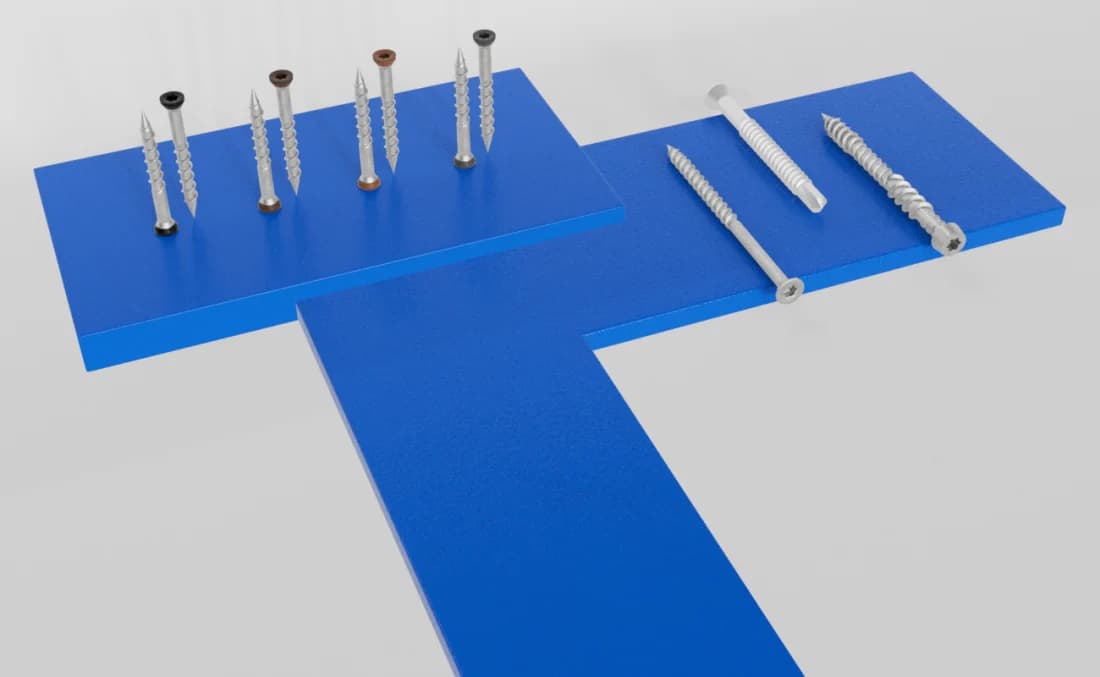
Understanding Your Decking System and Fasteners
Before gathering any tools, identify the type of decking material and fastening system you plan to use. Different materials, such as hardwood, composite, or PVC, often require specific installation methods and compatible hardware. For example, a hardwood deck might utilize traditional face screws, while a composite deck could rely on hidden clip systems. Your choice of fasteners directly influences the types of drivers, bits, and specialized tools needed.
Consider structural connectors for demanding assemblies, as these often require specific wrenches or impact drivers for secure installation. Some systems, particularly those aiming for clean finished surfaces, may involve specialized jigs or guides to ensure consistent spacing and alignment of clips or plugs.
Essential Hand Tools for Deck Installation
A foundational set of hand tools is indispensable for any deck project. These include a reliable tape measure, a carpenter's square, and a level for accurate layout and alignment. A chalk line is useful for snapping straight lines for joist placement or board edges. For marking cuts, a sharp pencil or construction crayon is essential.
A hammer, while perhaps less central for screw-based fastening, remains valuable for temporary bracing or adjusting components. For minor adjustments or prying, a pry bar or cat's paw can be helpful. Always prioritize tools with comfortable grips for extended use and ensure they are in good working condition.
Power Tools for Efficient Deck Construction
Power tools significantly increase efficiency and precision. A cordless drill/driver is paramount for installing fasteners, especially when dealing with hundreds or thousands of screws. Look for models with adjustable clutch settings to prevent over-driving and stripping screws. An impact driver can be particularly effective for driving longer, heavier-gauge structural screws.
For cutting deck boards and framing lumber, a miter saw or circular saw is essential. A miter saw offers precise, repeatable cuts, while a circular saw provides versatility for long rips and crosscuts on site. Ensure your saw blades are sharp and appropriate for the material being cut.
If your project involves specialized tasks like routing edges or creating specific profiles, a router with the correct bits will be necessary. For consistent spacing between deck boards, specialized deck board spacers are valuable installation accessories.
Fastener-Specific Tools and Accessories
The type of fastening system dictates many of your tool choices. For face-screwed applications, a variety of drill bits and driver bits are required. Pilot drilling can prevent splitting, especially in denser hardwoods, necessitating appropriate drill bit sizes for the chosen screws. Countersinking bits create a recess for screw heads, ensuring a flush finish. If using plugs to conceal screw heads, a specific plug cutter or system may be needed to create matching plugs from your decking material.
For hidden clip systems, ensure you have the manufacturer-recommended driver bits and any specialized installation tools designed to engage and secure the clips properly. These systems often require specific torque settings or jig alignments to ensure correct board spacing and fastener engagement. Some systems might also require specific starter and end components or border fastening tools.
Check compatibility between your chosen fasteners and any treated framing. Different metals can react, so ensure your fasteners are suitable for treated lumber to avoid corrosion.
Safety Gear and Jobsite Essentials
Safety should always be a top priority. A basic safety kit includes safety glasses or goggles, hearing protection (especially when using power saws), and work gloves. A dust mask or respirator is advisable when cutting wood, particularly treated lumber or composite materials.
Beyond safety gear, consider jobsite essentials like sawhorses for stable cutting and assembly, a sturdy workbench, and extension cords rated for outdoor use. A clean-up kit including a broom, dustpan, and perhaps a shop vac will help maintain an organized and safer work area. Don't forget a first-aid kit for minor injuries.
For integrated lighting options, ensure you have the necessary wiring tools, such as wire strippers, crimpers, and electrical tape, along with any specialized tools for mounting the lighting components.
Worked Example: Tool Kit for a Hardwood Deck with Face Screws
The framing is pressure-treated lumber. The project requires a clean finish with countersunk screws.
**Required Tools:**
1. **Measuring & Layout:** 25-foot tape measure, 2-foot carpenter's square, 4-foot level, chalk line, construction crayon.
2. **Cutting:** 10-inch compound miter saw for precise board cuts, 7-1/4 inch circular saw for any rip cuts or difficult angles.
5. **Safety & Support:** Safety glasses, hearing protection, work gloves, two sturdy sawhorses, a stable work surface, and a heavy-duty outdoor extension cord.
6. **Miscellaneous:** Hammer, pry bar, utility knife, first aid kit, broom.
This example demonstrates how the chosen materials and fastening method directly inform the specific tools in the kit. Always verify fastener compatibility with your specific decking material and framing.
Before you order
- Identify your decking material (hardwood, composite, PVC, etc.).
- Determine your primary fastening system (face screws, hidden clips, structural connectors).
- List specific fasteners and their required drive type (Phillips, Square, Star).
- Consider pilot drilling and countersinking needs for your chosen material.
- Account for any specialized accessories (plugs, spacers, lighting components).
- Assess the scale of your project to determine the necessary power tool capacity.
- Prioritize safety gear: eye, ear, and hand protection.
- Plan for jobsite organization and clean-up tools.
Confirm installation details, approved uses and warranty terms in the current instructions for the exact product and profile. Your installer should verify the substrate, structure and applicable project requirements.
Questions to help you decide
What is the most important tool for deck installation?
While many tools are crucial, a high-quality cordless drill/driver is arguably the most important for deck installation. It's used for fastening deck boards, assembling framing, and often for pilot drilling and countersinking.
Do I need specialized tools for hidden deck fasteners?
Yes, many hidden deck fastener systems require specialized tools. This can include specific driver bits designed to engage the clips, installation guides or jigs to ensure consistent spacing and alignment, or even dedicated fastening tools that automatically set the clips. Always consult the manufacturer's instructions for your specific hidden clip system to ensure you have the correct tools.
How do I ensure my tools are compatible with different decking materials?
Tool compatibility primarily relates to fasteners. For example, drill bits must match the pilot hole requirements for your screws and decking material to prevent splitting. Driver bits must precisely fit the screw head to avoid stripping. When cutting, ensure your saw blades are suitable for the material (e.g., a fine-tooth blade for cleaner cuts on composite or PVC). Always review the product specifications for both your decking materials and fasteners to confirm tool requirements.
Plan Your Deck Project: Request a Material Quote
Ready to start your deck project? Request a material quote today. Provide your project dimensions, exact profile preferences, and ZIP code to confirm current availability and service options for all your deck hardware, accessories, and lumber needs.
Request a material quote →