Understanding Steel Framing in Deck Construction
Steel framing for decks typically involves galvanized or coated steel joists, beams, and posts. These materials are known for their strength-to-weight ratio, resistance to rot and insects, and dimensional stability compared to wood. However, steel also conducts heat more readily and has different coefficients of thermal expansion than wood or composite decking materials. These factors directly influence the choice of deck hardware.
The thickness and profile of steel framing members vary by manufacturer and load requirements. It is crucial to know the exact specifications of your steel joists and beams, including material gauge, flange width, and any pre-drilled holes or connection points. This information is foundational for selecting appropriate fasteners and attachment methods.
Selecting Compatible Fasteners for Steel
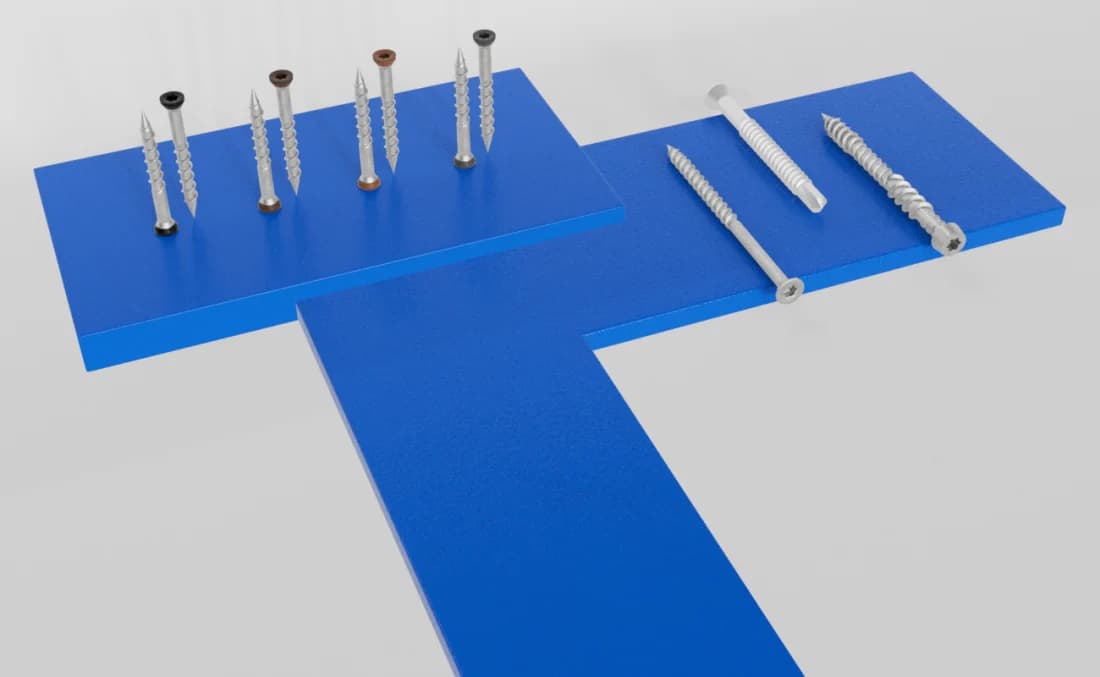
When attaching deck boards to steel joists, standard wood screws are generally not suitable. Steel requires fasteners designed to penetrate and hold securely in metal. Self-tapping screws are common, often featuring a drill point that creates its own hole as the screw is driven. These fasteners are typically made from hardened steel and may be coated for corrosion resistance.
Consider the type of deck board material you are using. Hardwood, composite, and PVC decking each have specific fastening requirements. For instance, some composite boards may require pre-drilling even with self-tapping screws to prevent splitting or mushrooming. Always verify the manufacturer's recommendations for both the deck boards and the steel framing system.
Corrosion resistance is paramount. Fasteners should be made from or coated with materials that resist galvanic corrosion when in contact with galvanized steel or other metals. Ensure any coatings are compatible with the steel framing and the deck board material.
Hidden Fastening Systems and Steel Joists
Many deck projects utilize hidden fastening systems for a clean, fastener-free surface. These systems typically involve clips that attach to the side or underside of the deck boards and then fasten to the joists. When working with steel joists, the compatibility of these clips with the steel profile is critical.
Some hidden clips are designed to screw directly into the top flange of a steel joist. Others may require a specific channel or adapter system provided by the steel framing manufacturer. Always confirm that the clip design allows for proper engagement and secure attachment to the steel, accommodating the joist's thickness and any pre-drilled holes.
Thermal expansion and contraction must be factored in. Deck boards, especially those made from composite or PVC, will expand and contract with temperature changes. Hidden clips designed for steel framing often incorporate features that allow for this movement while maintaining board spacing and stability.
Face-Screwing to Steel: A Practical Example
You've chosen 5.5-inch wide composite deck boards that require face-screwing.
For this scenario, you would select self-tapping, corrosion-resistant deck screws specifically rated for steel applications.
For the entire 12-foot width (144 inches), with 5.5-inch wide boards, you would need approximately 26 boards (144 inches / 5.5 inches = 26.18). This estimate does not account for starter/end boards or fascia. Always follow the deck board manufacturer's specific fastening pattern and screw spacing recommendations.
Pre-drilling may still be recommended by the deck board manufacturer, even with self-tapping screws, to ensure a clean finish and prevent stress cracks in the composite material. This requires selecting drill bits compatible with both the composite material and the steel joist, or using specialized self-drilling, self-tapping screws.
Tools and Installation Considerations
Installing deck hardware into steel framing requires specific tools. An impact driver or a powerful drill is essential for driving self-tapping screws into steel. Ensure you have appropriate driver bits that fit the screw head precisely to prevent cam-out and damage to the fastener.
Pilot drilling may be necessary for some fasteners or deck board materials, even with self-tapping screws. Use drill bits designed for metal, such as cobalt or titanium-coated bits. For countersinking, select a countersink bit that matches the head of your chosen fastener to achieve a flush finish.
When installing hidden clips, confirm that your installation tool or method is compatible with both the clip and the steel joist. Some clips require specific jigs or spacing tools to ensure consistent gaps between boards and proper alignment.
Verifying Board Approval and Manufacturer Guidelines
It is critical to confirm that your chosen deck boards are approved for use with steel framing. Some deck board manufacturers provide specific guidelines or even proprietary fastening systems for steel applications. Using an unapproved combination could void warranties or compromise the deck's structural integrity.
Always consult the installation guides from both the deck board manufacturer and the steel framing manufacturer. These documents provide crucial details on fastener types, spacing, edge distances, and any special considerations for thermal movement. If there's any ambiguity, contact the manufacturers directly or consult with an experienced professional.
For specialized applications, such as stairs or fascia, additional hardware may be required. Ensure that any structural connectors, such as joist hangers or ledger board connectors, are specifically designed and rated for use with steel framing and meet local building codes. These components often have specific fastener requirements themselves.
Before you order
- Verify the gauge and profile of your steel framing members.
- Confirm your chosen deck boards are approved for use with steel framing.
- Select fasteners specifically designed for steel applications (e.g., self-tapping, corrosion-resistant).
- Ensure hidden clips are compatible with the steel joist profile and allow for thermal movement.
- Check for any required pre-drilling or countersinking for both deck boards and fasteners.
- Confirm all hardware (fasteners, clips, structural connectors) meets local building codes.
- Consult installation guides from both deck board and steel framing manufacturers.
- Account for thermal expansion and contraction of deck boards when planning fastening.
Confirm installation details, approved uses and warranty terms in the current instructions for the exact product and profile. Your installer should verify the substrate, structure and applicable project requirements.
Questions to help you decide
Why can't I use regular wood screws for steel framing?
Regular wood screws are not designed to penetrate or hold securely in metal. Steel framing requires fasteners with specific drill points and threading, often made from harder materials, to create a secure connection. Using wood screws on steel can lead to stripped fasteners, weak connections, and potential deck failure.
What kind of corrosion resistance should I look for in fasteners for steel framing?
You should look for fasteners that are made from or coated with materials that resist galvanic corrosion, which can occur when dissimilar metals (like some fasteners and galvanized steel) come into contact. Ensure any coatings are compatible with all materials involved.
Do I need special tools to install deck hardware on steel framing?
Yes, installing deck hardware on steel framing typically requires an impact driver or a powerful drill capable of driving self-tapping screws into metal. You'll also need appropriate driver bits that fit the fasteners precisely. If pre-drilling is required, metal-specific drill bits (like cobalt or titanium-coated) will be necessary. Some hidden fastening systems may also require specialized jigs or tools.
Request a Material Quote for Your Steel-Framed Deck Project
Planning a deck with steel framing? Provide your project dimensions, desired deck board profile, and ZIP code to request a material quote. Our team can help confirm current availability of compatible deck hardware and accessories, and discuss service options tailored to your needs. Visit our website or contact us to get started.
Request a material quote →