Understanding Deck Stair Components and Their Connections
Deck stairs typically consist of stringers, treads, and risers. Stringers are the angled structural supports that carry the load of the stairs. Treads are the horizontal surfaces you step on, and risers are the vertical boards between treads. Each of these components requires specific fastening methods to ensure structural integrity and safety. The primary decision point is how these elements will connect to each other and to the main deck structure.
The connection of the stringers to the deck frame is critical. This often involves structural connectors designed to bear significant loads. Treads and risers need to be securely attached to the stringers, usually with fasteners that are suitable for the decking material itself, whether it's hardwood, composite, or PVC. Understanding these individual connections is the first step in planning your fastening strategy.
Selecting Structural Connectors for Stringers
Stringers are the backbone of your deck stairs. Their connection to the main deck structure must be robust. Structural connectors, such as steel hangers or angle brackets, are designed to provide the necessary support. These connectors are typically secured to the deck's rim joist or band board and to the stringers using specialized structural screws or bolts.
When selecting structural connectors, consider the load requirements and the type of wood or framing material being used. Ensure the connectors are rated for outdoor use and compatible with any treated lumber or alternative framing materials like steel or aluminum. Always refer to the manufacturer's guidelines for installation and fastener requirements to ensure the connection meets local building practices.
Fastening Treads and Risers: Matching to Decking Materials
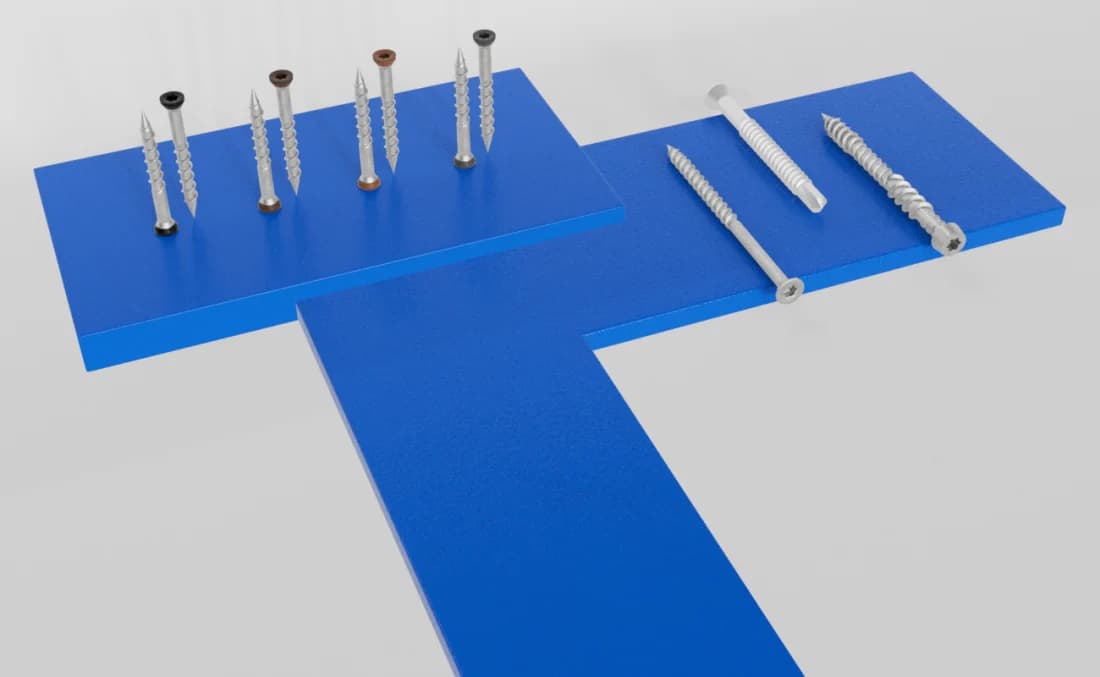
The choice of fasteners for treads and risers depends heavily on the decking material. For hardwood deck systems, specialized deck screws designed for hardwood are often recommended. These screws may feature self-drilling tips and specific thread patterns to minimize splitting and ensure a strong hold. For composite or PVC deck boards, specific fastening systems, including color-matched screws or hidden clip systems, are commonly used.
Consider the aesthetic outcome as well. Face-screw systems are visible but offer direct, strong fastening. Hidden clip systems provide a clean, fastener-free surface, but require specific board profiles and installation techniques. Always verify that the chosen fasteners are compatible with your specific decking product to avoid issues like staining, corrosion, or inadequate hold.
Planning for Installation Tools and Accessories
Beyond fasteners, the right installation tools and accessories are essential for a professional and efficient stair build. This includes pilot drilling bits, countersinking tools, and appropriate driver bits. For face-screwed applications, a countersinking tool ensures the screw heads sit flush or slightly below the surface, which can then be plugged for a cleaner look if desired. For hidden fastening systems, specialized jigs or guides may be required to ensure proper spacing and alignment.
The material system of your deck will also influence tool selection. Hardwoods may require more robust drilling equipment, while composite materials might benefit from specific cutting tools to prevent chipping. Ensure all tools are in good condition and suitable for the task at hand to achieve precise cuts and secure fastenings.
Worked Example: Fastening a Three-Step Deck Stair
Consider a hypothetical three-step deck stair with a total rise of 21 inches and a total run of 30 inches, using two stringers. Each step will have a 7-inch rise and a 10-inch run. The treads will be 12 inches deep and 36 inches wide, made from composite decking. The stringers are 2x12 pressure-treated lumber.
Pilot holes and countersinking will be used to ensure a clean finish.
3. **Riser Fastening (Optional)**: If risers are included, 1x8 composite riser boards will be used.
This example demonstrates how each connection point requires specific hardware, and how material choices influence fastener selection and quantity. Always double-check your measurements and consult product specifications for exact fastener types and quantities.
Before you order
- Identify the type of decking material for treads and risers.
- Determine the structural framing material for stringers and the main deck.
- Select appropriate structural connectors for stringer-to-deck attachment.
- Choose fasteners compatible with both the decking material and the stringers for treads and risers.
- Verify if a face-screw or hidden fastening system is desired for treads.
- List all necessary installation tools, including drill bits, drivers, and countersinks.
- Consider any integrated lighting options for stairs.
- Confirm compatibility of all chosen hardware with treated lumber or other framing materials.
- Review local building practices and codes for stair construction and fastening.
Confirm installation details, approved uses and warranty terms in the current instructions for the exact product and profile. Your installer should verify the substrate, structure and applicable project requirements.
Questions to help you decide
What kind of screws should I use for deck stairs?
The type of screws depends on the materials you are connecting. For structural connections of stringers, use specialized structural connector screws or bolts that are rated for the load and exposure. For attaching treads and risers, use deck screws specifically designed for your decking material (e.g., hardwood deck screws, composite deck screws, or PVC deck screws). Ensure they are corrosion-resistant for outdoor use.
Do I need to pre-drill holes for deck stair fasteners?
Pre-drilling is often recommended, especially when working with dense hardwoods or to prevent splitting in any wood. It can also help ensure screws drive straight and achieve a clean finish, particularly with countersunk applications. For some composite or PVC decking, pre-drilling might be specified by the manufacturer to prevent material damage or ensure proper fastener engagement.
Can I use common nails for deck stairs?
While nails can be used for some less critical connections, for structural components like stringers and treads, screws or bolts are generally preferred due to their superior holding power and resistance to withdrawal. Many building codes require specific fasteners for structural deck components. Always consult local building codes and manufacturer recommendations to ensure safety and compliance.
Request a Material Quote for Your Deck Stair Project
Ready to build your deck stairs? Provide your project dimensions, desired profile, and ZIP code to request a material quote. Our team can help you confirm current availability and service options for all your deck hardware and accessory needs. For complex assemblies, bring your material, application, and drawings for a comprehensive fastening system check.
Request a material quote →