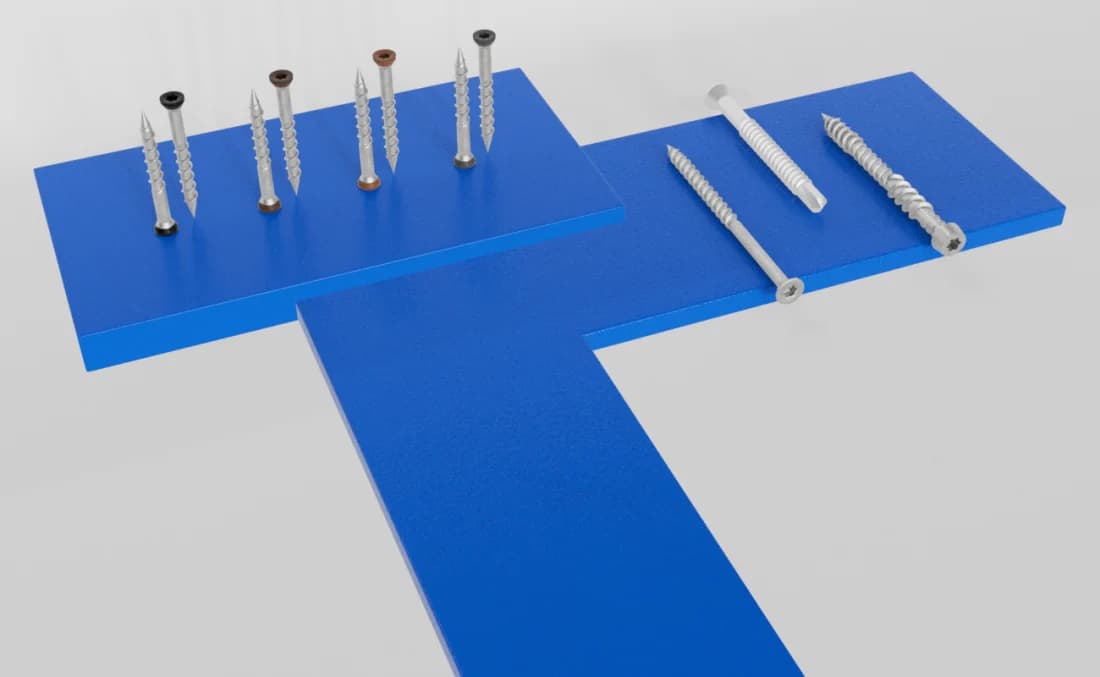
Understanding Essential Product Details
Every piece of deck hardware and every accessory comes with a set of specifications. These details are not merely suggestions; they are crucial parameters for proper use and performance. Key information typically includes material composition, physical dimensions (length, width, thickness, diameter), finish type, and intended application. For fasteners, this might include thread type, head style, and shank diameter. For clips, it would involve the specific board groove profile they are designed to engage. Understanding these fundamental details is the first step in making an informed selection.
When reviewing specifications, pay close attention to the units of measurement. While most US products use imperial measurements, some specialized items may list metric. Confirming these details upfront prevents ordering errors and ensures compatibility with other project components and tools.
Material Compatibility and Environmental Factors
Deck hardware and accessories are exposed to various environmental conditions, including moisture, temperature fluctuations, and sometimes coastal salt air. Product specifications often detail the material composition (e.g., stainless steel grade, galvanized steel, polymer type) and any protective coatings or treatments. This information is vital for ensuring longevity and preventing issues like corrosion or degradation.
For example, if your deck framing is made from pressure-treated lumber, the fasteners you choose must be compatible with the chemicals used in the treatment process. Many specifications will explicitly state compatibility with ACQ (Alkaline Copper Quaternary) or other common preservative treatments. Similarly, for decks in coastal regions, specifications for corrosion-resistant materials like specific grades of stainless steel (e.g., 316 stainless steel) are often recommended. Always cross-reference the hardware's material with the environmental conditions and the materials it will contact.
Application-Specific Profiles and Dimensions
Many deck accessories, such as hidden fastening clips, plugs, and spacers, are designed for specific profiles or board dimensions. The specifications will clearly indicate the intended board thickness, groove dimensions, or spacing they are engineered to provide. For example, a hidden deck clip might be specified for a 5/4-inch nominal deck board with a specific groove width and depth. Using a clip designed for a different board profile can result in an insecure installation or visible gaps.
Similarly, structural connectors and fastening solutions have precise load ratings and attachment points. Their specifications will detail the required fastener types and sizes, as well as the lumber dimensions they are designed to connect. Attempting to use a connector outside of its specified application can compromise structural integrity.
Worked Example: Selecting Fasteners for a Hardwood Deck
The client prefers a clean, fastener-free surface.
For this scenario, we would look for a hidden fastening system. We identify a specific brand of hidden deck clips designed for 3/4-inch thick grooved decking boards. The screws are explicitly listed as compatible with ACQ-treated lumber.
The decking boards are 12 feet long. For a 10-foot wide deck, we'll need two full 5.5-inch boards plus a partial board to cover the 120-inch width (120 inches / 5.5 inches per board = 21.82 boards). We will round up to 22 boards for cuts. Total clips needed: 22 boards * 9 clips/board = 198 clips.
This example highlights how specific product dimensions (board thickness, joist spacing) and desired outcomes (gap size, hidden fasteners) directly inform the selection of hardware and its associated components, all guided by the individual product specifications.
Documented Limitations and Installation Guidelines
Beyond dimensions and materials, specifications often include important limitations and installation guidelines. These might cover maximum span recommendations for fasteners, specific torque settings for screws, or instructions for pre-drilling. Some hardware may have limitations regarding its use in conjunction with certain decking materials (e.g., not recommended for PVC or composite boards with specific core compositions).
It's also crucial to check for any required complementary products. For instance, some hidden clip systems may require a specific starter clip or end clip, or a specialized driver bit for installation. Overlooking these details can lead to an incomplete order or installation difficulties. Always refer to the manufacturer's installation instructions, which often expand on the core specifications.
Before you order
- Verify material compatibility with your decking boards and framing (e.g., treated lumber, specific wood species, composite, PVC).
- Confirm physical dimensions (length, width, diameter, thickness) match your project requirements and existing components.
- Check the intended application and ensure it aligns with your project's design (e.g., hidden fastening, structural connection, fascia attachment).
- Review any specific profile requirements for clips or plugs to ensure they fit your chosen decking boards.
- Identify any required complementary products (e.g., specific screws for clips, starter/end clips, specialized tools).
- Consider environmental exposure (e.g., coastal, high moisture) and ensure hardware material is suitable for the conditions.
- Note any documented limitations or specific installation instructions (e.g., pre-drilling, spacing, torque settings).
- Cross-reference the hardware specifications with the installation guidelines of your decking material to ensure full compatibility.
Confirm installation details, approved uses and warranty terms in the current instructions for the exact product and profile. Your installer should verify the substrate, structure and applicable project requirements.
Questions to help you decide
Why is material compatibility so important for deck hardware?
Material compatibility is crucial because different materials can react negatively when in contact, especially in outdoor environments. For example, certain metals can corrode rapidly when exposed to the chemicals in pressure-treated lumber, or when different metals are in direct contact (galvanic corrosion). Ensuring compatibility prevents premature failure, staining, and maintains the structural integrity and appearance of your deck over time.
What happens if I use a hidden deck clip not designed for my board profile?
Using a hidden deck clip that doesn't match your board's profile can lead to several problems. The clip might not engage properly, resulting in loose boards, uneven gaps, or boards lifting. It could also create stress points, potentially damaging the decking material or causing the clips to fail prematurely. Always match the clip's specifications to your board's exact groove dimensions and thickness.
Should I always pre-drill when installing deck hardware?
Whether to pre-drill depends on the specific hardware, the decking material, and the manufacturer's instructions. Some fasteners, particularly those for dense hardwoods or certain composite materials, require pre-drilling to prevent splitting the wood or breaking the fastener. The product specifications or installation guide will usually state if pre-drilling is necessary and recommend the appropriate drill bit size. For softer woods or self-drilling screws, pre-drilling might not be required.
Request a Material Quote for Your Deck Hardware Needs
Ready to specify your deck hardware and accessories? Provide your project dimensions, desired profiles, and ZIP code to request a material quote. Our team can help confirm current availability and service options for your fastening and installation needs. <a href="/contact-us">Request a Quote</a>
Request a material quote →