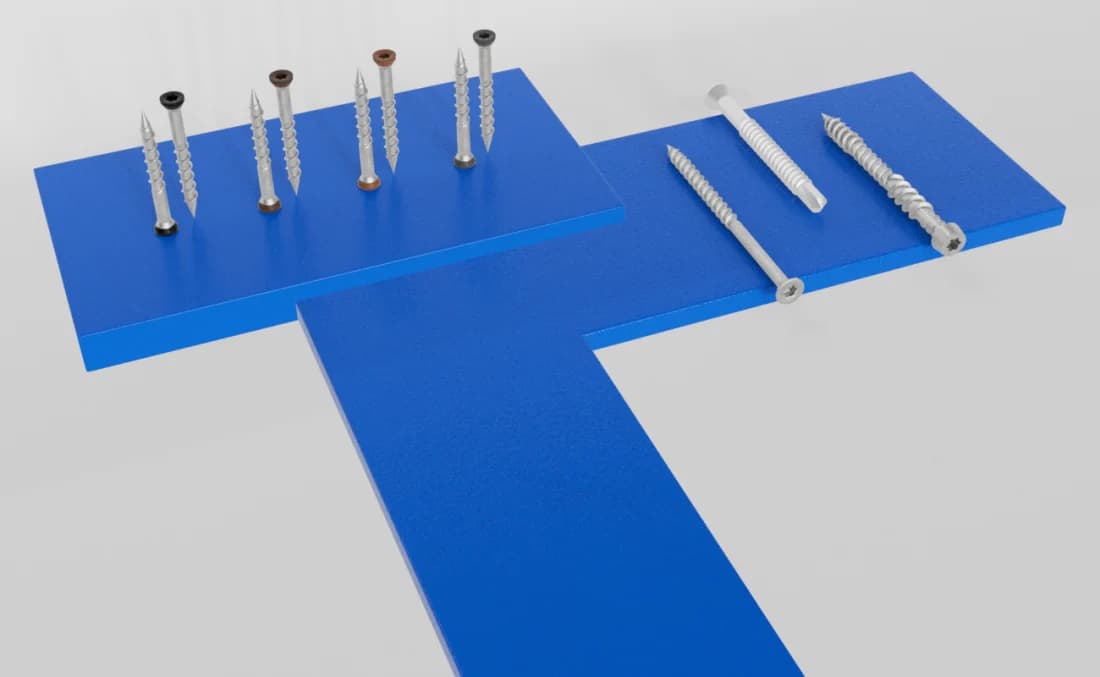
Why Planning for Spares is Crucial
The primary reason to plan for spare deck hardware and accessories is to guarantee future compatibility. Manufacturers periodically update product lines, and specific profiles, finishes, or fastening mechanisms can change. If a component breaks or needs replacement years after installation, finding an exact match can be challenging, potentially leading to mismatched aesthetics or compromised structural integrity.
Having spares on hand also minimizes downtime for repairs. A damaged hidden fastener, a lost deck plug, or a broken lighting fixture can interrupt the enjoyment of your outdoor space. With readily available spares, you can address issues quickly without waiting for new orders or searching for compatible alternatives. This foresight saves time and effort in the long run.
Consider the scenario where a single deck board needs replacement due to damage. If your deck uses a specific hidden clip system, having a few extra clips ensures you can remove and reinstall the board correctly without having to source a new, potentially incompatible, batch of fasteners. This applies to various components, from specialized screws to railing accessories and lighting elements.
Identifying Critical Components for Spares
Not every single item purchased for your deck project requires a dedicated spare. Focus on components that are unique, proprietary, or essential for the functionality and appearance of your deck. These often include:
**Specialized Fasteners and Clips:** Hidden fastening systems, proprietary clips, or unique screws designed for specific decking materials (e.g., hardwood, composite, PVC) are high-priority items. These are often difficult to match from generic hardware stores.
**Deck Plugs and Finish Components:** If your deck uses a face-screw system with matching plugs, having spares is crucial for seamless repairs. Similarly, any decorative caps, trim pieces, or specialized spacers should be considered.
**Integrated Lighting Parts:** While full fixtures might be costly to store as spares, individual replacement bulbs, lenses, or small connectors for integrated deck or stair lighting systems can be invaluable.
**Specific Railing Hardware:** Unique brackets, post caps, or baluster connectors that are part of a specific railing system might also be worth keeping spares for.
**Tools and Accessories:** While not 'spares' in the same sense, specialized driver bits, countersinking tools, or jig components that are specifically recommended for your chosen fastening system should be stored carefully, as their loss can halt a repair project.
Recording Essential Product Information
Beyond simply buying extra parts, thoroughly documenting your purchased hardware is paramount. This record acts as your future reference, guiding you to the correct items when needed. For every critical component, record the following:
**Manufacturer and Product Name:** The exact brand and specific product line (e.g., US4 Deck Screws, Maximo Hidden Fastener System).
**Item Number or SKU:** This is the most important identifier. It allows for precise reordering.
**Material and Finish:** Note the material (e.g., stainless steel, galvanized steel, composite) and the finish (e.g., black, bronze, natural wood tone).
**Size/Dimensions:** For fasteners, this includes length and gauge. For plugs, it's the diameter and profile.
**Purchase Date and Supplier:** Knowing when and where you bought the items can help track product generations or specific batches.
Store this information in a safe, accessible place, perhaps a physical binder or a digital document, alongside your deck plans and other project records. Take photos of the packaging and the components themselves for visual reference.
Worked Example: Hidden Fasteners and Plugs
The main deck area is 192 square feet.
The total number of boards needed for the 16-foot width is 16 ft / (5.5 in / 12 in/ft) = 34.9 boards, so 35 boards.
Record the specific US4 hidden clip system's item number.
For 120 plugs, 20% is 24 plugs. If plugs are sold in packs of 25 or 50, buying one extra pack of 25 would be sufficient. Record the specific Maximo deck plug item number and the associated screw information.
Storage and Maintenance of Spares
Once you've acquired your spare parts and recorded their details, proper storage is essential to maintain their integrity. Store fasteners, clips, and other metal components in a dry, temperature-controlled environment to prevent corrosion. Original packaging, if durable, can offer the best protection and often contains the product information you've recorded.
For smaller items like deck plugs or lighting lenses, clear, labeled containers can help keep them organized and easily identifiable. Avoid tossing them into a general toolbox where they might get lost or damaged. Regularly check on your stored spares to ensure they haven't degraded over time, especially if they are made of composite or plastic materials that might be affected by extreme temperatures.
Periodically review your inventory of spares, particularly if you undertake significant deck maintenance or modifications. This helps ensure your spare parts collection remains relevant to your current deck configuration.
Before you order
- Identify all unique or proprietary deck hardware components in your project.
- Determine which components are critical for structural integrity or aesthetic consistency.
- Calculate a sensible quantity of spares for each critical component (e.g., 10-20% extra, or one extra pack/box).
- Record the manufacturer, product name, item number (SKU), material, finish, and dimensions for each spare component.
- Document the purchase date and supplier for all hardware.
- Store spare parts in a dry, protected environment, ideally in their original packaging or clearly labeled containers.
- Keep a digital and/or physical record of all product information in a secure, accessible location.
- Consider purchasing specialized tools or driver bits specific to your fastening system as 'spares' for future use.
Confirm installation details, approved uses and warranty terms in the current instructions for the exact product and profile. Your installer should verify the substrate, structure and applicable project requirements.
Questions to help you decide
How many spare parts should I buy for my deck project?
A general guideline is to purchase 10-20% more than the calculated minimum required for critical components. For items sold in specific pack sizes, it's often practical to buy one extra pack or box. The goal is to have enough for minor repairs without overstocking.
What kind of information should I record about my deck hardware?
You should record the manufacturer, specific product name, item number or SKU, material, finish, and dimensions. Also note the purchase date and where you bought them. This detailed record is crucial for reordering exact matches in the future.
Where should I store my spare deck hardware?
Store spare deck hardware in a dry, protected environment, away from extreme temperatures and moisture, to prevent corrosion or degradation. Original packaging is often best, or use clearly labeled containers to keep items organized and identifiable. Keep your documentation in a safe, accessible place.
Request a Material Quote for Your Deck Project
Planning your deck project, including spare components, starts with selecting the right materials. Provide your project dimensions, desired profiles, and ZIP code, and we can assist with a material quote, confirm current availability, and outline service options. Visit our <a href="/contact-us">contact page</a> to get started. For specific deck hardware and accessories, explore our <a href="/hardware-and-accessories">Deck Hardware and Accessories</a> page, or consider our <a href="/brands/us4">US4</a> brand for specific solutions.
Request a material quote →