Assess the Existing Substructure and Framing
Before selecting any new hardware, a thorough inspection of the existing deck frame is essential. Check for signs of rot, insect damage, or structural weakness in joists, beams, and support posts. Any compromised structural elements should be repaired or replaced before new decking is installed. Pay close attention to the condition of existing fastener holes; rusted screws or nails can leave behind weakened wood that may not hold new fasteners effectively. The type of framing material (e.g., pressure-treated lumber, steel, aluminum) will also influence compatible hardware choices.
For pressure-treated lumber, ensure that any new fasteners are compatible with the chemical treatments to avoid corrosion. For steel or aluminum frames, specific fastening systems designed for metal-to-wood or metal-to-composite connections will be necessary. Understanding the existing frame's material and condition is the foundational step for any hardware decision.
Evaluate Existing Fastener Holes and Patterns
One of the most significant differences in a retrofit is dealing with the remnants of previous fastenings. Old screw holes or nail penetrations can affect the holding power of new fasteners. If the new deck boards are being laid in the same orientation, consider whether new fasteners can be placed to avoid existing holes. If the old holes are numerous or close together, they might compromise the wood's ability to hold new screws securely. In such cases, shifting the layout slightly or using a different fastening method might be required.
For example, if the previous decking was face-screwed, the joists will have a pattern of holes. If you plan to use a hidden fastening system, these old holes will still be present and may need to be filled or ignored if they don't interfere with the new board placement or clip locations. If you are face-screwing again, try to offset new screws from old holes to ensure maximum grip.
Choosing Compatible Fastening Systems for Your New Decking
The type of new deck board (hardwood, composite, PVC) will dictate the most suitable fastening system. Hardwood decks often benefit from specialized fasteners designed to accommodate wood movement, while composite and PVC boards typically require specific clips or screws that account for their material properties and expansion/contraction characteristics. Hidden fastening systems are popular for a clean aesthetic, but they require precise installation and compatibility with both the chosen deck board and the substructure.
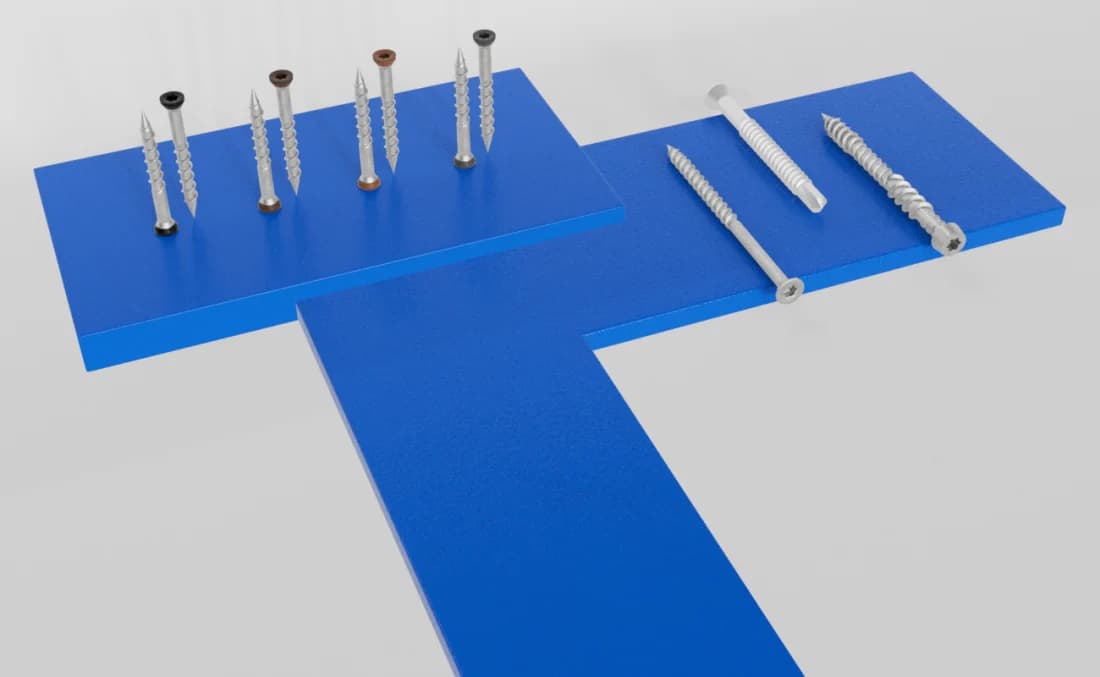
For visible face-screwing, select screws specifically designed for decking, often with self-tapping or pre-drilling capabilities to prevent splitting. These are available in various materials and finishes to complement your deck boards. Consider the head type (e.g., bugle, trim) and drive type (e.g., Torx, square drive) for ease of installation and a finished look. Always verify that the chosen fasteners are suitable for outdoor exposure and compatible with any existing treated lumber in the frame. Lumber Plus offers a range of professional deck hardware and installation accessories, including clips, plugs, and spacers, selected around the material system.
Worked Example: Retrofitting a 10x12 Foot Deck
The homeowner plans to install new 5/4x6-inch composite deck boards with a hidden fastening system.
First, inspect the joists. For the new composite boards, a hidden clip system will be used. These clips typically attach to the side of the joist or sit on top, engaging with grooves in the composite boards. The key is to ensure the clip's base plate or side-fastening mechanism does not interfere with the old screw holes, or that the old holes are not so large as to compromise the new screw's grip.
If the chosen hidden clips require screws into the top face of the joist, and the old holes are directly in the path, it might be necessary to slightly offset the new joist tape or clip placement, or use longer screws that can bypass the weakened wood around the old holes. Alternatively, some hidden systems fasten into the side of the joist, which would avoid the old top-surface holes entirely. Always refer to the specific installation instructions for the chosen hidden clip system and composite boards to ensure proper alignment and secure fastening. This example highlights the need to consider how new hardware interacts with the existing joist surface, not just the new decking material.
Complementary Accessories and Tools
Beyond the primary fastening system, a retrofit project often benefits from various accessories. Deck board spacers can help maintain consistent gaps for drainage and expansion. Starter and end clips ensure a neat finish at the edges of the deck. For face-screwed applications, countersinking bits and plugs can create a flush, refined appearance. If the existing joists show minor imperfections, joist tape can provide an additional layer of protection and help extend the life of the substructure.
Proper installation tools are also crucial. This includes appropriate drill bits, driver bits, and possibly specialized tools for hidden fastening systems. Lumber Plus offers installation and finishing tools selected around the material system, ensuring you have the right equipment for a professional finish. Consider integrated lighting options for decks, stairs, and rails to enhance both aesthetics and safety, as these often require specific mounting hardware.
Explore our wide range of deck hardware and installation accessories at [Lumber Plus Hardware and Accessories](/hardware-and-accessories). For specific fastening solutions, consider brands like US4, available through Lumber Plus branches, which offer structural connectors for demanding assemblies: [US4 Brand Products](/brands/us4).
Before you order
- Inspect the entire existing deck frame for structural integrity, rot, or damage.
- Identify the material of your existing joists (e.g., pressure-treated wood, steel, aluminum).
- Assess the condition and location of old fastener holes on the joist tops.
- Determine the type of new deck boards you will install (hardwood, composite, PVC).
- Choose a fastening system (face-screw or hidden) compatible with your new deck boards and existing frame.
- Verify that selected fasteners are compatible with the existing joist material, especially if treated lumber is present.
- Consider if new fasteners can avoid or effectively engage with areas near old fastener holes.
- Plan for complementary accessories such as spacers, starter/end clips, joist tape, or plugs.
- Select appropriate installation tools, including drill bits and driver bits, for your chosen hardware.
Confirm installation details, approved uses and warranty terms in the current instructions for the exact product and profile. Your installer should verify the substrate, structure and applicable project requirements.
Questions to help you decide
Can I use the same type of fasteners for new composite decking as I did for old wood decking?
Generally, it's not recommended to reuse the exact same type of fasteners or systems without verification. Composite decking often requires specific fasteners or hidden clip systems designed to accommodate its unique expansion and contraction properties. While some face-screwing methods might be adaptable, always consult the manufacturer's recommendations for your specific composite boards and chosen hardware to ensure proper performance and warranty compliance.
What should I do if the existing joists have many old fastener holes?
If existing joists have numerous old fastener holes, assess their condition. If the wood around the holes is weakened, consider shifting your new fastening pattern slightly to engage fresh wood. For hidden clip systems, ensure the clip's attachment point is secure. In some cases, applying joist tape can help protect the joist surface, but it won't restore the structural integrity of weakened wood. If the joists are severely compromised by old holes, repair or replacement of those sections may be necessary.
Are there special considerations for coastal or winter climates during a retrofit?
Yes, for coastal exposure, prioritize hardware made from corrosion-resistant materials like stainless steel. Salt air can accelerate corrosion of galvanized fasteners. For winter climates, consider hardware designed for freeze-thaw cycles and ensure your chosen decking and fastening system can accommodate potential movement. Always verify the material compatibility of your fasteners with any treated lumber in the frame, as some treatments can react with certain metals, especially in harsh conditions.
Ready to Plan Your Deck Retrofit?
Request a material quote with your project dimensions, exact profile, and ZIP code to confirm current availability and service options. Bring your material, application, and drawings to the local team so the fastening system can be checked as one package.
Request a material quote →