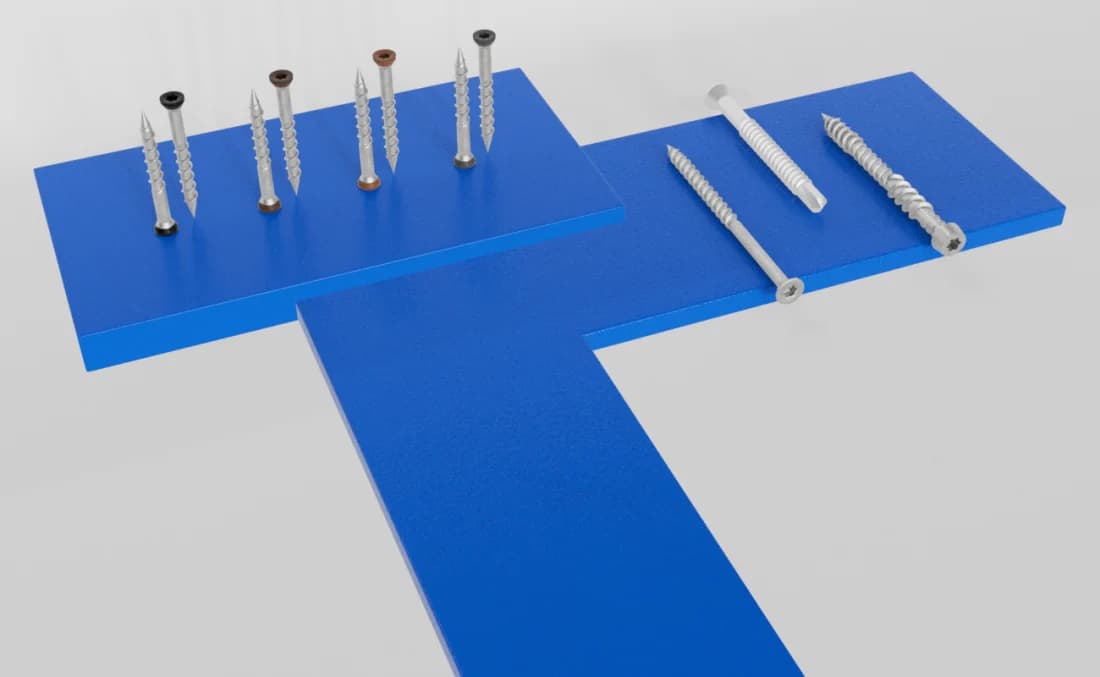
Understanding Deck Plugs and Their Purpose
Deck plugs are small, typically cylindrical pieces designed to conceal face-fastened screws in deck boards. Their primary purpose is aesthetic, creating a smooth, unblemished surface that highlights the natural beauty of the decking material rather than the fasteners. Beyond aesthetics, plugs can offer a degree of protection to the screw heads, though their main function is visual integration.
Plugs are most commonly used with hardwood, composite, and PVC decking where a hidden fastening system isn't chosen or feasible, or when specific board profiles require face fastening. They are an essential part of a finished deck, contributing to both its appearance and the overall impression of craftsmanship.
Material Compatibility: Hardwood, Composite, and PVC
The material of your deck boards dictates the type of plug you should use. Hardwood decks, such as those made from Ipe or Cumaru, typically require plugs cut from the same species of wood. This ensures that the plug weathers and ages similarly to the surrounding board, maintaining a consistent appearance over time. Using a different wood species for plugs can lead to uneven fading or expansion/contraction rates.
For composite and PVC deck boards, manufacturers often produce proprietary plugs specifically designed to match their board lines. These plugs are engineered to replicate the material's color, texture, and often its specific grain patterns. Using a manufacturer's recommended plug is crucial for these materials, as generic wood plugs will not blend effectively and may not bond correctly with the synthetic material.
Always verify that the plug material is explicitly compatible with your deck board material. For example, a plug designed for a PVC board will not perform or look correct in a hardwood deck.
Color and Grain Matching for a Seamless Finish
Achieving a seamless finish requires careful attention to color and grain matching. For natural wood decks, plugs are often cut from the same batch of decking material to ensure the closest possible color and grain match. Even with the same species, natural variations in wood can occur, so it's wise to select plugs that visually blend well with the specific board they will be installed in.
With composite and PVC decking, color consistency is generally more predictable. However, even within the same product line, slight batch variations can exist. It's recommended to purchase plugs from the same production run as your deck boards if possible, or to verify samples under natural light to confirm the match. Some manufacturers offer plugs that are designed to complement, rather than perfectly match, the board color, creating a subtle contrast. Understand the intended aesthetic before making your selection.
Consider how the deck surface will look under different lighting conditions and as it ages. Natural wood will patina, and plugs should follow this process. Synthetic materials are designed for color stability, and their plugs should reflect this.
Profile and Fastener System Considerations
The profile of your deck board and the chosen fastening system significantly influence plug selection. Plugs are typically used with face-fastened screws, where the screw head is countersunk below the surface of the board. The plug then fills this void.
Ensure that the plug's diameter and depth are appropriate for the countersunk hole created by your chosen fastener and installation tool. Many manufacturers offer specialized countersinking bits designed to create a perfectly sized hole for their corresponding plugs. An improperly sized hole can lead to a plug that sits too high, too low, or is not securely seated, compromising both appearance and durability.
For specific fastening solutions, such as those from US4, ensure that any plugs used are compatible with their recommended installation methods and tools. The goal is a flush, tight fit without forcing the plug or leaving gaps.
Related Product: US4 Fasteners: [/brands/us4]
Installation Techniques for Optimal Results
Correct installation is paramount for plugs to perform their function effectively. The process generally involves drilling a pilot hole, countersinking for the screw head, driving the screw, and then inserting the plug. For wood plugs, a small amount of exterior-grade adhesive is typically applied to secure the plug in place. Excess adhesive should be wiped clean immediately.
Once inserted and the adhesive has cured, wood plugs are often sanded flush with the deck surface. This step is crucial for a smooth finish and to ensure the plug is virtually undetectable. For composite and PVC plugs, sanding may not be recommended or necessary, as they are often designed to snap or press fit and match the texture directly. Always follow the specific installation instructions provided by the plug and deck board manufacturer.
Proper countersinking is the foundation. The hole must be clean, consistent, and sized precisely for the plug. Inconsistent depths will lead to plugs that are not flush with the deck surface, creating unevenness and potential tripping hazards or collection points for debris.
Worked Example: Selecting Plugs for a Cumaru Deck
Consider a hypothetical project building a 10-foot by 12-foot Cumaru hardwood deck. The boards are 16 feet long.
First, we confirm the Cumaru deck boards require Cumaru plugs. For a 10-foot width using 5-1/4 inch boards, we'd need approximately 23 boards (120 inches / 5.25 inches per board = 22.85).
We would then source Cumaru plugs specifically manufactured for this purpose, ensuring they are cut from true Cumaru wood. We would also select a countersinking bit designed to create a hole perfectly sized for these Cumaru plugs. During installation, each plug will be secured with an exterior-grade wood adhesive and then sanded flush with the deck surface after curing.
This approach ensures that the plugs will age consistently with the Cumaru boards, maintaining the deck's uniform appearance over time. It also confirms that the plugs will fit correctly into the countersunk holes, providing a secure and aesthetically pleasing finish.
Before you order
- Confirm deck board material (hardwood, composite, PVC).
- Identify manufacturer-specific plug recommendations for composite/PVC.
- For hardwoods, specify plugs of the same wood species.
- Verify plug diameter matches your countersinking bit and screw head size.
- Check plug depth compatibility with the countersunk hole depth.
- Compare plug color and grain against deck boards in natural light.
- Review installation instructions for both plugs and deck boards.
- Determine if sanding is required for the chosen plug type.
- Calculate the required quantity, adding a buffer for cuts or mistakes.
Confirm installation details, approved uses and warranty terms in the current instructions for the exact product and profile. Your installer should verify the substrate, structure and applicable project requirements.
Questions to help you decide
Can I use generic wood plugs for any type of deck board?
Generic wood plugs are generally only suitable for natural wood deck boards, and ideally, they should be made from the same species as your decking. For composite or PVC boards, you should use manufacturer-specific plugs designed to match the material's composition, color, and texture for proper integration and performance.
How do I ensure the plugs don't pop out over time?
Proper installation is key. For wood plugs, use a high-quality, exterior-grade wood adhesive in the countersunk hole before inserting the plug. Ensure the plug fits snugly and is flush with the surface. For composite and PVC plugs, follow the manufacturer's specific fastening recommendations, which may involve a snap-fit or specialized adhesive. Correct countersinking that matches the plug's dimensions is also critical for a secure fit.
What tools are needed for installing deck plugs?
Essential tools typically include a drill, a pilot hole drill bit, and a specialized countersinking bit designed to create a perfectly sized hole for your chosen plugs. You may also need a mallet for gently seating plugs, a scraper or cloth for wiping excess adhesive, and sandpaper (for wood plugs) to achieve a flush finish. Always refer to the specific product's installation guide for precise tool requirements.
Request a Material Quote for Your Deck Project
Planning your deck project? Request a material quote today. Provide your project dimensions, desired deck board profile, and ZIP code to confirm current availability and service options for all your deck hardware and accessory needs. Our team can help ensure you select the correct fastening system, including plugs, for a durable and visually appealing deck.
Request a material quote →