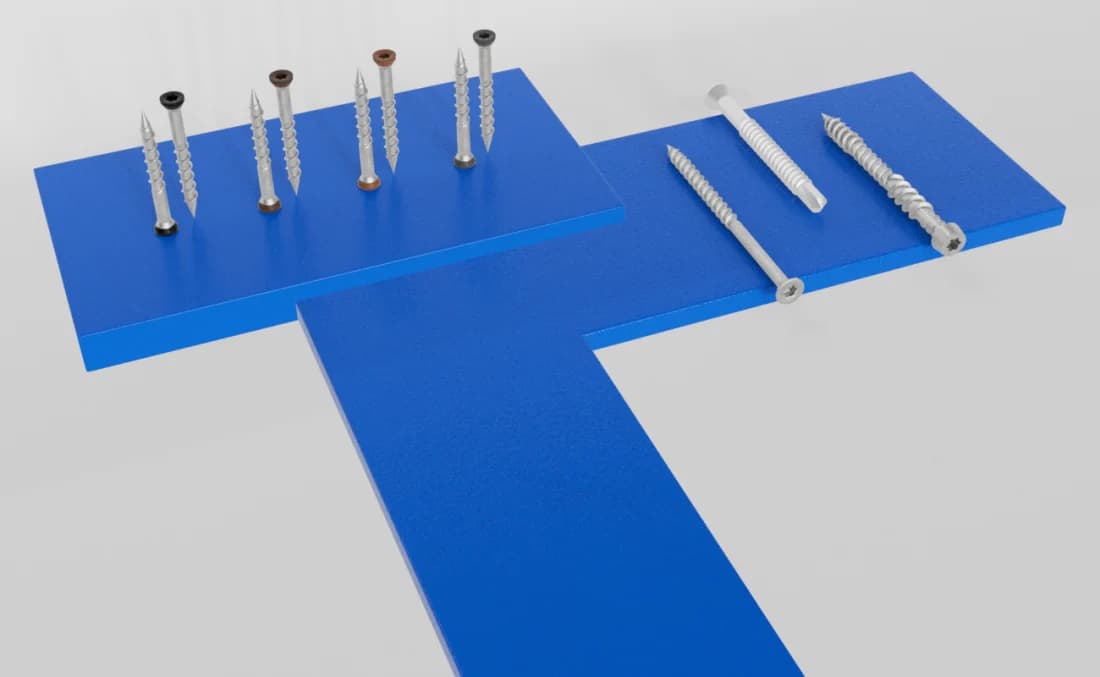
Why Pilot Drilling is Essential for Decking
Pilot drilling creates a lead hole for screws or other fasteners, preventing material splitting, especially in dense or brittle woods like many hardwoods. When a screw is driven into wood without a pilot hole, the wedge action of the screw threads can exert outward pressure, causing the wood fibers to separate. This is particularly true near the ends or edges of boards. For deck hardware and accessories, where structural integrity and a clean appearance are paramount, pilot drilling is a foundational step.
Beyond preventing splits, pilot holes ensure that fasteners drive straight and sit flush with or below the surface, depending on the application. This contributes to a more aesthetically pleasing finish and can reduce potential trip hazards. It also helps maintain the fastener's holding power by allowing the threads to engage fully without excessive friction that could damage the wood or the fastener itself.
Understanding Pilot Hole Diameter
The correct pilot hole diameter is crucial. For screws, the pilot hole should generally match the diameter of the screw's shank (the unthreaded part) to allow the threads to cut into the wood and create a strong hold. If the pilot hole is too small, it can cause splitting or make driving difficult. If it's too large, the screw may not hold securely.
For hardwood decking, a slightly larger pilot hole might be necessary compared to softer woods to reduce the risk of splitting. However, the exact diameter can vary based on the specific wood species, its density, and the type and size of the fastener. Always refer to the fastener manufacturer's recommendations or test on a scrap piece of the same decking material.
When to Countersink and Counterbore
Countersinking is the process of creating a conical recess for the head of a flat-head or oval-head screw, allowing it to sit flush with the surface. This is essential for a smooth deck surface, preventing snagging or tripping hazards.
Counterboring creates a flat-bottomed cylindrical hole to fully conceal the screw head below the surface. This is often done when plugs are used to hide fasteners for a completely clean, fastener-free appearance. The counterbore should be deep enough to accommodate the screw head and the plug, with the diameter matching the plug. Specialized bits are available that combine pilot drilling, countersinking, and counterboring into a single step for efficiency and precision.
Worked Example: Pilot Drilling for a Hardwood Deck
The Ipe is a dense hardwood, so careful pilot drilling is essential to prevent splitting and ensure the fasteners sit flush.
For dense hardwoods like Ipe, it's often advisable to use a pilot bit that is slightly larger than the shank, but smaller than the threads.
Using a combined pilot-drill and countersink bit, such as the US4 Decking Countersink Bit for Hardwood (compatible with <a href="/brands/us4">US4 fasteners</a>), ensures that the pilot hole is drilled to the correct depth and diameter, and the countersink for the screw head is simultaneously created to the precise depth for a flush finish. This bit typically has a pilot drill sized for the screw shank and a countersink cutter for the head.
For each screw location, mark the position precisely. Using the combined bit, drill straight down until the countersink cutter bottoms out, creating a hole where the screw head will sit flush. This method provides consistency across all fasteners. It is critical to stop drilling as soon as the countersink is formed to avoid over-drilling and weakening the wood.
Tools and Accessories for Precision Drilling
Achieving precise pilot holes and countersinks requires the right tools. A good quality drill/driver with adjustable clutch settings is essential. For consistent depth, a drill stop can be invaluable, especially when not using a combined pilot/countersink bit. Specialized <a href="/hardware-and-accessories">deck hardware and installation accessories</a> include bits that combine pilot drilling and countersinking into one step, significantly speeding up the process and improving consistency. Some bits also incorporate a stop collar to prevent over-drilling.
Consider using a dedicated impact driver for driving screws after pilot holes are drilled, as this can be more efficient and reduce user fatigue, especially on larger projects. However, always ensure the impact driver is set to an appropriate torque to avoid stripping screw heads or damaging the material. For applications requiring hidden fasteners, specialized jigs and bits are also available to create precise counterbored holes for plugs, such as those that might be used with a <a href="/brands/us4">US4 hidden fastening system</a>.
Maintenance and Best Practices
Even with proper pilot drilling, ongoing maintenance is important. Periodically inspect your deck for any fasteners that may have backed out or become proud of the surface. Re-driving these screws or, if necessary, replacing them, can extend the life of your deck and maintain its safety.
Always keep drill bits sharp. Dull bits can generate excessive heat, burn the wood, and make drilling more difficult, potentially leading to inaccurate holes or material damage. When working with different wood species or fastener types, always test your pilot hole size on a scrap piece before committing to the main project. This small step can save significant time and material in the long run.
Before you order
- Identify the decking material (e.g., hardwood, composite, PVC) and its density.
- Determine the type and size of fasteners (e.g., screw gauge, length, head type).
- Consult fastener manufacturer guidelines for recommended pilot hole diameters.
- Decide if countersinking (for flush finish) or counterboring (for plugs) is required.
- Select appropriate drill bits: standard pilot bits, combined pilot/countersink bits, or specialized counterbore bits.
- Consider using a drill stop for consistent depth control.
- Perform test drills on scrap material to verify pilot hole size and countersink depth.
- Ensure drill bits are sharp and in good condition.
- Plan for consistent spacing and alignment of fasteners.
Confirm installation details, approved uses and warranty terms in the current instructions for the exact product and profile. Your installer should verify the substrate, structure and applicable project requirements.
Questions to help you decide
What happens if I don't pilot drill for deck screws?
Without pilot drilling, especially in dense materials like hardwood, you risk splitting the decking boards, stripping the heads of your screws, or having fasteners that don't drive straight or sit flush. This can compromise both the appearance and structural integrity of your deck.
Can I use the same pilot drill bit for all types of decking material?
No, the ideal pilot drill bit size varies depending on the density of the decking material and the specific fastener. Hardwoods typically require a pilot hole closer to the screw's shank diameter, while softer woods or composites might allow for a slightly smaller pilot hole. Always test on a scrap piece or consult manufacturer recommendations.
What is the difference between countersinking and counterboring?
Countersinking creates a conical recess for the head of a flat-head or oval-head screw to sit flush with the surface. Counterboring creates a flat-bottomed cylindrical hole that allows the entire screw head to be recessed below the surface, often to be covered with a plug for a completely smooth finish.
Request a Quote for Your Deck Hardware and Accessories
Ready to plan your deck project with precision? Request a material quote for your deck hardware, fasteners, and accessories. Provide your project dimensions, desired fastener profile, and ZIP code to confirm current availability and service options. Our team can help ensure you have the right components for a successful build. <a href="/contact-us">Request Products</a>
Request a material quote →