Understanding Galvanic Corrosion
Galvanic corrosion occurs when two dissimilar metals are in electrical contact in the presence of an electrolyte, such as moisture or saltwater. One metal acts as an anode and corrodes at an accelerated rate, while the other acts as a cathode and is protected. The further apart the metals are on the galvanic series, the greater the potential for corrosion. This phenomenon is particularly relevant for outdoor structures like decks, which are constantly exposed to environmental moisture.
For deck hardware, this means that a stainless steel screw driven into a galvanized steel connector, or an aluminum railing post secured with certain types of steel anchors, could experience premature failure if not properly specified. The electrolyte can be rainwater, condensation, or even treated lumber chemicals.
Common Metal Combinations in Deck Construction
Deck construction often involves a variety of metals. Typical framing might use pressure-treated lumber, which contains chemicals that can be corrosive to certain metals. Connectors are frequently galvanized steel, while fasteners can range from stainless steel to various coated steels. Railing systems might incorporate aluminum, steel, or even composite materials with metal inserts.
Consider the following common pairings: galvanized steel connectors with stainless steel fasteners, aluminum railing components with steel mounting hardware, or even copper flashing in contact with steel joist hangers. Each combination carries a specific risk profile regarding galvanic corrosion. It's crucial to identify all metal components that will be in direct or indirect contact through a conductive path.
Identifying Compatible Fasteners and Connectors
The most effective way to prevent galvanic corrosion is to use fasteners and connectors made from compatible metals. Ideally, use identical metals where possible. When this isn't feasible, consult a galvanic compatibility chart or the manufacturer's recommendations for specific products. Many manufacturers provide guidance on suitable fasteners for their structural connectors or decking systems.
For example, when using galvanized steel connectors, hot-dip galvanized fasteners are often recommended. For stainless steel applications, such as hidden clip systems or surface fasteners, stainless steel screws are typically specified. Aluminum components generally require aluminum or stainless steel fasteners, depending on the grade and specific application. Always verify the connection with the surface and bring the material, application, and drawings to a local team for review.
The Role of Treated Lumber and Coatings
Pressure-treated lumber, especially newer formulations containing copper compounds, can accelerate corrosion of incompatible metals. The chemicals in the wood act as an electrolyte, increasing the risk of galvanic corrosion when in contact with unprotected steel or aluminum. This is why fasteners and connectors rated for use with treated lumber are essential. These often feature heavier galvanization or specialized coatings.
Coatings on fasteners and connectors serve as a barrier, preventing direct metal-to-metal contact and resisting the corrosive effects of moisture and chemicals. However, these coatings can be compromised during installation if not handled carefully. Always inspect fasteners for damage before use and ensure any cuts or abrasions to coated structural components are treated with an appropriate repair coating if recommended by the manufacturer.
Worked Example: Selecting Hardware for a Deck Frame with Aluminum Railings
Consider a hypothetical deck project with a pressure-treated lumber frame and an aluminum railing system. The deck frame will use galvanized steel joist hangers. The railing posts are aluminum and will be bolted to the deck rim joist.
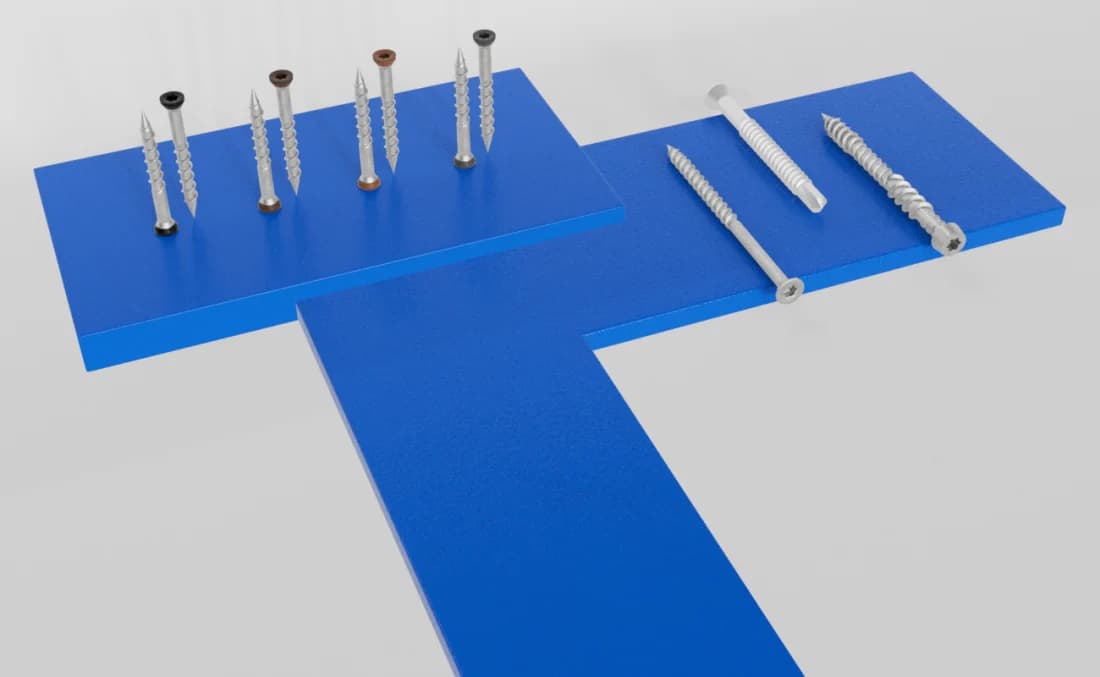
These fasteners are designed to resist corrosion from both the treated wood and the galvanized steel.
Using standard steel bolts directly against the aluminum and treated wood would be a significant galvanic corrosion risk. Instead, stainless steel bolts (e.g., 316-grade for enhanced corrosion resistance) should be selected. To further isolate the aluminum from the treated wood and potentially dissimilar washers/nuts, non-conductive washers (such as nylon or neoprene) should be used on both sides of the aluminum post and between the bolt head/nut and the wood surface. This creates a barrier, breaking the electrical path and preventing direct contact between the dissimilar metals and the corrosive wood chemicals.
This example highlights the need to consider each connection point and the materials involved to specify a compatible, long-lasting solution.
Before you order
- Identify all metal components in your deck project, including fasteners, connectors, railings, and flashing.
- Determine which metals will be in direct or indirect contact with each other.
- Check the galvanic compatibility chart for the identified metal pairings.
- Consult product specifications and manufacturer recommendations for fasteners and connectors, especially for use with pressure-treated lumber.
- Consider using non-conductive barriers (washers, sleeves) to separate dissimilar metals where direct contact is unavoidable.
- Inspect fasteners and coated components for damage that could expose incompatible metals.
- Plan for proper drainage to minimize moisture exposure to metal connections.
Confirm installation details, approved uses and warranty terms in the current instructions for the exact product and profile. Your installer should verify the substrate, structure and applicable project requirements.
Questions to help you decide
What happens if I use incompatible metals in my deck?
This can compromise the safety and lifespan of your deck over time, potentially leading to costly repairs or structural failure.
Are all stainless steel fasteners compatible with all other metals?
No, not all stainless steel fasteners are universally compatible. While stainless steel is generally corrosion-resistant, certain grades can still cause or be susceptible to galvanic corrosion when paired with significantly dissimilar metals (e.g., some types of aluminum or galvanized steel) in the presence of an electrolyte. Always refer to a galvanic compatibility chart and manufacturer guidelines for specific pairings.
How can I check if a fastener is rated for pressure-treated lumber?
Fasteners rated for pressure-treated lumber will typically have specific markings or labeling on their packaging indicating this suitability. Look for terms like "ACQ Compatible," "Treated Wood Approved," or specific coating designations (e.g., hot-dip galvanized meeting ASTM A153, or specialized polymer coatings). Always check the product's technical data sheet or manufacturer website for confirmation.
Request a Material Quote for Your Deck Hardware
Ensure your deck project benefits from the right hardware. Provide your project dimensions, exact profile, and ZIP code to request a material quote. We can help confirm current availability and service options for professional deck hardware and installation accessories.
Request a material quote →