Why Inspect Compatibility?
Every deck project, whether new construction or renovation, relies on a system of interconnected components. Fasteners, clips, plugs, spacers, and installation tools are designed to work within certain parameters. A mismatch in any part of this system can lead to compromised performance, aesthetic imperfections, or even structural issues over time. For example, using an incompatible fastener with a specific deck board material might result in splitting, poor hold, or premature corrosion.
Inspecting compatibility ensures that each element contributes positively to the overall project. This proactive approach helps to avoid common pitfalls such as stripped screws, damaged board surfaces, or fasteners that do not provide adequate structural connection. It's about building confidence in your deck's long-term stability and appearance.
Understanding Your Deck Material System
The foundation of any compatibility inspection begins with a clear understanding of your deck's primary material. Hardwood, composite, and PVC deck boards each have distinct characteristics and require specific fastening and accessory solutions. For instance, hardwood deck systems often necessitate specialized fastening systems and installation tools designed to accommodate the wood's density and movement.
Similarly, the framing material—whether treated lumber, steel, or aluminum—will dictate the type of structural connectors and fasteners required. Each material system demands a tailored approach to ensure that the chosen hardware provides a secure and lasting connection. Always refer to the manufacturer's guidelines for both your deck boards and framing for recommended hardware types.
Fasteners: The Critical Connection
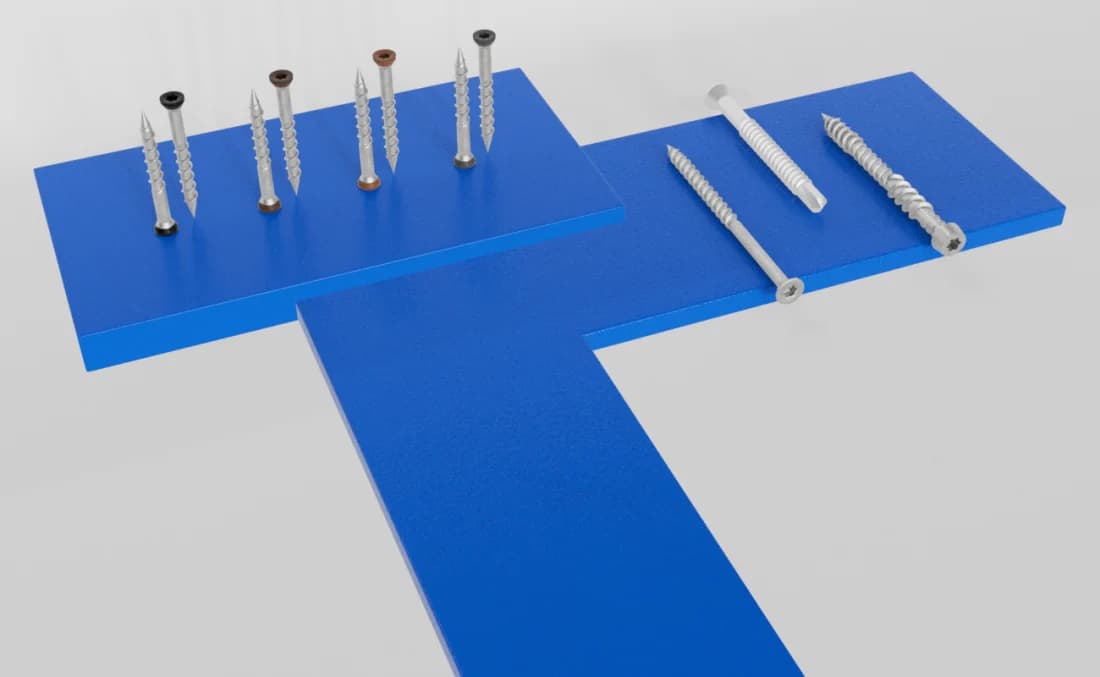
Fasteners are the backbone of your deck's assembly. Their compatibility with both the deck board and the underlying structure is paramount. Consider the type of fastener (screws, clips, hidden fastening systems), material (stainless steel, coated steel), and size (length, gauge, head type). For hardwood decks, specialized screws designed to resist splitting and provide strong pull-out resistance are often recommended. Hidden fastening systems, such as those from US4, require specific clips that fit precisely into the board's grooved profile.
A common oversight is using fasteners that are too short or too long for the application, or those with incompatible coatings that may react with treated lumber. Always verify that the fastener's length provides adequate embedment into the joist while not protruding through the board. For hidden clip systems, ensure the clip profile matches the board's groove exactly to achieve a secure and consistent spacing.
Installation Tools and Accessories
The right tools and accessories are as important as the fasteners themselves. This includes driver bits, drill bits, countersinking tools, and any specialized jigs for hidden fastening systems. A mismatch here can lead to stripped screw heads, improperly seated fasteners, or damage to the deck boards.
For example, using the incorrect driver bit for a screw type can strip the screw head, making installation difficult and removal nearly impossible. Similarly, if pilot holes are required for hardwood installations, selecting the correct drill bit size is crucial to prevent splitting. When using hidden clip systems, ensure your installation tools, such as specific drivers or guides, are compatible with the clip design for proper alignment and secure fastening.
Worked Example: Hidden Fastener System for Hardwood Decking
Let's consider a hypothetical project: installing a 12-foot by 16-foot hardwood deck using a hidden fastening system. The chosen deck boards are 5.5 inches wide and have a specific groove profile designed for hidden clips.
1. **Deck Board and Clip Compatibility:** The first step is to confirm that the selected hidden clips are explicitly designed for the 5.5-inch wide hardwood boards and their specific groove profile. For instance, if using US4 hidden clips, verify the clip model number matches the board manufacturer's recommendations. An incompatible clip might not seat correctly, leading to uneven spacing or a weak connection.
Verify that these fasteners (e.g., stainless steel screws) are appropriate for treated lumber joists.
If the system requires a specific installation tool or jig to properly align and set the clips, ensure it's on hand and compatible with the board width and clip design. For instance, some systems use a spacer tool to maintain consistent gaps between boards.
By systematically checking each component against the others and the project requirements, potential issues like clips not fitting, screws stripping, or inadequate structural hold can be identified and corrected before installation begins.
Final Checks and Best Practices
Before commencing the main installation, perform a small test assembly with a few boards, clips, and fasteners on a scrap section of joist. This allows you to visually confirm fit, assess ease of installation, and verify that the finished appearance meets expectations. Pay attention to the spacing between boards, how securely the fasteners engage, and whether any tools cause undue stress or damage to the materials.
Always keep product documentation, installation guides, and any technical specifications on hand for all components. If you encounter any uncertainties, consult the manufacturer's instructions or reach out to Lumber Plus for guidance. Documenting your choices and the results of your compatibility checks can be valuable for future reference or maintenance.
Before you order
- Have I identified the exact type and dimensions of my deck boards (hardwood, composite, PVC)?
- Do I know the material and dimensions of my deck framing (treated lumber, steel, aluminum)?
- Are the chosen fasteners (screws, clips, hidden systems) explicitly compatible with both the deck boards and the framing material?
- Have I verified the correct length and gauge of fasteners for adequate penetration without protrusion?
- If using a hidden fastening system, does the clip profile precisely match the groove of the deck boards?
- Are all required installation tools (driver bits, drill bits, countersinks, jigs) compatible with the chosen fasteners and deck system?
- Have I performed a small test assembly to visually confirm fit, spacing, and ease of installation?
- Do I have all manufacturer installation guides and technical specifications for each component?
- Have I considered any specific environmental factors (e.g., coastal exposure) that might influence material compatibility?
- Have I confirmed that all selected components align with local building codes, if applicable?
Confirm installation details, approved uses and warranty terms in the current instructions for the exact product and profile. Your installer should verify the substrate, structure and applicable project requirements.
Questions to help you decide
What happens if I use incompatible fasteners?
Using incompatible fasteners can lead to a range of problems, including stripped screw heads, insufficient holding power, splitting of deck boards, corrosion, or even structural failure. It can compromise the safety and longevity of your deck.
How do I check compatibility for hidden fastening systems?
For hidden fastening systems, you must verify that the specific clips are designed for the exact groove profile and thickness of your deck boards. Also, ensure the fasteners provided with the clips are suitable for your joist material. A small test installation is highly recommended to confirm proper fit and function.
Should I test tools before starting the full installation?
Yes, it is highly advisable to test your installation tools with a few scrap pieces of your deck boards and framing. This helps ensure that driver bits fit securely, drill bits create appropriate pilot holes without splitting, and any specialized jigs function as intended, preventing damage during the main project.
Ready to Plan Your Deck Hardware Needs?
Provide your project dimensions, desired deck board profile, and ZIP code to request a material quote. We can help confirm current availability and service options for your deck hardware and accessories. Visit our website to get started.
Request a material quote →