Understanding Your Decking Material and Its Finish
The first step in ensuring compatibility is to thoroughly understand your primary decking material. Whether you're working with natural hardwood, composite, or PVC, each material has distinct properties that influence the choice of hardware and accessories. Hardwoods, for example, can be dense and may require specific fasteners and pre-drilling techniques to prevent splitting. Composites and PVC, while often more dimensionally stable, have specific requirements for fasteners that account for their expansion and contraction characteristics.
Beyond the material itself, consider any planned finishes. Will your hardwood deck be stained, sealed, or left to weather naturally? Will a composite deck require specific cleaning agents or protective coatings? These finish choices can dictate the type of hardware that is suitable. For instance, some fasteners are designed to be hidden, while others are visible and come in various finishes to complement or contrast with the deck surface. The interaction between the finish, the decking, and the hardware is crucial for both aesthetics and durability. (S1)
Fasteners: The Foundation of Compatibility
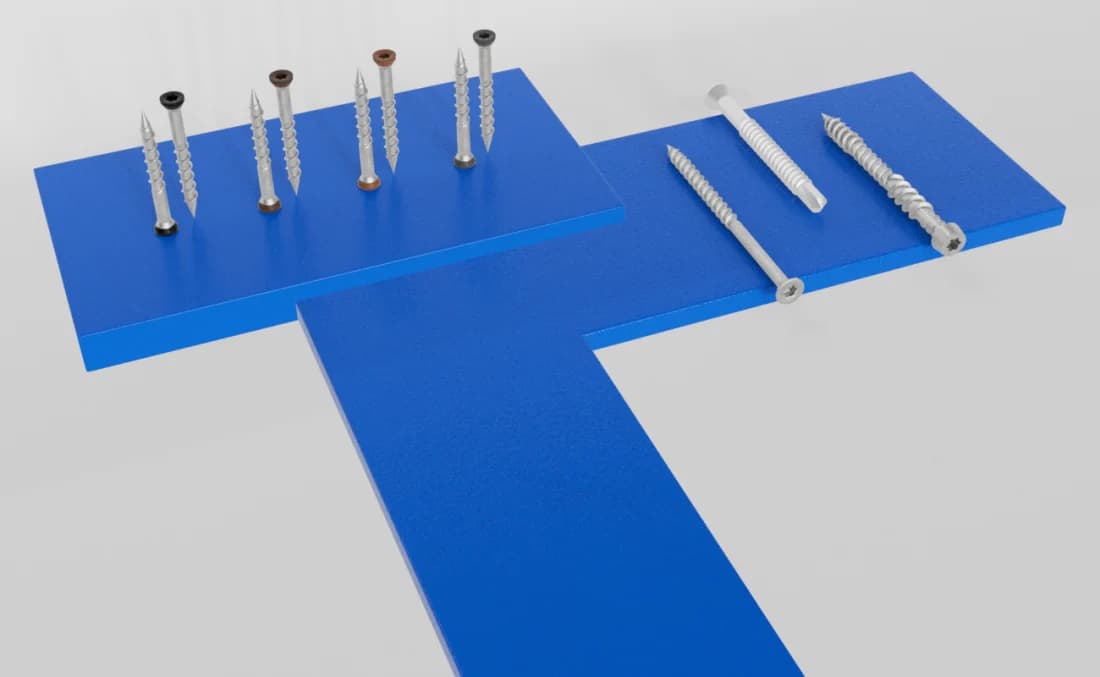
Fasteners are arguably the most critical component when considering compatibility. Their material, coating, and design must align with both the decking and the structural framing. For instance, fasteners for pressure-treated lumber often require specific corrosion resistance to prevent adverse chemical reactions that can degrade both the fastener and the wood over time.
Hidden fastening systems, such as clips, demand careful verification. These systems are typically designed for specific decking profiles and manufacturers. A clip designed for one brand of composite decking may not fit another, or it might not provide the necessary hold for hardwood. Always consult the decking manufacturer's guidelines for recommended fastening systems to ensure structural integrity and to maintain any product warranties. (S1)
Accessory Materials and Their Interaction
Beyond fasteners, consider all other accessories that will be part of your deck system. This includes railing components, post bases, stair hardware, and even decorative elements. When selecting these, pay close attention to the material they are made from. Galvanized steel, powder-coated steel, aluminum, and various grades of stainless steel all have different properties and aesthetic qualities. Mixing dissimilar metals, particularly in the presence of moisture, can lead to galvanic corrosion, which can weaken components over time.
For example, if your deck features aluminum railings, ensure that any fasteners or connectors used to attach them to the decking or framing are also compatible with aluminum, or that appropriate isolators are used. The goal is to create a cohesive system where all materials coexist without detrimental interactions. (S1)
Integrated Lighting and Electrical Components
Integrated lighting can enhance the usability and aesthetics of a deck. However, these components introduce electrical considerations and their own set of compatibility requirements. Deck lighting, whether integrated into stairs, posts, or deck boards, must be rated for outdoor use and be resistant to moisture and UV exposure. The housing material of the lights should also be compatible with the decking material to prevent staining or degradation.
When planning for lighting, consider how the wiring will be routed and protected. This often involves specific clips, conduits, or channels that need to be secured to the deck structure without compromising its integrity or the decking surface. Ensure that any drilling or cutting for light installation does not interfere with structural elements or compromise the weather resistance of the deck. (S1)
Worked Example: Selecting Hardware for a Hardwood Deck with Hidden Fasteners
The homeowner desires a clean, fastener-free surface. This requires a hidden fastening system. Given the density of Ipe, a side-fastening clip system that allows for slight board movement is often recommended.
For this project, the critical compatibility checks include:
It should be made of a material (e.g., stainless steel or a high-performance polymer with stainless steel inserts) that resists corrosion and provides adequate holding power without splitting the Ipe. The clips themselves often come with compatible stainless steel screws.
This typically means hot-dipped galvanized or stainless steel (305 or 316 grade) to prevent corrosion from the wood treatment chemicals.
If left to weather, the hardware must withstand UV and moisture exposure without degrading or leaching into the wood.
By systematically checking each interface, the project ensures a durable, aesthetically pleasing, and structurally sound deck. This is a material estimate, actual needs may vary based on exact layout and cuts.
Before you order
- Identify your primary decking material (hardwood, composite, PVC).
- Determine your desired deck finish (stain, seal, natural weathering, specific coating).
- Select fasteners (hidden clips, face screws) specifically approved for your decking material and framing type.
- Verify the material and coating of all fasteners for corrosion resistance and compatibility with treated lumber or other structural components.
- Check all accessory materials (railings, post bases, lighting housings) for compatibility with decking and fasteners, especially for galvanic corrosion potential.
- Confirm any integrated lighting components are outdoor-rated and their housing materials are compatible with the deck surface.
- Review manufacturer specifications for all products to ensure cross-compatibility before purchase.
- Consider the long-term maintenance implications of your chosen finish system and hardware.
Confirm installation details, approved uses and warranty terms in the current instructions for the exact product and profile. Your installer should verify the substrate, structure and applicable project requirements.
Questions to help you decide
Why is finish compatibility important for deck hardware?
Finish compatibility is crucial because mismatched materials can lead to several problems: cosmetic issues like staining or discoloration, premature corrosion of hardware, degradation of the decking material, and even structural weakening. For example, certain chemicals in pressure-treated lumber can corrode standard steel fasteners, requiring specific coated or stainless steel options.
Can I mix different metal types for my deck hardware?
Mixing different metal types, especially in outdoor environments with moisture, can lead to galvanic corrosion. This occurs when two dissimilar metals are in electrical contact in the presence of an electrolyte (like water), causing the less noble metal to corrode preferentially. It's generally best to use fasteners and hardware of the same or compatible metal types (e.g., stainless steel with stainless steel, or specific coated fasteners approved for use with different metals). Always consult product specifications.
How do I ensure hidden fastening systems are compatible with my deck boards?
To ensure compatibility, always refer to the decking manufacturer's recommendations for hidden fastening systems. These systems are often engineered for specific board profiles, thicknesses, and materials. Using an unapproved system can lead to improper board spacing, inadequate hold, or voiding product warranties. Verify that the clip material and the screws supplied are suitable for your decking material and framing.
Ready to Plan Your Deck Hardware and Accessories?
Request a material quote for your project. Provide your project dimensions, desired deck profile, and ZIP code to confirm current availability and service options for all your deck hardware needs. (S1)
Request a material quote →