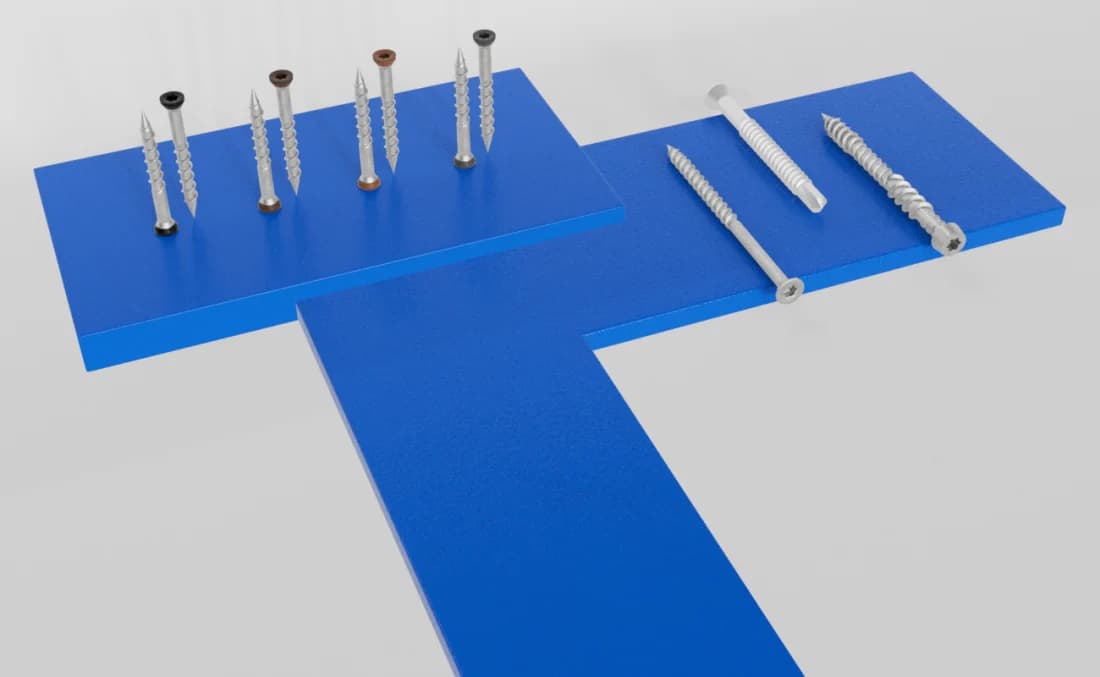
Understanding Deck Fascia and Its Role
Deck fascia boards serve as a decorative trim that conceals the substructure of your deck, specifically the rim joists and the ends of the deck boards. They provide a finished look, similar to trim on a house, and are typically installed vertically along the deck's perimeter. While not a primary structural component, proper fastening is essential to prevent warping, gapping, or detachment, especially given their exposure to weather and temperature fluctuations.
The choice of fascia material often mirrors or complements the deck board material, whether it's hardwood, composite, or PVC. This continuity in material helps maintain a cohesive aesthetic, but each material type can have specific requirements for fasteners.
Fascia Fastener Types and Their Applications
Several types of fasteners are suitable for deck fascia, each with its own advantages. The most common options include face screws, trim screws, and specialized fascia fastening systems. The selection often depends on the fascia material, the desired aesthetic, and the level of concealment required.
Face screws are a straightforward option, providing a strong hold. They are visible, so color-matched screws or those designed to blend with the fascia material are often preferred. Trim screws are typically smaller in diameter with a smaller head, designed to be less conspicuous. Some trim screws are engineered to create a smaller pilot hole, reducing the risk of splitting, especially in denser materials. Specialized fascia fastening systems might include clips or hidden fasteners that allow for expansion and contraction of the fascia board while minimizing visible hardware. These systems often require specific grooved fascia boards or proprietary installation tools.
For hardwood fascia, stainless steel or coated screws are often recommended to prevent staining and ensure corrosion resistance. For composite and PVC fascia, manufacturers often specify compatible screws that account for the material's expansion and contraction properties, sometimes including plugs for a completely hidden fastener look. Always consult the fascia manufacturer's recommendations for their specific product.
For a clean finished surface, Lumber Plus offers a range of deck fastening systems and installation tools. These are selected around the material system, ensuring compatibility and optimal results. For more details, explore our full range of <a href="/hardware-and-accessories">Deck Hardware, Accessories, Lighting & Maintenance</a>.
Material Compatibility: Preventing Issues
Fasteners must be compatible with both the fascia material and any treated lumber in the deck's substructure.
When fastening into treated lumber, select fasteners that are approved for use with treated wood. These typically have specific coatings or are made from materials like stainless steel (e.g., US4 brand fasteners) that resist the corrosive chemicals in treated lumber. Using incompatible fasteners can lead to premature corrosion, fastener failure, and unsightly staining on the fascia board.
For composite and PVC fascia, ensure the fasteners are designed to accommodate the thermal expansion and contraction of these materials. Some manufacturers offer specific 'fascia screws' that have a larger unthreaded shank to allow the fascia to move without pulling through the screw head or causing buckling. For specialized applications, our <a href="/brands/us4">US4 brand fasteners</a> offer a variety of solutions for demanding assemblies.
Installation Considerations and Best Practices
Proper installation techniques are crucial for the longevity and appearance of your fascia. Always pre-drill pilot holes, especially when working with hardwood or dense composite materials, to prevent splitting and ensure the screw drives cleanly. The size of the pilot hole should match the fastener manufacturer's recommendation.
When installing fascia boards, consider spacing. While fascia is generally installed snugly, some materials, particularly composites and PVC, may require a small gap to allow for expansion and contraction. Refer to the specific fascia board manufacturer's instructions for recommended spacing and fastening patterns. Over-tightening fasteners can dimple the fascia surface or restrict movement, leading to buckling.
For a professional finish, consider using countersinking accessories to recess screw heads below the surface, which can then be covered with color-matched plugs or fillers, if applicable. This creates a smooth, uninterrupted surface. Lumber Plus offers a variety of installation and finishing tools selected around the material system to help achieve these results.
Worked Example: Fascia Fastening for a Composite Deck
Let's consider a hypothetical deck project where the main deck boards are composite, and the homeowner desires a clean, finished look for the fascia. The deck has a perimeter of 40 linear feet, requiring composite fascia boards that are 12 feet long each.
First, determine the quantity of fascia boards: 40 linear feet / 12 feet per board = 3.33, so 4 boards would be purchased, allowing for cuts and waste.
The fasteners selected should be corrosion-resistant (e.g., stainless steel or specifically coated for treated lumber, if the rim joist is treated). The manufacturer's instructions for the composite fascia board explicitly state to pre-drill with a 1/8-inch bit and to avoid over-tightening to allow for material movement. The homeowner also plans to use color-matched plugs, requiring a countersinking bit compatible with the screw head and plug size.
Before you order
- Identify fascia material (hardwood, composite, PVC) and its specific fastening recommendations.
- Determine if the substructure (rim joist) is treated lumber and select compatible fasteners.
- Choose between visible face screws, trim screws, or hidden fastening systems based on aesthetic preference.
- Verify fastener material (stainless steel, coated) for corrosion resistance and compatibility.
- Calculate the required quantity of fasteners based on fascia board length and recommended spacing.
- Plan for pre-drilling and countersinking, selecting appropriate drill bits and accessories.
- Confirm any specific installation instructions from the fascia board manufacturer regarding spacing or torque.
Confirm installation details, approved uses and warranty terms in the current instructions for the exact product and profile. Your installer should verify the substrate, structure and applicable project requirements.
Questions to help you decide
Can I use the same screws for my deck boards and fascia?
While some screws may be suitable for both, it's often recommended to use fasteners specifically designed for fascia. Fascia boards are typically thinner and subject to different stresses and expansion/contraction than deck boards. Fascia screws often have specific head designs or unthreaded shanks to accommodate these differences and prevent issues like buckling or pull-through. Always check manufacturer recommendations for both your deck boards and fascia.
How do I prevent 'ghosting' or staining on my fascia from fasteners?
Ghosting or staining, especially on lighter-colored fascia, is usually caused by corrosion of incompatible fasteners. To prevent this, always use corrosion-resistant fasteners, such as stainless steel or those with approved coatings for exterior use and treated lumber. Avoid using standard galvanized or zinc-plated screws, as these can react with moisture and wood tannins or treated wood chemicals, leading to dark stains. Pre-drilling can also help prevent wood fibers from being pushed out and trapping moisture around the fastener head.
What is the recommended spacing for fascia fasteners?
The recommended spacing for fascia fasteners can vary based on the fascia material, its thickness, and the manufacturer's guidelines. For composite and PVC fascia, some manufacturers recommend slightly looser fastening or specific screw types to allow for thermal expansion and contraction. Always consult the installation instructions provided by your fascia board manufacturer for precise recommendations.
Request a Material Quote for Your Deck Fascia Project
Ready to finalize your deck fascia plans? Provide your project dimensions, desired fascia profile, and ZIP code to request a material quote. Our team can help confirm current availability of deck hardware, accessories, and fascia fastening systems, along with service options for your project.
Request a material quote →