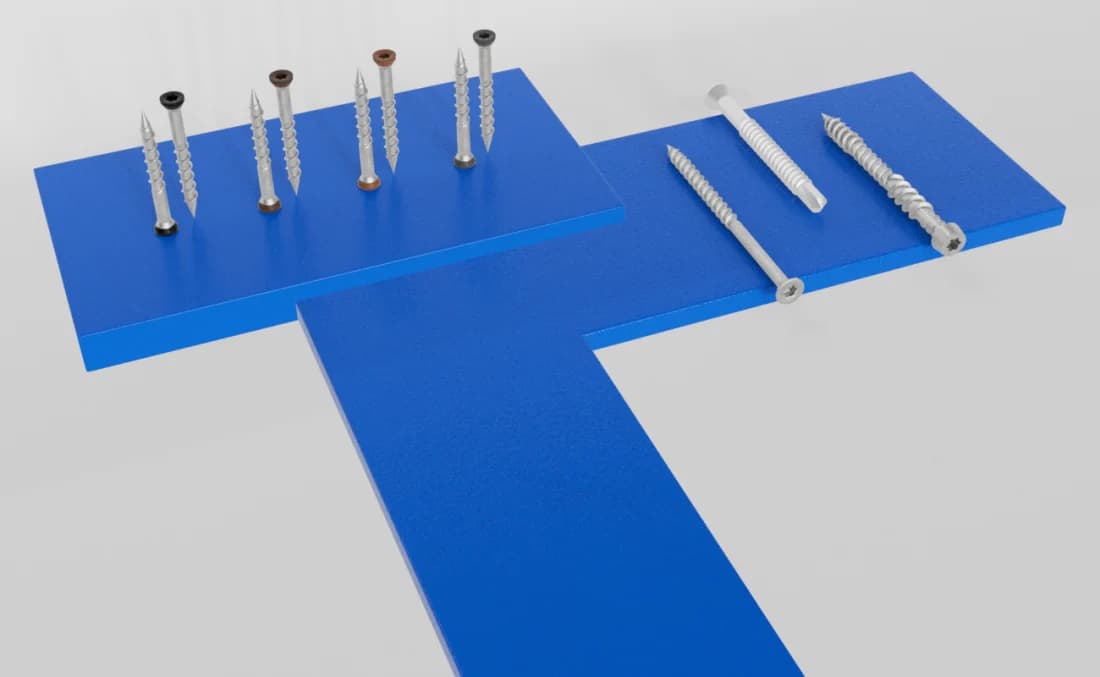
Understanding Face-Screw Systems
A face-screw system involves driving fasteners directly through the top surface of the deck board. This method is often chosen for its straightforward installation and strong mechanical connection. When executed well, with appropriate screws and countersinking, it creates a secure deck surface.
For a refined appearance, face screws can be paired with matching plugs. These plugs are inserted into pre-drilled and countersunk holes, concealing the screw head and creating a smooth, uninterrupted surface. This approach requires precise drilling and plugging to achieve the desired aesthetic.
Selecting Compatible Deck Boards and Screws
The first step in planning your face-screw system is to confirm that your chosen deck boards are suitable for this fastening method. Most solid wood and composite deck boards can be face-screwed, but always refer to the manufacturer's recommendations.
Next, select screws designed for exterior deck applications. These typically feature corrosion-resistant coatings or are made from stainless steel. Screw length is crucial: ensure screws are long enough to penetrate the deck board and provide adequate embedment into the joist, without protruding through the underside of the joist. The screw head type (e.g., bugle, trim, flat) should be compatible with your countersinking method and plug system, if using.
For example, US4 offers a range of fasteners suitable for demanding assemblies. When selecting, consider the material of your deck boards (e.g., hardwood, composite) to ensure the screw's thread design and drive type are appropriate for preventing splitting or stripping.
Planning for Plugs and Countersinking
If you opt for a plugged face-screw system, the compatibility between the plug and the deck board is paramount. Plugs are typically made from the same material or a closely matching material as the deck boards to ensure a seamless look. Many manufacturers offer pre-made plugs designed to fit their specific deck board profiles and screw systems.
Countersinking is the process of creating a tapered hole for the screw head to sit flush or slightly below the surface. When using plugs, a specialized countersink bit is often used to create a clean, consistent hole for both the screw and the plug. The depth and diameter of this countersink must precisely match the plug and screw head dimensions to ensure a tight, secure fit.
It is essential to verify that the screw system (including the screw head profile) and the plug system are designed to work together. A mismatch can lead to plugs that don't sit flush, come loose, or don't adequately conceal the screw.
Worked Example: Calculating Fastener Needs for a Hardwood Deck
Let's consider a hypothetical 10-foot by 12-foot hardwood deck.
First, determine the number of board rows. A 10-foot (120-inch) width, divided by 5.5-inch boards, means approximately 21.8 boards.
Next, calculate the number of joist crossings per board.
It is always wise to add 10-15% for waste, cuts, and potential errors.
This calculation assumes full-length boards and consistent joist spacing. Actual projects may require more detailed layouts for cut boards and irregular spacing.
Installation Considerations and Best Practices
Proper pilot drilling is essential when using face screws, especially with dense hardwoods, to prevent splitting. The pilot hole diameter should be slightly smaller than the screw's core diameter, not including the threads.
Consistent countersinking depth is critical for a uniform appearance, particularly when using plugs. Specialized drill bits that combine pilot drilling and countersinking in one step can help achieve this consistency. Always test on a scrap piece of your actual deck board material.
When installing plugs, use a waterproof adhesive for a secure bond. Ensure the grain of the plug aligns with the grain of the deck board for the most seamless look. Once the adhesive cures, the plugs can be sanded flush with the deck surface if desired, though some systems are designed for a perfect flush fit without sanding.
Maintaining Your Face-Screwed Deck
Even with a well-installed face-screw system, regular maintenance is important. Periodically inspect the deck surface for any loose screws or plugs. Re-drive any screws that have backed out slightly and re-glue or replace any loose plugs.
If using wood plugs, these will age and weather along with the deck boards. Applying a compatible stain or sealant to the entire deck, including the plugged areas, will help maintain a consistent appearance and protect the wood.
Before you order
- Confirm deck board material compatibility with face screws.
- Select corrosion-resistant screws appropriate for exterior use and board thickness.
- Verify screw length for adequate joist embedment.
- Choose a plug system (if desired) that is explicitly compatible with your deck boards and screw heads.
- Select a countersink bit that creates the correct hole dimensions for your chosen screws and plugs.
- Plan for pilot drilling, especially with dense hardwoods.
- Consider purchasing a combined pilot drill/countersink bit for consistency.
Confirm installation details, approved uses and warranty terms in the current instructions for the exact product and profile. Your installer should verify the substrate, structure and applicable project requirements.
Questions to help you decide
Can I use face screws with any type of deck board?
Most solid wood and many composite deck boards are suitable for face screws. However, always consult the deck board manufacturer's specific installation guidelines to confirm compatibility and any recommended screw types or installation methods.
What is the benefit of using plugs with face screws?
Plugs are used to conceal the heads of face screws, creating a smooth, uninterrupted deck surface. This offers a more refined aesthetic, especially with premium wood decking, by hiding the visible fasteners. They also help protect the screw heads from environmental exposure.
How do I ensure the plugs sit flush with the deck surface?
Achieving flush plugs requires precise countersinking. Use a dedicated countersink bit designed for the specific plug and screw system you are using. Consistent drilling depth is crucial. Test on a scrap piece of matching deck material before installing on the main deck. Some plug systems are designed for a tight, flush fit that may not require sanding, while others benefit from light sanding after the adhesive cures.
Ready to Plan Your Deck Fastening System?
Request a material quote with your project dimensions, desired deck board profile, and ZIP code. Our team can help confirm current availability and service options for all your deck hardware and accessory needs. Explore our selection of professional deck hardware and installation accessories at our main product page: /hardware-and-accessories. We also recommend checking US4 products for fastening solutions: /brands/us4.
Request a material quote →