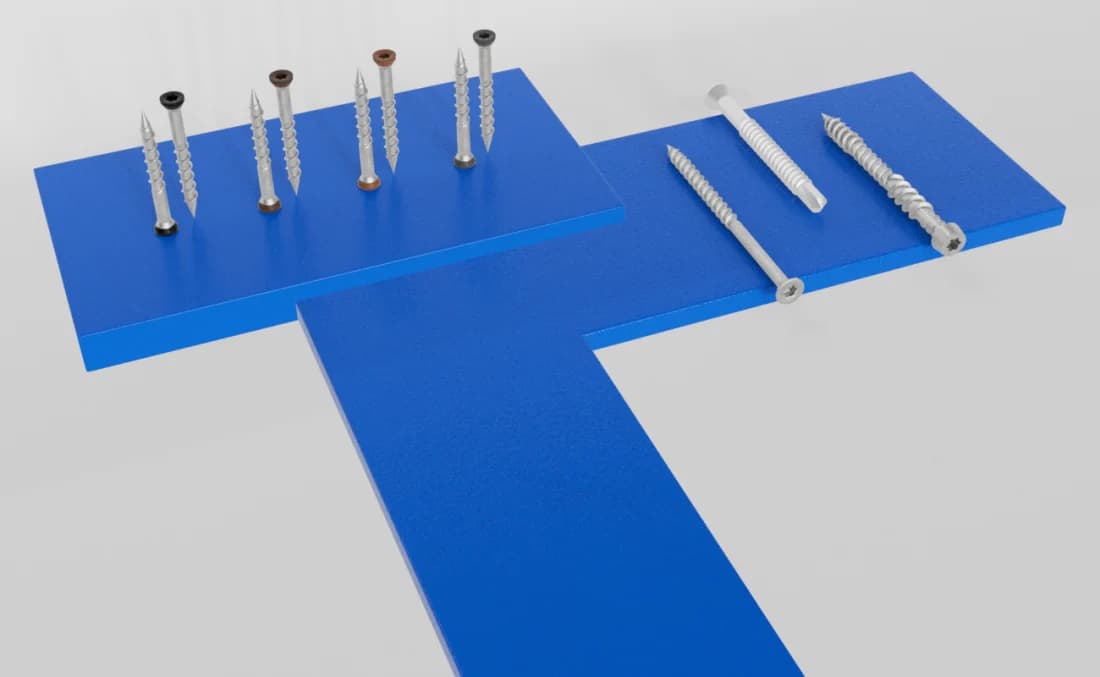
Initial Delivery Considerations for Deck Hardware and Accessories
When ordering deck hardware and accessories, confirm the delivery method and expected timeline. Larger items like structural connectors or bulk fastener boxes may arrive on pallets, while smaller, specialized tools or lighting components might come in individual packages. Understanding the scale and packaging of your order is the first step in planning for its arrival.
Communicate any site access restrictions to your supplier in advance. Narrow driveways, limited turning radius for delivery trucks, or overhead power lines can all impact where a delivery can be safely offloaded. Confirm if a liftgate service is required for heavy pallets if a forklift is not available on site. This proactive communication helps avoid costly redeliveries or unexpected delays.
On-Site Storage Strategies to Protect Materials
Once delivered, deck hardware and accessories need appropriate storage to protect them from weather, theft, and jobsite hazards. Fasteners, especially those made from steel or specialized alloys, are susceptible to moisture and can corrode if left exposed. Keep all metal components in their original, sealed packaging until ready for use.
Consider a secure, dry location such as a garage, shed, or a rented storage container. For items that must remain outdoors temporarily, use tarps or heavy-duty plastic sheeting to create a weather-resistant cover, ensuring adequate airflow to prevent condensation. Organize items by type or installation phase to simplify retrieval during construction. For example, group hidden clips with their corresponding starter and end components, and keep specialized tools separate from general fasteners.
Smaller, high-value items like specialized drill bits, plugs, or integrated lighting components should be stored in a lockable area to prevent loss or theft. Maintaining an inventory checklist during storage helps track components and identify any missing items before they become critical to the project timeline.
Jobsite Staging for Efficiency and Safety
Effective jobsite staging is about placing materials and tools where they are most accessible for installation, minimizing unnecessary movement and reducing the risk of accidents. Before beginning work, identify distinct zones for different categories of hardware and accessories.
For example, bulk fasteners and structural connectors might be staged closer to the primary framing area, while finish screws, plugs, and trim accessories could be kept near the deck surface installation zone. Always ensure that staged materials do not obstruct walkways, emergency exits, or active work areas. Maintain clear pathways for workers and equipment.
Utilize portable toolboxes, carts, or buckets to bring specific hardware sets to the immediate work area. This reduces the need to frequently return to the main storage area and keeps the necessary components within arm's reach. After each work session, consolidate tools and unused hardware to prevent them from being misplaced or damaged overnight.
Worked Example: Staging for a 12x16-foot Deck Project
Consider a hypothetical 12x16-foot deck project using hardwood decking. Here’s a possible staging plan:
Request liftgate service if no forklift is available. Small, high-value items like lighting and driver bits arrive via parcel service.
**Storage:**
1. **Main Storage (Garage):** Structural connectors and bulk hidden clips are stored on their pallet in the garage, covered with a tarp for dust protection. Face screws are in sealed containers on a shelf. This provides a dry, secure environment.
2. **Secure Storage (Locked Cabinet):** Integrated stair lighting kits and the specialized driver bit kit are placed in a locked cabinet within the garage to prevent theft.
**Jobsite Staging (Day of Installation):**
1. **Framing Phase:** Structural connectors are moved to a designated, clear area near the deck frame. A small, open-top bin is used to hold the connectors currently being installed, reducing trips to the garage.
2. **Decking Phase:** Boxes of hidden clips are brought to the edge of the deck frame. A bucket with a lid holds a day's supply of clips and the driver bit, moved along the deck as boards are installed. Perimeter face screws are placed in a separate small container near the deck edges.
3. **Finishing Phase:** Stair lighting kits are brought out from secure storage only when ready for installation, along with any necessary wiring accessories. Tools are kept in a portable toolbox that can be easily moved around the deck perimeter.
This plan ensures materials are protected, accessible, and organized, minimizing disruptions during construction.
Complementary Products for Your Deck Project
Beyond fasteners and connectors, several other products can enhance your deck project. Consider integrating exterior lighting to improve visibility and ambiance, such as post cap lights or stair riser lights. Maintaining your deck also requires specific cleaning and protection products designed for your chosen decking material. Explore options for cleaning solutions and protective coatings to extend the life and appearance of your deck.
For a complete outdoor living space, you might also consider synthetic turf options for adjacent areas, providing a low-maintenance green space that complements your new deck. Always ensure that any additional products selected are compatible with your decking material and the hardware used.
Before you order
- Confirm delivery method and site access requirements with your supplier.
- Identify a secure, dry storage location for all hardware and accessories.
- Plan for weather protection for items stored outdoors.
- Organize materials by type or installation phase.
- Designate clear staging zones on the jobsite.
- Ensure staged materials do not obstruct pathways or work areas.
- Utilize portable containers for active work areas.
- Maintain an inventory list to track components.
- Consolidate tools and unused hardware at the end of each day.
Confirm installation details, approved uses and warranty terms in the current instructions for the exact product and profile. Your installer should verify the substrate, structure and applicable project requirements.
Questions to help you decide
How do I protect deck hardware from weather on site?
Store metal hardware in its original sealed packaging in a dry, secure location like a garage or shed. If temporary outdoor storage is unavoidable, use heavy-duty tarps or plastic sheeting to cover materials, ensuring good airflow to prevent condensation. Raise items off the ground if possible to avoid direct contact with moisture.
What should I do if my delivery site has limited access?
Communicate any access restrictions (e.g., narrow driveways, overhead obstructions, steep inclines) to Lumber Plus when placing your order. This allows us to arrange appropriate delivery vehicles or services, such as a smaller truck or a liftgate, to ensure a safe and successful offload. Confirming these details upfront can prevent delays and additional costs.
How can I prevent theft of small, valuable deck accessories?
Keep high-value items such as integrated lighting components, specialized drill bits, or hidden clips in a locked storage area, such as a secure cabinet or toolbox, within a garage or shed. Only bring these items to the immediate work area when they are needed for installation, and return them to secure storage at the end of each workday.
Request a Material Quote for Your Deck Project
Planning your deck hardware and accessories delivery and staging is a crucial step. To get started, request a material quote with your project dimensions, exact profile, and ZIP code. We can help confirm current availability and service options for your location. You can explore our selection of professional deck hardware and installation accessories at our main product page: /hardware-and-accessories. We also offer related products from trusted brands like US4: /brands/us4.
Request a material quote →