Understanding Countersinking: Why It Matters
Countersinking is the process of creating a tapered or stepped recess for a screw head, allowing it to sit flush with or slightly below the surface of the material. This is crucial for several reasons in deck construction:
First, it provides a smoother, safer walking surface by eliminating protruding screw heads. Second, it can enhance the aesthetic appeal of the deck, especially when using face-fastened systems where fasteners are visible. Third, it helps prevent material splitting, particularly in hardwoods or dense composites, by creating space for the fastener's shoulder. Finally, for some applications, a countersunk fastener can contribute to a more secure connection by allowing the screw head to bear fully against the material without stripping.
Types of Countersink Tools
Countersink tools come in various designs, each suited for specific applications and fastener types:
Combination Drill and Countersink Bits: These popular tools combine a pilot drill bit with a countersink cutter, allowing you to drill the pilot hole and create the countersink in a single step. They are highly efficient for repetitive tasks.
Single-Flute Countersinks: These bits have a single cutting edge and are often used for cleaner cuts in softer materials or when precision is paramount. They can be slower but generally produce a smoother finish.
Multi-Flute Countersinks: With multiple cutting edges, these bits are more aggressive and efficient for faster material removal. They are common for general-purpose countersinking.
Adjustable Countersinks: Some tools feature adjustable collars or stops to control the depth of the countersink, ensuring consistent results across multiple fasteners. This is especially useful for achieving a uniform finish on a deck.
Specialized Decking Countersinks: Many manufacturers offer countersink bits specifically designed for decking, often with features like depth stops, wider pilot holes for specific screw gauges, and designs optimized for various deck board materials.
Matching Fastener Heads and Countersink Profiles
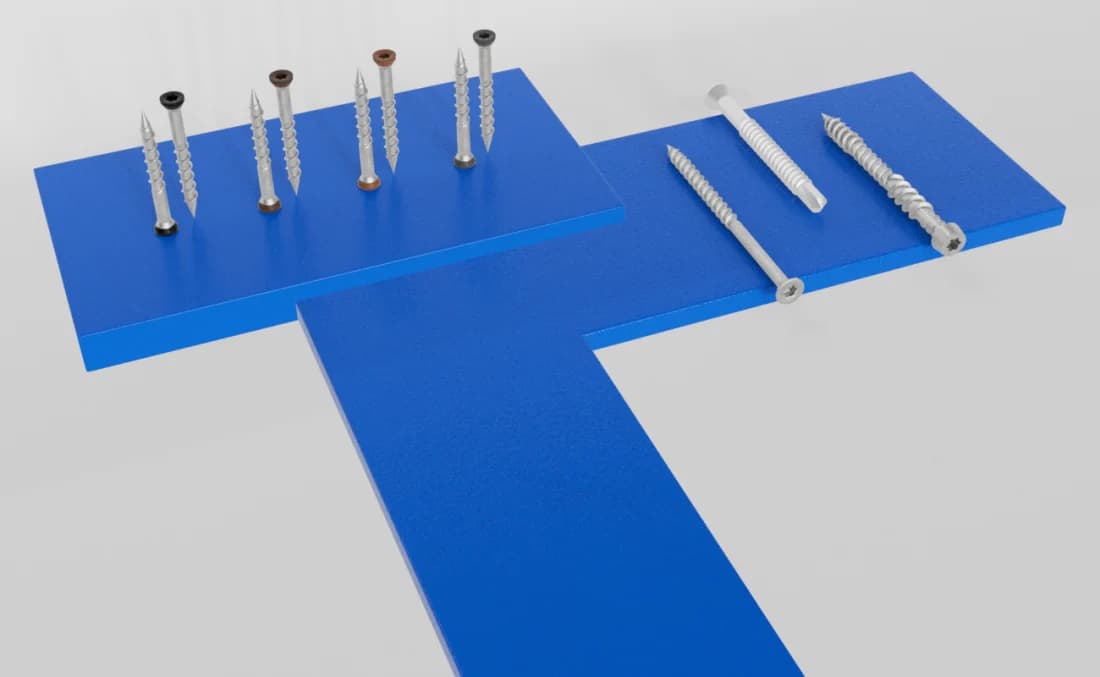
The most critical aspect of effective countersinking is matching the countersink profile to the head of your chosen fastener. Deck screws typically feature either flat-head or bugle-head designs.
A proper match ensures the screw head sits flush and provides maximum bearing surface.
Bugle-Head Screws: Often used in decking, bugle heads have a slightly rounded, conical underside. While they can self-countersink to some extent in softer materials, a dedicated bugle-head countersink or a standard conical countersink may be used to create a clean recess, especially in hardwoods or for a consistent finish. The goal is for the bugle head to sit snugly in the recess without crushing the wood fibers excessively.
Always verify the head angle of your chosen deck screws and select a countersink bit with a matching angle for the best fit and structural integrity.
Considerations for Different Decking Materials
The type of decking material significantly influences your countersinking choices:
Softwoods (e.g., Pressure-Treated Pine, Cedar): These materials are forgiving, and many deck screws will self-countersink effectively. However, using a countersink bit can still prevent splitting, especially near board ends, and ensure a more uniform finish. Adjustable depth stops are beneficial to avoid over-countersinking.
Hardwoods (e.g., Ipe, Tigerwood): Hardwoods are dense and prone to splitting. Pilot drilling is almost always required, and countersinking is essential to prevent damage and allow screws to seat properly. Use sharp, high-quality countersink bits designed for hardwoods.
Composite and PVC Decking: These synthetic materials can react differently to drilling and fastening. They may be more prone to mushrooming (material pushing up around the screw head) if not properly countersunk. Many composite deck screw systems include specialized bits that combine pilot drilling and countersinking, often with features to prevent mushrooming and create a clean hole. Always refer to the decking manufacturer's recommendations for pilot hole and countersink sizes for these materials.
Worked Example: Countersinking for a Hardwood Deck
The goal is a clean, flush finish.
1. This is a critical piece of information.
2. Material Specifics: Ipe is a dense hardwood, so pilot drilling and countersinking are mandatory to prevent splitting and ensure proper seating.
3. A combination drill/countersink bit with an adjustable depth stop would be ideal for efficiency and consistency. A US4 countersink bit designed for hardwood decking (e.g., a 5/32" pilot, 82-degree countersink with stop collar) would be a strong candidate. (See product: US4 Decking Countersink Bit).
4. Process: Before fastening each screw, the combination bit would be used to drill the pilot hole and countersink simultaneously to the desired depth, ensuring the screw head will sit perfectly flush with the Ipe surface. The adjustable stop collar helps maintain this depth across all fasteners, resulting in a uniform and professional appearance.
Before you order
- What type of deck board material are you using (softwood, hardwood, composite, PVC)?
- What is the head style of your fasteners (flat-head, bugle-head)?
- Do you need a flush finish, or can the fastener self-countersink partially?
- Will you be using a combination pilot drill/countersink bit or separate tools?
- Do you need an adjustable depth stop for consistent results?
- Have you tested your chosen countersink bit and fastener on a scrap piece of your actual decking material?
Confirm installation details, approved uses and warranty terms in the current instructions for the exact product and profile. Your installer should verify the substrate, structure and applicable project requirements.
Questions to help you decide
What happens if I don't countersink?
If you don't countersink, screw heads will protrude above the deck surface. This can create a rough walking surface, lead to snagging, and potentially cause injury. In dense materials, it can also lead to material splitting around the fastener as the head tries to force its way in.
Can I use a standard drill bit for countersinking?
A standard drill bit is designed to create a cylindrical hole, not a conical recess. While a larger drill bit can create a shallow, cylindrical recess, it will not properly seat a flat-head or bugle-head screw, which requires a tapered hole. This can result in a weaker connection and an unsightly finish. Specialized countersink bits are designed for this purpose.
How deep should I countersink?
The ideal depth for countersinking is typically so that the fastener head sits flush with the deck surface. For some applications, a very slight recess (e.g., 1/32" below the surface) might be desired. Adjustable depth stops on countersink bits are excellent for controlling this. Always test on a scrap piece to find the perfect depth for your specific fasteners and material.
Request a Material Quote for Your Deck Project
Ready to select the right deck hardware and accessories for your project? Provide your project dimensions, desired fastener profile, and ZIP code to request a material quote. Our team can help confirm current availability and service options for your fastening system needs. We offer professional deck hardware and installation accessories, including fastening and installation options for hardwood deck systems and installation and finishing tools selected around the material system. Bring the material, application, and drawings to the local team so the fastening system can be checked as one package.
Request a material quote →