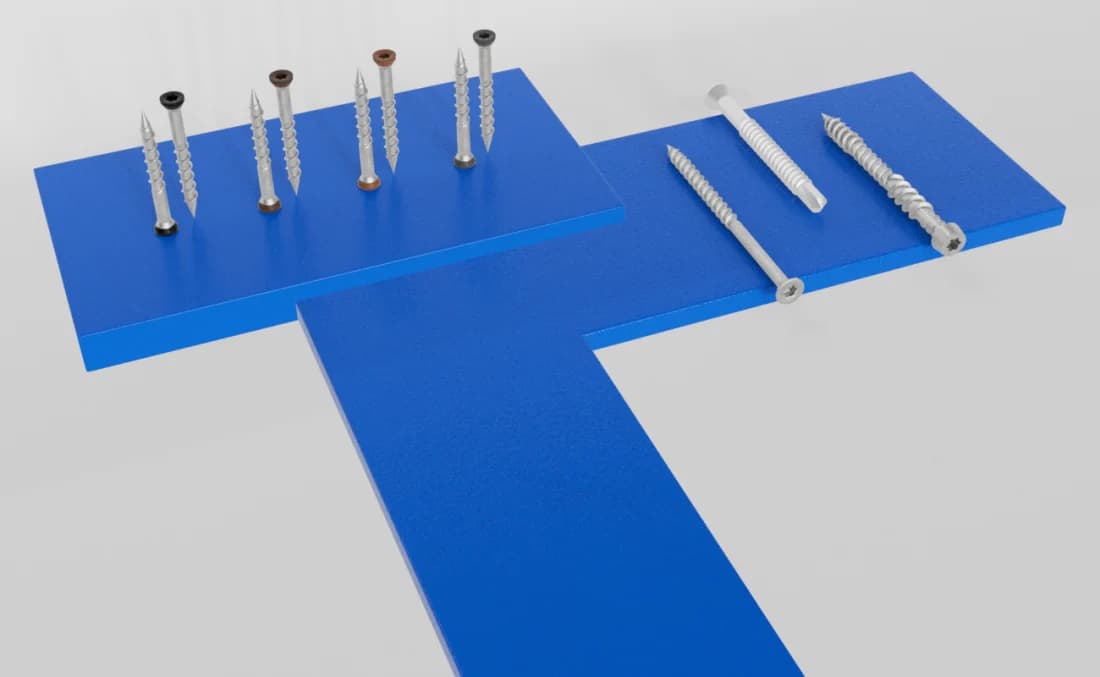
Understanding the Scope: Beyond the Deck Boards
While deck boards are the most visible component, a successful deck relies heavily on its underlying hardware and accessories. These include structural connectors, various fasteners, installation tools, and finishing elements. A clear understanding of the full material scope is essential for both you and your contractor.
Your contractor will need to consider not only the type of decking material (e.g., hardwood, composite, PVC) but also the framing material (e.g., treated lumber, steel, aluminum), the desired aesthetic (e.g., hidden fasteners, face-screws), and any integrated features like lighting or railing systems. Each of these choices impacts the specific hardware and accessories required.
The Contractor Handoff: Key Information for Ordering
The handoff to your contractor for material ordering should be comprehensive. It's more than just a list of items; it's a package of information that enables them to make informed decisions and procure the right products. This includes detailed drawings, material specifications, and any specific aesthetic preferences.
Provide your contractor with the final deck plans, including dimensions, elevations, and any specific notes on fastening methods. Highlight areas where specific hardware is required, such as stair connections, fascia attachments, or integrated lighting locations. The goal is to leave no room for assumption regarding the type, quantity, or placement of hardware.
Fastening Systems: Hidden vs. Face-Screw
One of the most significant decisions impacting deck hardware is the choice of fastening system. Hidden fastening systems, often utilizing clips or specialized connectors, offer a clean, unblemished deck surface. Face-screw systems, conversely, involve visible fasteners but can offer robust connections, especially for certain materials or structural needs.
If opting for a hidden system, confirm the specific clip type needed for your deck boards. For example, some hardwood deck systems use specific installation clips. If face-screws are preferred, discuss screw types, head styles, and any requirements for pre-drilling, countersinking, or matching plugs. These details directly influence the type of drill bits, drivers, and finishing tools required.
Structural Connectors and Specialized Hardware
Beyond surface fasteners, structural connectors are critical for the safety and longevity of your deck. These include joist hangers, post bases, and various brackets that ensure the integrity of the deck frame. Your contractor will need to specify these based on local building codes and the structural design of your deck.
Consider also specialized hardware for unique features. This might include adjustable pedestals for elevated deck systems, specific hardware for attaching railings, or components for integrating deck lighting. Each specialized item requires careful selection to ensure compatibility and proper function.
Integrated Lighting and Finishing Touches
Integrated lighting can transform a deck, extending its usability into the evening. Planning for lighting involves selecting appropriate fixtures for stairs, posts, and deck surfaces, as well as the necessary wiring, transformers, and controls. This should be discussed early to allow for proper routing and installation.
Finishing touches also include items like fascia support, trim fasteners, and any maintenance products. For wood decks, this might involve specific cleaners, sealers, or color retention treatments. For synthetic turf applications on a deck, the appropriate adhesive or securing methods would be needed. These details contribute to the overall aesthetic and long-term care of your deck.
Worked Example: Hidden Fastener Hardwood Deck
Let's consider a hypothetical 12-foot by 16-foot hardwood deck with a hidden fastening system. The contractor's material list will need to account for more than just the boards.
The total number of clips would be approximately the total linear footage of decking multiplied by the number of joists it crosses per foot, or more simply, the total number of boards multiplied by the number of joists each board crosses. Additionally, starter and end clips, specialized fasteners for border boards, and a compatible installation tool for the clips would be required. The contractor would also need drill bits for any pilot holes, driver bits for the clip screws, and potentially a specialized router bit for grooving board edges if the chosen hidden fastener system requires it for non-grooved boards. This level of detail, including the specific clip system, must be communicated and confirmed before ordering.
Before you order
- Final deck dimensions and layout confirmed with contractor.
- Decking material (hardwood, composite, PVC) specified.
- Framing material (treated lumber, steel, aluminum) confirmed.
- Primary fastening system (hidden clips, face-screws) decided.
- Specific hidden clip system (if applicable) identified and verified for compatibility with chosen decking.
- Face-screw type, size, and finish (if applicable) selected.
- Requirements for pre-drilling, countersinking, and plugs confirmed.
- All structural connectors (joist hangers, post bases) specified according to plans and codes.
- Hardware for railings and stairs detailed.
- Integrated lighting fixtures, wiring, and power supply planned.
- Fascia attachment method and hardware determined.
- Any specialized tools or accessories for installation identified.
- Maintenance and finishing products for the chosen decking material discussed.
- Confirmation of quantities for all hardware, accounting for waste and spares.
- Verification of product links and part numbers for all components.
Confirm installation details, approved uses and warranty terms in the current instructions for the exact product and profile. Your installer should verify the substrate, structure and applicable project requirements.
Questions to help you decide
Why is it important to involve my contractor in the hardware ordering process?
Your contractor possesses valuable expertise in installation methods, building codes, and product compatibility. Involving them ensures that all hardware and accessories are correctly specified for your deck's design, materials, and local requirements. This collaboration helps prevent costly errors, delays, and ensures the structural integrity and aesthetic outcome of your project.
How do I ensure the chosen hardware is compatible with my deck boards?
Always refer to the manufacturer's specifications for both your deck boards and the hardware. Many deck board manufacturers recommend specific fastening systems. Provide your contractor with the exact brand and profile of your chosen deck boards. They can then cross-reference this information with hardware specifications, especially for hidden clip systems or specialized fasteners, to confirm compatibility before placing an order. Lumber Plus can assist in checking the fastening system as one package.
What if my deck design requires custom hardware or non-standard solutions?
For custom or non-standard requirements, early and detailed discussion with your contractor is paramount. They can assess the feasibility, identify potential challenges, and recommend suitable alternatives or custom fabrication options. Be prepared to provide detailed drawings or sketches. Your contractor may also consult with product suppliers or engineers to ensure the custom solution meets structural and safety standards.
Ready to Plan Your Deck Hardware Order?
Bring your material, application details, and drawings to our team. Request a material quote for your project, specifying exact profiles and dimensions. Provide your ZIP code to confirm current availability and service options for all your deck hardware and accessory needs.
Request a material quote →