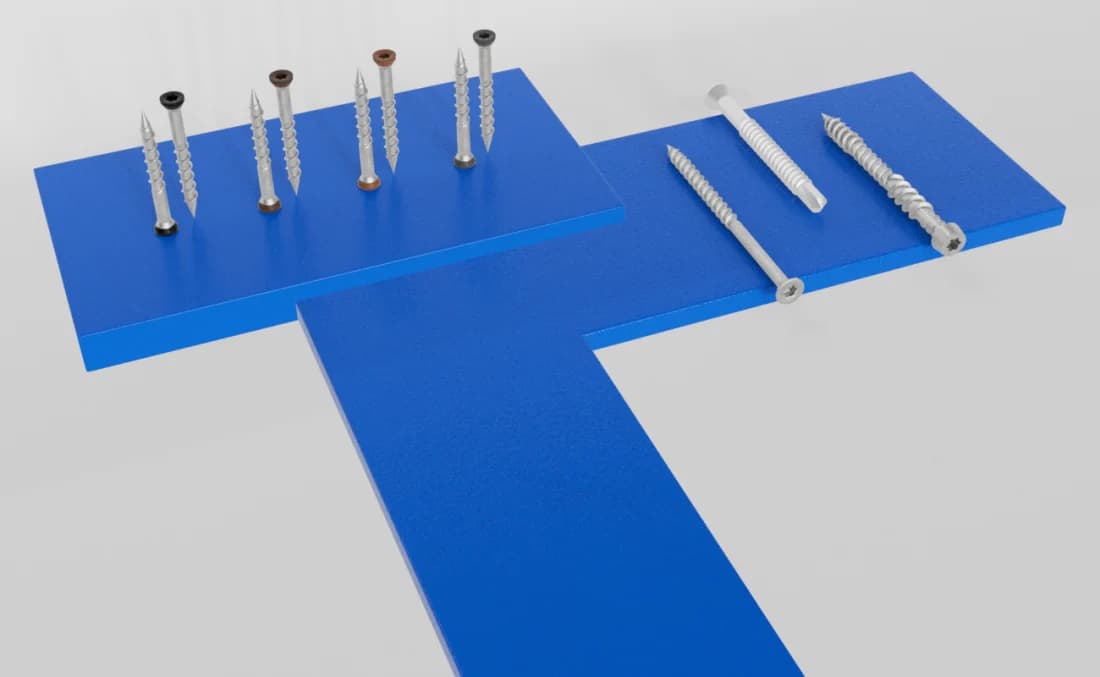
Identifying Core Consumables for Deck Fastening Systems
The first step in planning is to identify the core consumable items directly related to your deck's fastening system. This typically includes fasteners themselves, such as screws or clips, as well as the tools and accessories required for their installation. For instance, a face-screw system will require a specific type and quantity of deck screws, along with appropriate driver bits and potentially countersinking tools.
Conversely, a hidden clip system will necessitate the clips themselves, often specialized screws for those clips, and potentially a proprietary installation tool. Consider the material of your deck boards—hardwood, composite, or PVC—as this will dictate the type of fasteners and installation accessories that are compatible and recommended. Always refer to the manufacturer's guidelines for your chosen decking and fastening system.
Beyond the primary fasteners, think about starter clips, end clips, and border fastening solutions if your system uses them. These often differ from the main field clips and need to be accounted for separately. For stairs and fascia, specific fastening methods might require different lengths or types of screws, or even specialized brackets and connectors.
Drill Bits and Driver Bits: Matching to Material and Fastener
Drill bits are a common consumable, especially when pre-drilling is required for hardwood decking to prevent splitting or for specific fastener types. The size and type of drill bit must match the diameter of your fastener and the material being drilled. For example, a countersink bit might be needed to create a flush or recessed finish for screw heads, particularly with face-screwed applications.
Driver bits are equally important. These bits connect your power drill to the fastener. Mismatched driver bits can lead to stripped screw heads and damaged bits, causing project delays. Ensure the driver bit type (e.g., Phillips, Square, Torx) and size correspond exactly to the screw heads you are using. It is always prudent to have spare driver bits on hand, as they can wear out or break during continuous use, especially with dense decking materials.
When working with specific material systems, such as certain hardwood deck systems, specialized installation tools may be recommended or required by the manufacturer to achieve the intended result and ensure the integrity of the fastening. These tools often come with their own consumable components or specific bit requirements.
Cutting Tools: Blades and Router Bits
Cutting deck boards accurately requires the right saw blades. The type of blade will depend on your saw (circular saw, miter saw, jigsaw) and the decking material. For hardwood, a blade designed for cutting dense wood with a higher tooth count might be preferred for cleaner cuts. Composite and PVC decking may require specific blade types to prevent melting or excessive chipping. Having a spare blade or two is a good practice, as blades can dull or become damaged.
Router bits might be needed for specific detailing, such as creating custom edges, dados for specific trim applications, or if you are integrating custom features into your deck. The profile and size of the router bit must match the desired aesthetic and function. As with drill bits, ensure the router bits are suitable for the material you are working with to achieve clean, precise results.
Consider the overall scope of your project. If you anticipate extensive cutting or intricate detailing, the wear and tear on your blades and bits will be higher, necessitating a larger quantity of spares. This is particularly true for larger deck projects or those involving complex designs.
An Example: Estimating Consumables for a 200 sq ft Hardwood Deck
The deck dimensions are 10 feet by 20 feet.
1. **Deck Boards Calculation**: A 1x6 nominal board is approximately 5.5 inches wide. To cover 10 feet (120 inches) in width, you'd need 120 / 5.5 \u2248 21.8 boards. Let's round up to 22 boards. Each board is 20 feet long. Total linear feet of decking: 22 boards * 20 feet/board = 440 linear feet.
4. **Drill Bits**: For pre-drilling and countersinking, you'll need a pilot drill bit and a separate countersink bit, or a combined pre-drill/countersink bit. For specific pilot bit sizes, refer to the screw manufacturer's recommendations.
These wear out and can strip under load.
6. **Saw Blades**: For 440 linear feet of cuts, including end cuts and potential rips, plan for at least 2 high-quality circular saw blades appropriate for hardwood. If a miter saw is used extensively, consider an additional blade for that tool.
This example provides a framework. Actual quantities will vary based on specific product recommendations, project complexity, and individual working style. Always confirm the exact requirements with your chosen product documentation.
Planning for Miscellaneous Consumables and Spares
Beyond the primary fastening and cutting consumables, there are other miscellaneous items that contribute to a smooth project. These might include shims for leveling, spacers for consistent board gaps, marking tools, safety gear like gloves and eye protection, and cleaning supplies for the job site. While not directly part of the deck's structure, their absence can hinder progress.
It is always a good practice to plan for spares, especially for items prone to wear or breakage. This buffer accounts for unexpected issues, ensures you don't run out mid-task, and minimizes emergency trips to the store.
Consider the finish and maintenance aspects as well. If your hardwood deck requires a specific protective coating or stain, ensure you have the necessary applicators, rags, and cleaning solutions. Planning for these items upfront can save time and ensure a consistent application.
Requesting a Quote: Providing Project Details
When you're ready to request a material quote, providing detailed project information is essential for accurate consumable recommendations. Share your project dimensions, the specific decking material you've chosen (e.g., thermally modified wood, specific hardwood species, composite, PVC), and the intended fastening system (e.g., face-screw, hidden clips, specialized starter/end components).
Include any drawings or sketches you have. This allows our team to review the fastening system as one complete package and help identify any compatible structural connectors or fastening solutions for demanding assemblies. Specifying the desired connection with the surface and any integrated lighting options for decks, stairs, or rails will also help in identifying compatible accessories.
A comprehensive quote helps ensure you receive not only the primary decking materials but also the necessary installation tools, jobsite essentials, and finishing supplies. This integrated approach to planning can prevent omissions and ensure all components work together effectively.
Before you order
- Have I identified the specific fastening system (face-screw, hidden clip) for my deck?
- Do I know the recommended screw type, length, and quantity for my deck boards and framing?
- Have I accounted for specialized starter, end, or border fasteners if my system requires them?
- What type and quantity of drill bits (pilot, countersink) are needed for my material and fasteners?
- Have I matched the driver bit type and size to my chosen screws, and included spares?
- Are my saw blades compatible with my decking material (hardwood, composite, PVC) and have I included spares?
- Will I need any router bits for custom detailing, and are they compatible with my material?
- Have I included a buffer (10-15%) for all consumable items?
- Have I considered miscellaneous items like shims, spacers, marking tools, and safety gear?
- Do I have a plan for finishing and maintenance consumables (e.g., applicators, cleaners)?
- Am I prepared to provide my project dimensions, material choices, and fastening system details for an accurate quote?
Confirm installation details, approved uses and warranty terms in the current instructions for the exact product and profile. Your installer should verify the substrate, structure and applicable project requirements.
Questions to help you decide
How many spare drill bits should I buy for a deck project?
For a typical deck project, especially when working with denser materials like hardwood, it is advisable to have at least 2-3 spare pilot drill bits and 1-2 spare countersink bits (or combined bits). Drill bits can dull quickly or break if not used correctly, and having spares prevents project delays. The exact number depends on the total number of fasteners and the density of your decking material.
Are all driver bits interchangeable with deck screws?
No, driver bits are not universally interchangeable. They must precisely match the head type (e.g., Phillips, Square, Torx) and size of your deck screws. Using an incorrect driver bit can strip the screw head, damage the bit, and make installation difficult. Always verify the required driver bit for your specific deck screws and have a few spares on hand, as they can wear out over time.
What kind of saw blade is best for cutting composite decking?
For cutting composite decking, a carbide-tipped blade with a high tooth count (e.g., 60-80 teeth for a 10-inch blade) is generally recommended. Blades designed for plastics or non-ferrous metals can also work well. These blades help produce cleaner cuts and minimize chipping or melting of the composite material. Always consult the composite decking manufacturer's recommendations for specific blade types and cutting techniques.
Ready to Plan Your Deck Project Consumables?
Submit your project dimensions, exact profile, and ZIP code to request a material quote. Our team can help confirm current availability and service options for all your deck hardware, accessories, and consumables. Ensure your project has everything it needs from the start.
Request a material quote →