The Challenge of Coastal Corrosion
Coastal environments are characterized by airborne salt particles and consistent humidity, which accelerate corrosion in many common metals. This isn't just a surface issue; corrosion can compromise the structural integrity of fasteners and connectors over time. Understanding the types of corrosion, such as galvanic corrosion and pitting, is the first step in selecting appropriate materials.
Galvanic corrosion occurs when two dissimilar metals are in electrical contact in the presence of an electrolyte, like saltwater or moist air. One metal acts as an anode and corrodes faster, while the other acts as a cathode. This is why careful material matching is paramount. Pitting corrosion, often seen in stainless steels, manifests as small holes or pits on the surface, which can weaken the material even if the overall mass loss is minimal.
Understanding Stainless Steel Grades for Coastal Use
Stainless steel is a common choice for outdoor applications due to its corrosion resistance, but not all grades are equally suited for coastal exposure. Type 304 stainless steel offers good general corrosion resistance but may be susceptible to pitting in high-chloride environments. For more demanding coastal conditions, Type 316 stainless steel is generally recommended.
Type 316 stainless steel contains molybdenum, which enhances its resistance to chloride-induced corrosion, making it a more robust option for salt air and saltwater spray. When specifying fasteners, structural connectors, or other hardware, verifying the stainless steel grade is crucial. Look for clear documentation from the manufacturer indicating suitability for marine or coastal applications.
It is important to note that even 316 stainless steel is not entirely impervious to corrosion in all marine environments, especially if exposed to stagnant saltwater or specific chemical agents. Regular inspection and maintenance can help extend its lifespan.
Hot-Dip Galvanized Coatings: A Protective Layer
Hot-dip galvanization involves coating steel hardware with a layer of zinc. Zinc acts as a sacrificial coating, corroding preferentially to protect the underlying steel. This method offers a cost-effective solution for many outdoor applications, including some coastal uses, but its performance in severe marine environments can vary.
The thickness and quality of the galvanized coating are key factors. Thicker coatings generally provide longer protection. However, in direct saltwater immersion or areas with constant salt spray, even hot-dip galvanized hardware may have a limited lifespan compared to higher grades of stainless steel. Always check manufacturer specifications for the recommended application environment and ensure compatibility with treated lumber.
When using hot-dip galvanized fasteners, avoid mixing them with other metals that could induce galvanic corrosion. For instance, aluminum components should generally not be in direct contact with galvanized steel in coastal areas without an appropriate barrier.
Non-Metallic Alternatives and Barriers
In certain applications, non-metallic hardware components or barrier materials can offer additional protection. For example, plastic shims or washers can be used to isolate dissimilar metals, preventing galvanic corrosion. Some deck board fasteners are available with specialized coatings or are made from engineered polymers designed for outdoor longevity.
While non-metallic options may not be suitable for structural load-bearing applications, they can play a role in reducing corrosion in secondary connections or where fasteners are primarily for attachment rather than structural support. Always confirm the load-bearing capacity and application suitability of any non-metallic hardware.
Consider using impermeable barriers or coatings between metal components and pressure-treated lumber, especially in coastal areas. Some treated lumber chemicals can accelerate corrosion in certain metals, so verifying compatibility is an important step in your project planning.
Worked Example: Selecting Deck Hardware for a Coastal Boardwalk Section
Imagine you are planning a 10-foot by 4-foot boardwalk section for a private pathway leading to a beach, where it will be exposed to salt spray and periodic overwash. The boardwalk will use 2x6 pressure-treated southern yellow pine deck boards over a pressure-treated timber frame. You need to secure the deck boards to the joists and connect the structural frame components.
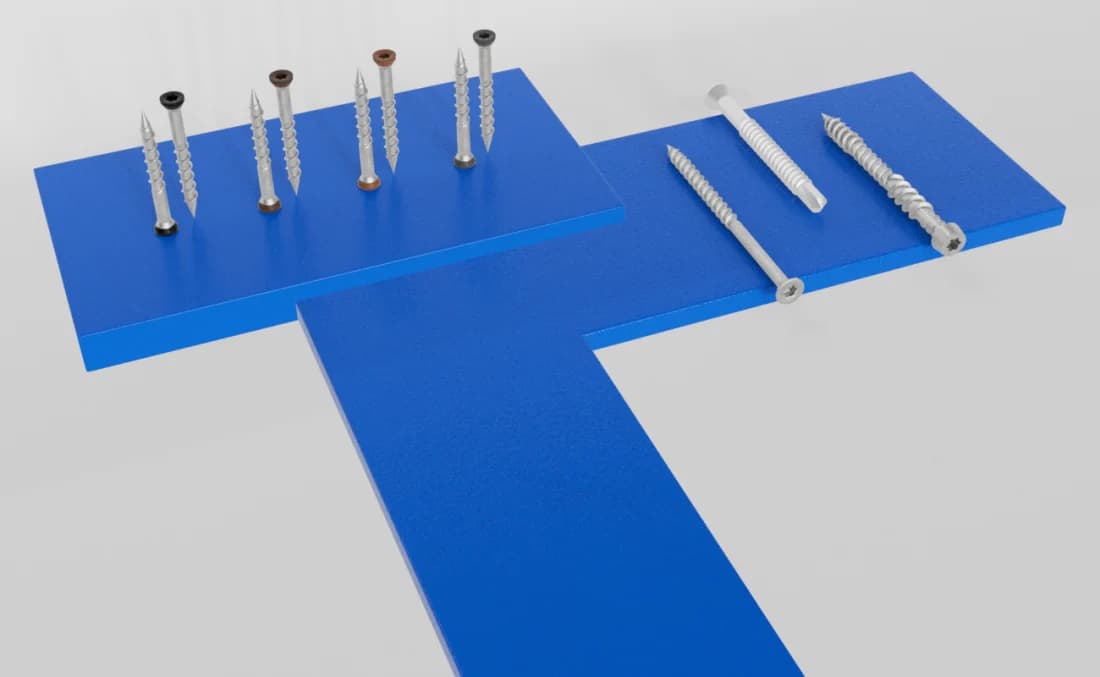
These components are available from brands like US4.
Always account for waste and future repairs when ordering quantities.
Before you order
- Identify the specific exposure level: direct salt spray, humid salt air, occasional submersion.
- Verify stainless steel grade: Type 316 is generally recommended for coastal applications over Type 304.
- Check hot-dip galvanization specifications: Confirm coating thickness and suitability for marine environments.
- Assess mixed-metal compatibility: Avoid direct contact between dissimilar metals unless an effective barrier is used.
- Review manufacturer documentation: Ensure hardware is explicitly rated or recommended for coastal or marine use.
- Consider non-metallic alternatives: For non-structural elements or as isolating barriers.
- Plan for maintenance: Understand that even corrosion-resistant materials benefit from regular cleaning and inspection.
- Confirm compatibility with treated lumber: Some lumber treatments require specific fastener types.
Confirm installation details, approved uses and warranty terms in the current instructions for the exact product and profile. Your installer should verify the substrate, structure and applicable project requirements.
Questions to help you decide
Can I use standard galvanized screws for my coastal deck?
While hot-dip galvanized screws offer good corrosion resistance in many outdoor settings, they may not be sufficient for direct salt spray or constant exposure to salt air. For coastal projects, Type 316 stainless steel is generally a more durable and recommended choice due to its superior resistance to chloride corrosion. Always consult manufacturer specifications for the intended application.
What is galvanic corrosion and how can I prevent it in coastal areas?
Galvanic corrosion occurs when two different metals are in electrical contact in an electrolyte, such as saltwater. One metal corrodes faster. For example, do not use aluminum components in direct contact with galvanized steel in a coastal setting without a barrier.
Do I need special tools for installing coastal deck hardware?
The tools required for installing coastal deck hardware are generally similar to those for any deck project (drills, drivers, saws). However, using high-quality drill bits and driver bits appropriate for stainless steel can be beneficial, as stainless steel can be harder than other materials. Ensure your tools are also protected from the corrosive coastal environment during and after use.
Request a Material Quote for Your Coastal Deck Project
Planning a deck in a coastal area? Ensure you have the right hardware to withstand the elements. Provide your project dimensions, desired hardware profiles, and ZIP code to request a material quote. Our team can help confirm current availability and service options for the appropriate deck hardware and accessories for your unique coastal environment.
Request a material quote →