Understanding Deck Border Components
A deck border typically involves several key components, each with specific fastening requirements. The rim joist, often the outermost structural member of the deck frame, provides support for the fascia and the perimeter deck boards. Fascia boards are decorative elements that cover the rim joist, creating a finished look. Perimeter deck boards are the first or last rows of deck boards installed around the edge, requiring careful attachment to ensure alignment and stability.
Each of these components interacts with the deck hardware and accessories differently. For instance, fasteners for the rim joist need to be robust enough for structural connections, while fascia fasteners might prioritize a discreet appearance. Perimeter deck boards may utilize specialized clips or face screws, depending on the desired finish and the board material.
Selecting Fasteners for Fascia Boards
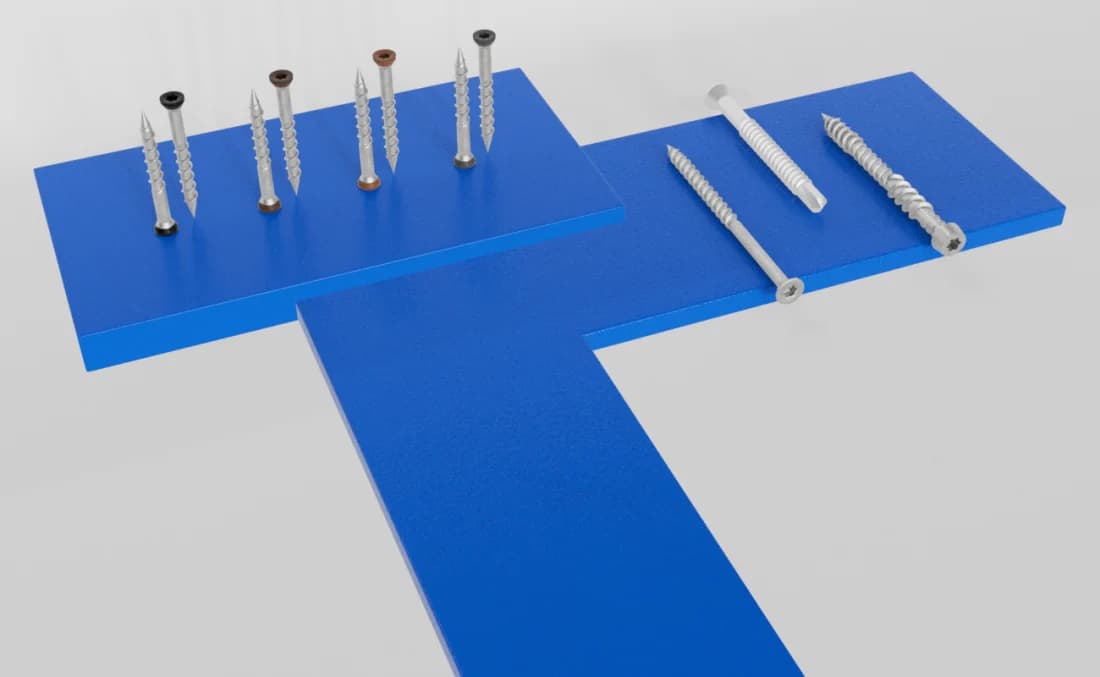
Fascia boards are primarily aesthetic, covering the deck frame's exposed edges. Therefore, the choice of fasteners often prioritizes a clean, unblemished surface. Hidden fastening systems, such as specialized clips or color-matched face screws with plugs, can help maintain a seamless look. When using face screws, consider screws designed for exterior use, often with self-tapping or self-countersinking features to reduce splitting and create a flush finish.
It's essential to select fasteners that are compatible with the fascia material, whether it's wood, composite, or PVC. Different materials expand and contract at varying rates, which can affect fastener performance. For example, some composite fascia boards require specific screws that allow for this movement without causing buckling or pulling through.
Fastening Perimeter Deck Boards
Perimeter deck boards are often the most visible and require secure attachment. For a clean look, hidden fastening systems are a popular choice. These systems typically involve clips that attach to the side of the deck board and then to the joist, leaving the top surface free of visible screws. Ensure the chosen hidden clips are compatible with your specific deck board profile and material.
If face-screwing is preferred or necessary for the perimeter boards, careful planning is key. Use high-quality deck screws designed for the board material. Predrilling and countersinking can prevent splitting and ensure screw heads sit flush or slightly below the surface. Color-matched plugs can then conceal the screw heads for a more refined finish. For hardwood deck systems, specialized fasteners and installation tools are often available to achieve a clean finished surface.
Consider the spacing between perimeter boards and adjacent field boards. Consistent spacing not only looks better but also allows for proper drainage and ventilation, which is important for the longevity of the deck.
Structural Connections for Rim Joists and Blocking
The rim joist and any blocking used to support the border boards are critical structural elements. These connections require robust structural connectors and fastening solutions. Common methods include using galvanized or stainless steel structural screws or bolts to attach the rim joist to the ledger and other joists. For blocking, joist hangers or angle brackets, along with appropriate fasteners, ensure stability and load-bearing capacity.
Always verify that structural connectors and fasteners are rated for exterior use and are compatible with any treated lumber used in the deck frame to prevent corrosion. For demanding assemblies, specific fastening systems and structural connectors are recommended to ensure long-term stability and safety.
Worked Example: Border Fastening for a 10x12 Foot Deck
Let's consider a hypothetical 10-foot by 12-foot deck with a single fascia board on all exposed sides and perimeter deck boards. The deck will use composite deck boards and a pressure-treated lumber frame.
For the fascia boards, let's assume 1x12 composite fascia. These screws are designed to allow for the expansion and contraction of the composite material. This creates a clean, consistent pattern.
For the perimeter deck boards (two 12-foot boards and two 10-foot boards for the outer edge), we will use a hidden clip system compatible with the specific composite deck board profile. These clips will attach to the joists, securing the boards without visible fasteners on the walking surface. The clips typically come with their own screws, which will be driven into the joists. We will ensure consistent gapping between the perimeter board and the adjacent field boards, as specified by the deck board manufacturer, which the clips often help maintain.
Before you order
- Identify all border components: rim joists, fascia boards, perimeter deck boards.
- Determine the material of each border component (wood, composite, PVC).
- Choose fastening methods for fascia: hidden clips, face screws with plugs, or standard face screws.
- Select fasteners for perimeter deck boards: hidden clips or face screws.
- Verify compatibility of chosen fasteners with specific deck board profiles and materials.
- Confirm structural fasteners for rim joists and blocking are rated for exterior use and compatible with treated lumber.
- Consider desired aesthetic: visible vs. concealed fasteners.
- Account for material expansion and contraction when selecting fasteners, especially for composite or PVC.
- Plan for consistent spacing between border boards and adjacent field boards.
- Gather necessary installation tools: drills, driver bits, pre-drilling bits, countersinking tools.
Confirm installation details, approved uses and warranty terms in the current instructions for the exact product and profile. Your installer should verify the substrate, structure and applicable project requirements.
Questions to help you decide
What is the difference between a rim joist and a fascia board?
A rim joist is a structural component of the deck frame, running around the perimeter and providing support for the deck boards. A fascia board is a non-structural, decorative board that covers the rim joist and the ends of the deck joists, creating a finished appearance for the deck's edge.
Can I use the same fasteners for all deck border components?
While some general-purpose deck screws might be used for certain applications, it is generally recommended to use specific fasteners tailored to each component and material. Structural connections require robust fasteners, fascia boards may benefit from specialized aesthetic fasteners, and perimeter deck boards often use hidden clip systems or specific face screws compatible with the board material's expansion and contraction properties. Using the right fastener for each application ensures both structural integrity and a refined finish.
How do I ensure fasteners for fascia boards are not visible?
To achieve a clean, fastener-free look on fascia boards, you can use specialized hidden fastening systems designed for fascia, or color-matched face screws in conjunction with plugs that match the fascia material. When using face screws and plugs, pre-drilling and countersinking are essential to ensure the screw heads are seated properly and the plugs fit flush with the surface.
Request a Material Quote for Your Deck Border Project
Ready to plan your deck border? Provide your project dimensions, desired deck board profile, and ZIP code to request a material quote. Our team can help confirm current availability and service options for deck hardware, accessories, and all your decking needs.
Request a material quote →