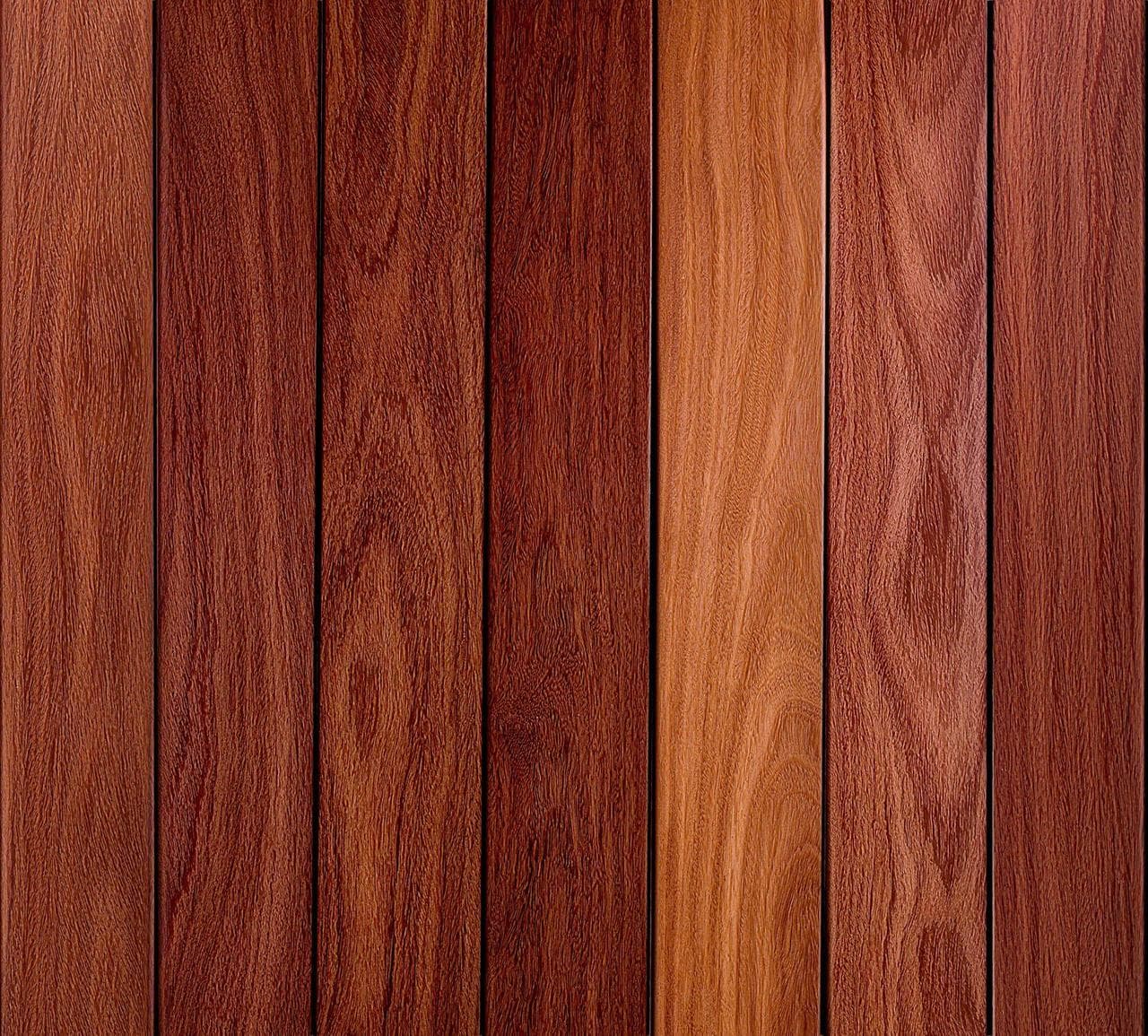
Understanding Cumaru's Resistance to Weather Changes
Cumaru is a tropical hardwood recognized for its durability and resistance to weather changes. This density contributes to its ability to resist moisture absorption compared to softer woods, which can be beneficial in fluctuating winter conditions. Its natural resistance to rot and fungi is also a factor in its suitability for outdoor use where moisture is present.
While Cumaru is resistant, it is not impervious. All outdoor wood decking will react to changes in temperature and humidity. The goal of planning for winter conditions is to mitigate potential issues by understanding these properties and designing the deck to support the material's strengths and minimize its vulnerabilities.
For more details on Cumaru's properties, refer to our main Cumaru decking page: [Cumaru Decking](/decking/hardwood/cumaru)
Moisture Management and Drainage in Winter
Effective moisture management is paramount for any deck in a winter climate. Snow and ice introduce significant amounts of water. Proper drainage ensures that meltwater does not pool on the deck surface or accumulate underneath, which can lead to prolonged saturation, freeze-thaw damage, or support mold and mildew growth in warmer periods.
Deck boards should be installed with appropriate spacing to allow water to drain through. The substructure must also be designed to promote drainage away from the house and foundation. Consider the slope of the joists and the ground beneath the deck. Good air circulation beneath the deck is also important to help dry out moisture and prevent humidity buildup, which is particularly relevant when snow insulates the deck surface for extended periods.
Snow Removal and Deicer Use on Cumaru Decking
When planning for snow removal, consider the methods that will be used. While Cumaru is a hard material, aggressive scraping with metal shovels can still scratch the surface. Plastic shovels are generally recommended to minimize this risk. If a clear finish has been applied, it may be more susceptible to scratching than naturally weathered Cumaru.
The use of deicers is another factor. Many commercial deicing products contain chemicals that can potentially stain or etch wood surfaces, or leave behind a residue. It is important to check the compatibility of any deicer with Cumaru decking, especially if the deck is finished. Sand can provide traction but may also be abrasive. The safest approach is often manual snow removal and allowing the deck to dry naturally when temperatures permit. If deicers are necessary, choose products specifically labeled as safe for wood and follow manufacturer guidelines for application and cleanup.
Design Considerations for Winter Performance
Beyond the material itself, specific design choices can enhance a Cumaru deck's performance in winter. For example, ensuring adequate ventilation between deck boards and beneath the deck helps manage moisture. Board spacing, as recommended by the product manufacturer, is critical for water runoff. Avoid designs that create water traps, such as solid borders or planters that sit directly on the deck surface without proper drainage.
Consider the orientation of the deck relative to sun exposure. A deck that receives more winter sun may melt snow and ice faster, aiding in drying. For stairs and railings, ensure that designs allow for easy snow removal and do not create areas where ice can accumulate dangerously. Guardrails should be designed to shed snow and ice rather than hold it.
Worked Example: Planning a Cumaru Deck in a Snowy Climate
Let's consider a hypothetical 12-foot by 16-foot Cumaru deck in a region with significant winter snowfall. The project requires 1-inch by 5.5-inch (nominal 5/4"x6") Cumaru boards. The design priorities are durability and effective winter performance.
First, for board quantity: A 12-foot by 16-foot deck is 192 square feet. Each 1-inch by 5.5-inch board covers approximately 0.458 square feet per linear foot (5.5 inches / 12 inches per foot). If using 16-foot boards, each board covers 7.33 square feet. To cover 192 square feet, approximately 26 boards are needed (192 / 7.33). However, accounting for cuts, waste, and specific layout, a common practice is to add 10-15% for waste, bringing the estimate to around 29-30 boards. If shorter lengths are used, the calculation for linear footage would be: 192 sq ft / (5.5 inches / 12 inches/foot) = 418.9 linear feet. Adding 15% waste, this is approximately 482 linear feet. The available lengths are 3-24 ft.
A gravel base will be installed beneath the deck to promote sub-surface drainage and prevent standing water. The edge of the deck will feature a simple picture frame border, ensuring no enclosed spaces where snow or ice can become trapped. For snow removal, only plastic shovels will be used, and deicers will be avoided. If deicing is absolutely necessary for safety, a wood-safe product will be chosen and applied sparingly, followed by thorough rinsing when temperatures allow. This detailed approach considers both material properties and environmental factors for a robust winter-ready deck.
Before you order
- Verify manufacturer-recommended board spacing for drainage.
- Plan for adequate ventilation beneath the deck to manage moisture.
- Assess the slope of the substructure to ensure water drains away from the structure.
- Consider ground preparation beneath the deck for sub-surface drainage.
- Select appropriate tools for snow removal (e.g., plastic shovels).
- Research compatibility of deicing products with Cumaru decking and any applied finishes.
- Design deck edges and features to avoid trapping snow and ice.
- Evaluate deck orientation for winter sun exposure to aid drying.
Confirm installation details, approved uses and warranty terms in the current instructions for the exact product and profile. Your installer should verify the substrate, structure and applicable project requirements.
Questions to help you decide
Can Cumaru decking withstand freezing temperatures and snow?
Cumaru is a very dense and durable tropical hardwood that is resistant to weather changes, including cold and moisture. While it can withstand freezing temperatures and snow, proper installation with adequate drainage and ventilation is crucial to ensure long-term performance and prevent issues like standing water or ice accumulation.
What is the best way to remove snow from a Cumaru deck?
For snow removal, using a plastic shovel is recommended to minimize the risk of scratching the Cumaru surface, especially if it has a finish. Avoid using metal shovels or aggressive scraping. Allowing snow to melt naturally, if safe, is also an option, but ensure proper drainage.
Are deicers safe to use on Cumaru decking?
Many commercial deicing products contain chemicals that can potentially stain or damage wood. It is generally best to avoid deicers. If deicing is necessary for safety, choose products specifically labeled as safe for wood decking and follow their instructions carefully. Always test on an inconspicuous area first and rinse thoroughly once the ice has melted.
Ready to Plan Your Winter-Resistant Cumaru Deck?
Request a material quote with your project dimensions, exact Cumaru profile, and ZIP code to confirm current availability and service options for your winter decking project.
Request a material quote →