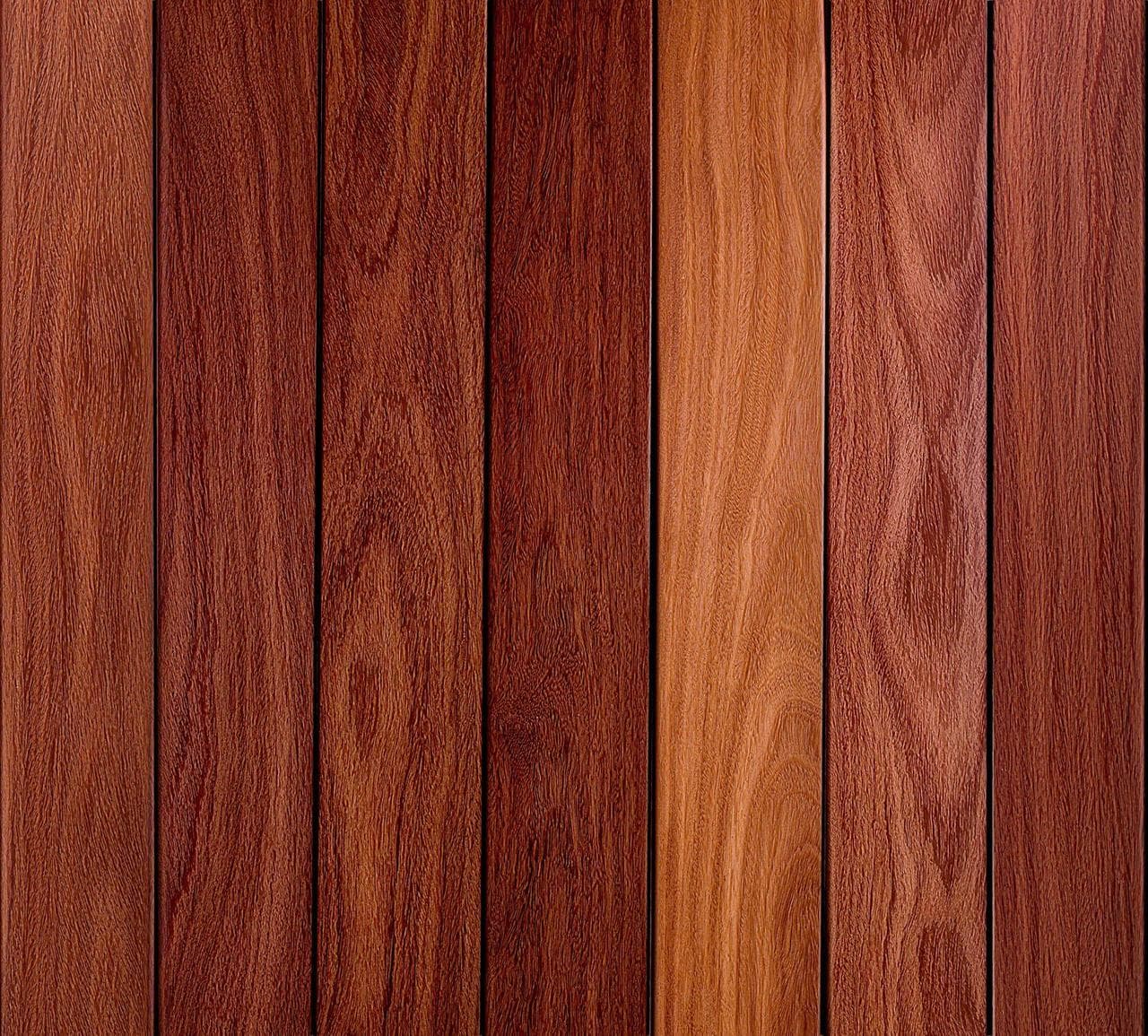
Understanding Cumaru's Natural Color and Grain
Cumaru, also known as Brazilian Teak, is characterized by its rich, varied coloration. The wood typically ranges from a golden tan to a reddish-brown, often displaying streaks of darker brown or purple. This natural variation in tone is a hallmark of tropical hardwoods and contributes to the unique character of each deck board. The grain is usually interlocked, creating a distinctive pattern that adds visual interest.
The depth and intensity of Cumaru's color can vary slightly between individual boards and even within the same board. This natural diversity means that when installed, your Cumaru deck will present a dynamic, organic appearance rather than a uniform, monochromatic surface. This characteristic is often highly valued for its authenticity and natural beauty, setting it apart from composite or PVC decking materials.
When planning your project, it's helpful to view physical samples of Cumaru decking under different lighting conditions if possible. This allows you to observe the full spectrum of its natural colors and how they might appear on your deck, whether in direct sunlight, partial shade, or during different times of the day.
Preserving Color with Finishes
If you prefer to maintain Cumaru's original rich, reddish-brown hues, applying a suitable finish is essential. Decking oils or sealers designed for tropical hardwoods can help protect the wood from UV radiation and moisture, which are primary factors in color change.
These finishes typically penetrate the wood, enhancing its natural color and grain without creating a thick surface film. Regular reapplication, as recommended by the finish manufacturer, will be necessary to sustain the desired color. The frequency of reapplication depends on factors such as sun exposure, local climate, and the specific product used. It's important to select a finish compatible with dense hardwoods like Cumaru.
When applying a finish, always test it on a small, inconspicuous area or a scrap piece of wood first. This allows you to see how the finish interacts with Cumaru's natural color and ensures it achieves your desired aesthetic before committing to the entire deck.
Embracing the Silver Patina
Alternatively, Cumaru decking can be left untreated to weather naturally. Over time, exposure to sunlight and the elements will cause the wood to transition to a soft, silver-gray patina. This weathered appearance is often sought after for its rustic charm and low-maintenance appeal.
The process of weathering to a silver-gray is gradual and can take several months to a year, depending on the intensity of sun exposure and local conditions. During this transition, the color may appear somewhat uneven. Once fully weathered, the silver-gray tone will be more consistent across the deck surface.
While the color changes, Cumaru's inherent durability and resistance to insects, rot, and fungi remain. Choosing to let Cumaru weather naturally means forgoing the regular application of a color-preserving finish, simplifying ongoing maintenance tasks related to appearance.
The Impact of Lighting: Sun vs. Shade
The appearance of Cumaru decking, whether finished or naturally weathered, is profoundly influenced by lighting conditions. A deck in full, direct sunlight will showcase the wood's colors and grain patterns more brightly and intensely. Reddish tones may appear more vibrant, and the grain more pronounced.
Conversely, areas of the deck that are in partial or full shade will exhibit a different character. Colors may appear deeper, richer, and more subdued. The subtle nuances of the grain might be less prominent but still contribute to the wood's natural texture. For decks with mixed sun and shade exposure, you can expect different visual effects across the surface.
Consider the primary use of your deck and when it will be most occupied. A deck used mostly in the evening might benefit from artificial lighting that highlights the wood's warmth, while a sun-drenched deck might emphasize its natural variations throughout the day. Your choice of finish or decision to let it weather should align with how these varying light conditions will play on the surface.
Worked Example: Selecting for a South-Facing Deck
Consider a hypothetical 12-foot by 16-foot south-facing deck that receives direct sunlight for most of the day. The homeowner desires a warm, inviting space that retains Cumaru's natural reddish-brown color, complementing their home's earth-toned siding.
Given the high sun exposure, leaving the Cumaru untreated would result in a relatively rapid transition to a silver-gray patina. To preserve the desired warm tones, the homeowner decides to apply a UV-inhibiting decking oil specifically formulated for hardwoods. They select a product that enhances the natural color rather than adding an artificial tint.
The plan includes applying a sample of the oil to a scrap piece of Cumaru and observing it over a few days in direct sunlight to confirm the color outcome. They also confirm that the chosen oil will require annual reapplication to maintain its protective qualities and color preservation, a commitment they are prepared for. This proactive approach ensures the deck's appearance aligns with their vision despite the challenging sun exposure.
Subsequent maintenance coats might require slightly less or the same amount, depending on the wood's absorption and manufacturer recommendations. Always verify coverage rates with the specific product chosen.
Before you order
- Do I prefer Cumaru's natural reddish-brown tones or a silver-gray weathered appearance?
- Will my deck receive direct sun, partial shade, or full shade for most of the day?
- Am I willing to commit to regular maintenance (e.g., oiling) to preserve the original color?
- How does the deck's color and finish interact with my home's exterior and surrounding landscape?
- Have I viewed physical samples of Cumaru (finished and unfinished) under various lighting conditions?
- Are there any specific artificial lighting plans for the deck that might influence the perceived color?
- What are the long-term maintenance implications of my chosen finish or decision to let it weather?
Confirm installation details, approved uses and warranty terms in the current instructions for the exact product and profile. Your installer should verify the substrate, structure and applicable project requirements.
Questions to help you decide
Does Cumaru decking change color over time?
Yes, Cumaru decking will naturally change color when exposed to the elements. If left untreated, it will gradually weather to a soft, silver-gray patina. Applying a suitable decking oil or sealer can help preserve its original reddish-brown tones, but regular reapplication is necessary.
Can I stain Cumaru decking a different color?
While it is technically possible to stain Cumaru, its natural density and oil content can make it challenging for stains to penetrate evenly. Most finishes for Cumaru are designed to enhance its natural color rather than drastically change it. If considering a stain, it is crucial to use products specifically formulated for dense hardwoods and perform extensive testing on scrap pieces to ensure satisfactory results and adhesion.
How does sun exposure affect Cumaru's color?
Direct sun exposure is the primary factor in Cumaru's color change. Without UV protection from a finish, the sun's rays will accelerate the weathering process, causing the wood to turn silver-gray. Even with a finish, intense sunlight can necessitate more frequent reapplication to maintain the desired color.
Start Your Cumaru Decking Project Today
Ready to bring the beauty and durability of Cumaru decking to your outdoor space? Request a material quote with your project dimensions, exact profile, and ZIP code. We'll help you confirm current availability and service options to get your project off the ground. Explore our Cumaru decking options or browse our full selection of hardwood decking.
Request a material quote →