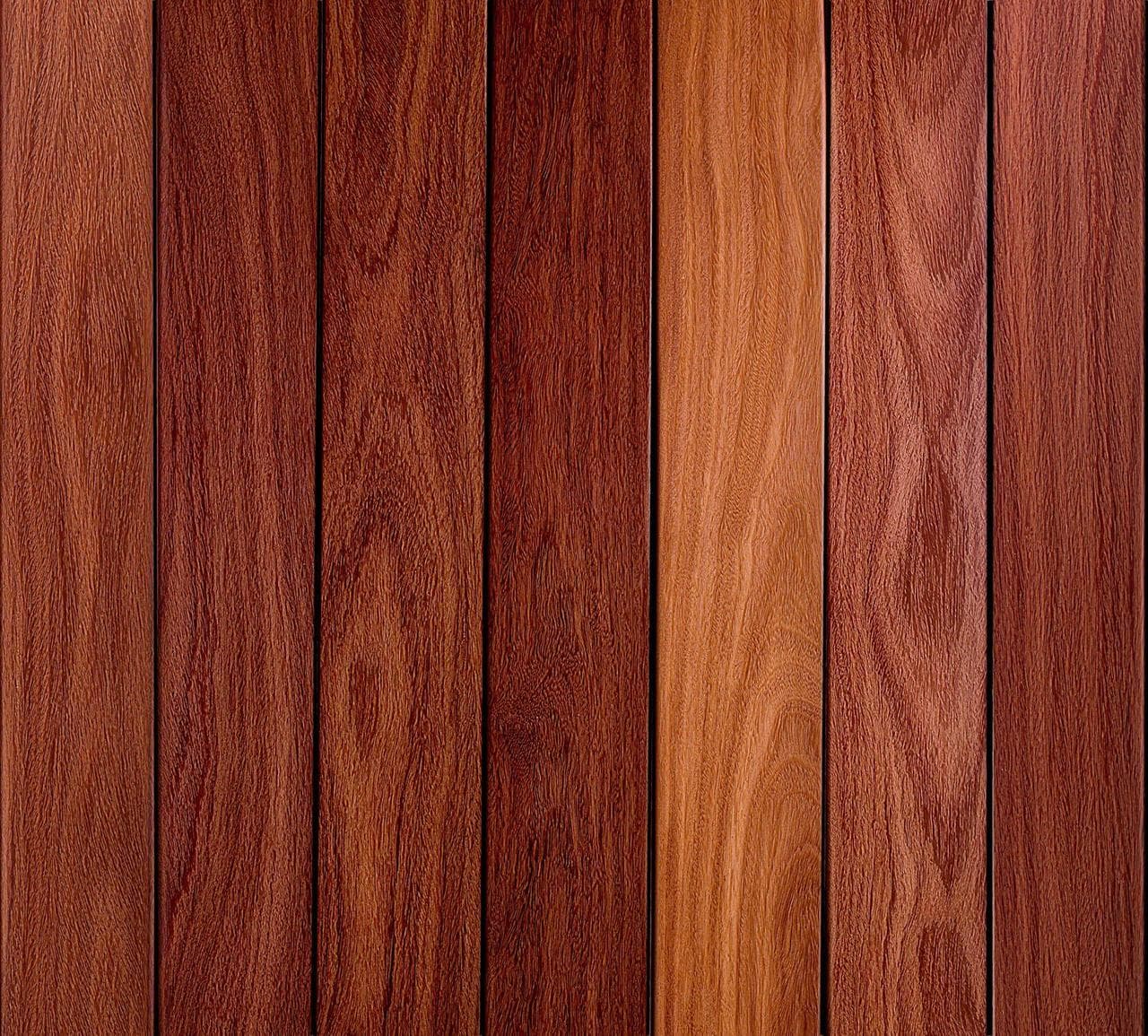
Understanding Cumaru Decking Materials
Cumaru decking is a premium tropical hardwood, valued for its strength, hardness, and natural resistance to insects, rot, and fungi. Its excellent durability means it can last over 25 years. These properties contribute to its suitability for demanding builds, including decking, industrial flooring, and even bridges. When planning your budget, the primary material cost will be the Cumaru boards themselves.
Cumaru decking is typically available in standard profiles such as 1"x6" (actual 3/4" x 5.5") and 5/4"x6" (actual 1" x 5.5"), with lengths ranging from 3 to 24 feet. The specific profile and length you choose will affect the total material quantity and, consequently, the cost. Consider the layout of your deck to minimize waste and optimize board lengths.
Beyond the decking boards, other essential materials include joists, beams, posts, and fasteners. For Cumaru, which is dense and hard to work, specialized fasteners might be required. Hidden fastening systems are popular for a clean aesthetic, but face-fastening with pre-drilled holes is also an option. Account for these additional structural and installation components in your material budget.
Calculating Decking Board Quantity: A Worked Example
To illustrate material quantity calculation, let's consider a hypothetical rectangular deck measuring 12 feet by 10 feet. We'll use 5/4"x6" Cumaru decking boards (actual 1" x 5.5").
First, determine the number of boards needed to cover the 12-foot width. The total width in inches is 12 feet * 12 inches/foot = 144 inches. Number of boards = 144 inches / 5.625 inches/board = 25.6 boards. Since you cannot purchase partial boards, you'll need 26 boards.
Next, consider the length. For a 10-foot deck length, you would typically purchase 10-foot or 12-foot boards to minimize waste, depending on availability and your layout plan. If using 10-foot boards, you would need 26 boards * 10 feet/board = 260 linear feet of Cumaru decking. If using 12-foot boards to avoid seams, you would need 26 boards * 12 feet/board = 312 linear feet. Always account for cuts and potential waste; adding 10-15% extra for waste is a common practice. For our example, with 10-foot boards, we'd add 10% waste: 260 linear feet * 1.10 = 286 linear feet. This is the quantity to quote.
Remember, this calculation is for the decking surface only. You will also need to calculate quantities for fascia boards, stair treads, and any other Cumaru components, applying similar methodology for each.
Essential Accessories and Fasteners
Beyond the decking boards, a complete budget includes various accessories. Fasteners are critical for Cumaru due to its density. Hidden fastening systems provide a smooth, blemish-free surface, but typically require specific grooves in the board edges or specialized clips. Face screws, while visible, are a robust option, but require pre-drilling to prevent splitting the dense Cumaru. Consider stainless steel fasteners for their corrosion resistance, especially in humid or coastal environments.
Other accessories include deck flashing, joist tape to protect the substructure, and any necessary ventilation components. Proper ventilation beneath the deck is important for the longevity of the Cumaru and the substructure. If you plan to finish or seal your Cumaru to maintain its color, you'll also need to budget for appropriate stains, sealers, and application tools. If left untreated, Cumaru will naturally weather to a silver-grey patina over time.
Substructure Materials and Costs
The substructure, which supports the Cumaru decking, is a significant part of the project budget. This typically includes pressure-treated lumber for joists, beams, and posts, or other durable materials suitable for outdoor use. The size and spacing of these components depend on your deck's design, local building codes, and the load it needs to support. For Cumaru, which is a heavy material, the substructure must be robust.
Consider the cost of concrete for footings, hardware like joist hangers and post bases, and any specialized connectors required. If your project involves a raised deck, railings and stairs will also add to the substructure and material costs. Ensure your substructure calculations are accurate to avoid delays and unexpected expenses during construction.
Labor and Installation Expenses
Labor costs can be a substantial portion of your overall budget, especially for Cumaru decking. Working with Cumaru requires specialized tools and expertise due to its hardness and density. Installers familiar with tropical hardwoods can work efficiently and ensure proper installation, which is key to the deck's longevity.
Obtain multiple quotes from qualified contractors, ensuring they itemize their services. Factors influencing labor costs include the complexity of the deck design (e.g., curves, multi-level sections, intricate borders), site accessibility, and the type of fastening system used. Hidden fasteners, for instance, often require more time to install than face screws. Discuss whether site preparation, demolition of an old deck, and debris removal are included in their quote.
Contingency and Project Management
Even with meticulous planning, unexpected issues can arise. It's prudent to allocate a contingency fund, typically 10-15% of the total project cost, to cover unforeseen expenses. This could include slight material overages, changes in design, unexpected site conditions, or minor repairs during installation.
Project management, whether handled by you or a contractor, also has an implicit cost. This involves coordinating material deliveries, scheduling labor, and ensuring the project stays on track. A well-managed project can save money by avoiding delays and mistakes. Keep detailed records of all expenses to track your budget accurately throughout the project.
Before you order
- Have I accurately measured my deck area and accounted for waste in my Cumaru board quantity?
- Have I chosen a Cumaru profile (e.g., 1"x6" or 5/4"x6") and confirmed its availability?
- Are all necessary fasteners (hidden or face screws), joist tape, and flashing included in my material list?
- Is the substructure (joists, beams, posts, concrete) adequately designed and budgeted for Cumaru's weight and local codes?
- Have I obtained detailed labor quotes from experienced contractors for tropical hardwood installation?
- Have I allocated a contingency fund (10-15%) for unexpected costs?
- Do I have a plan for finishing or maintaining the Cumaru, or will it be allowed to silver naturally?
- Have I considered the cost of any additional features like railings, stairs, or lighting?
Confirm installation details, approved uses and warranty terms in the current instructions for the exact product and profile. Your installer should verify the substrate, structure and applicable project requirements.
Questions to help you decide
How long does Cumaru decking typically last?
Its natural resistance to insects, rot, and fungi contributes to its longevity, making it a dependable choice for outdoor applications.
Is Cumaru decking difficult to install?
Cumaru is dense and hard, which can make it challenging to work with. Pre-drilling is essential for face-fastening to prevent splitting, and specialized tools may be needed. Professional installers experienced with tropical hardwoods are often recommended to ensure proper installation and a quality finish.
Will Cumaru decking change color over time?
If left untreated, Cumaru decking will naturally weather to a silver-grey patina. To maintain its original rich color, Cumaru requires periodic application of a UV-inhibiting oil finish. The choice depends on your preferred aesthetic and maintenance commitment.
Ready to Plan Your Cumaru Decking Project?
Request a material quote today. Provide your project dimensions, desired Cumaru profile, and ZIP code to confirm current availability and service options for your decking needs.
Request a material quote →