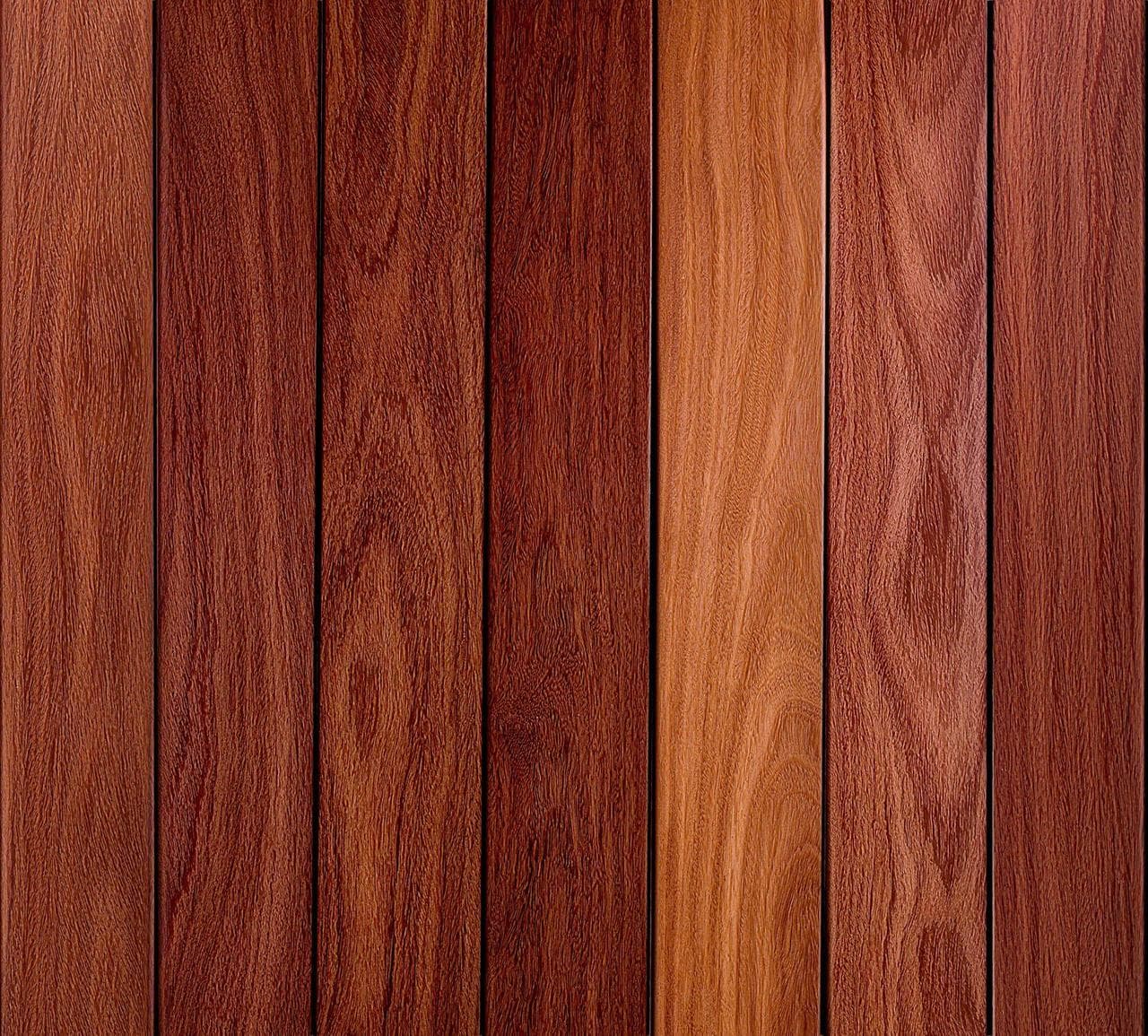
Understanding Cumaru Properties for Stair Construction
Cumaru's inherent characteristics make it suitable for various heavy carpentry and outdoor applications, including stairs. This is crucial for stair treads, which endure concentrated foot traffic and impact. Its natural resistance to insects, rot, and fungi contributes to the longevity of stair components, especially those exposed to weather.
While Cumaru is very durable and resistant to weather changes, its density and hardness mean it can be challenging to work with. Tools may dull more quickly, and its high oil content can complicate gluing. These factors should be considered during the planning and construction phases, especially when cutting and fastening stair components. Proper pre-drilling is essential to prevent splitting.
Planning Stair Dimensions and Components
A typical deck stair assembly includes treads (the horizontal surface), risers (the vertical face between treads), stringers (the angled structural supports), and often railings. Each component plays a role in the stair's functionality and appearance. When using Cumaru, you'll primarily be specifying boards for treads and risers.
Cumaru decking is available in profiles such as 1"x6" (actual 3/4" x 5.5") and 5/4"x6" (actual 1" x 5.5") in lengths ranging from 3 to 24 feet. For stair treads, the 5/4"x6" profile is often preferred for its increased thickness and rigidity. The exact dimensions of treads and risers will depend on local building codes, which dictate minimum tread depth and maximum riser height for safety and usability. Stringers are typically cut from larger dimension lumber, often pressure-treated, to provide the necessary structural support, and then clad with Cumaru where visible.
Determining Cumaru Quantities for Stair Treads
Calculating the quantity of Cumaru needed for stair treads requires knowing the number of treads, the desired tread depth, and the available board widths. Most codes require a minimum tread depth, typically around 10 to 11 inches. This approach maintains the aesthetic continuity with the main deck surface.
Consider a hypothetical stair project: a deck with a total rise of 42 inches. If local code requires a maximum riser height of 7 inches, this means 42 inches / 7 inches = 6 risers. This results in 5 treads (number of risers minus one). If each tread requires two 5.5-inch wide Cumaru boards to achieve a suitable depth, and the stairs are 48 inches wide (requiring one 48-inch cut from each board), you would need 5 treads * 2 boards/tread = 10 board-lengths of Cumaru for the treads. Accounting for potential waste and cuts, ordering 12-foot or 16-foot boards that can be efficiently cut into 4-foot sections would be a practical approach. For example, three 4-foot sections can be cut from a 12-foot board, or four 4-foot sections from a 16-foot board, minimizing waste.
Structural Support and Fastening for Cumaru Stairs
While Cumaru provides a durable surface, the structural integrity of your stairs relies on adequately sized and properly installed stringers. These stringers, typically made from pressure-treated lumber, must be securely anchored to the deck frame and a solid foundation. Consult local building codes for stringer spacing and attachment methods.
Fastening Cumaru treads requires careful attention. Due to its hardness, pre-drilling all screw holes is essential to prevent splitting and ensure secure attachment. Stainless steel fasteners are recommended for their corrosion resistance, especially in outdoor environments. Hidden fastening systems can be used for a cleaner look on the treads, but face-fastening with appropriate screws often provides a more robust connection for stair components that experience high stress. Always follow manufacturer guidelines for fastening methods and spacing.
Integrating Cumaru Risers and Fascia
For a cohesive look, Cumaru can also be used for stair risers and fascia boards along the stringers. Using the same Cumaru decking boards for risers creates visual continuity, though thinner profiles might be suitable if structural support is already provided by the stringers. Fascia boards can be attached to the outer stringers to conceal the underlying structural lumber, presenting a finished Cumaru appearance from all angles.
When planning for risers and fascia, remember that these are primarily aesthetic elements. The structural support must come from the stringers. The decision to clad stringers with Cumaru should factor in the additional material cost and the complexity of installation, ensuring adequate ventilation behind the cladding to prevent moisture buildup.
Before you order
- Verify local building codes for stair rise, run, and handrail requirements.
- Determine the number of treads and risers required based on total rise and code.
- Select Cumaru board profile for treads (e.g., 5/4"x6" for rigidity).
- Calculate the number of Cumaru boards needed for treads, accounting for width and waste.
- Plan for structural stringer material (e.g., pressure-treated lumber) and attachment.
- Decide on Cumaru for risers and fascia for aesthetic continuity.
- Confirm fastening methods (pre-drilling, stainless steel screws, hidden vs. face-fastening).
- Consider the working properties of Cumaru (hardness, tool dulling, oil content) during installation.
- Review ventilation requirements for stair components, especially if cladding stringers.
Confirm installation details, approved uses and warranty terms in the current instructions for the exact product and profile. Your installer should verify the substrate, structure and applicable project requirements.
Questions to help you decide
Can I use Cumaru decking boards for stair treads?
Yes, Cumaru decking boards, particularly the 5/4"x6" profile, are suitable for stair treads due to their strength, hardness, and durability. You will typically use two boards per tread to achieve the required depth, following local building codes for tread dimensions.
Do Cumaru stairs require special fasteners?
Due to Cumaru's hardness, pre-drilling is essential for all fasteners to prevent splitting. Stainless steel screws are recommended for their corrosion resistance in outdoor applications, ensuring a long-lasting and secure connection.
How do I ensure my Cumaru stairs match my deck?
To achieve a cohesive look, use the same Cumaru decking boards for both your deck surface and stair treads, risers, and fascia. This ensures consistent color, grain, and weathering characteristics. Over time, Cumaru will naturally weather to a silver-grey if left untreated, matching the deck's natural patina.
Ready to Plan Your Cumaru Deck Stairs?
Request a material quote with your project dimensions, desired Cumaru profile, and ZIP code. We can help you confirm current availability and service options for your Cumaru decking and stair needs.
Request a material quote →