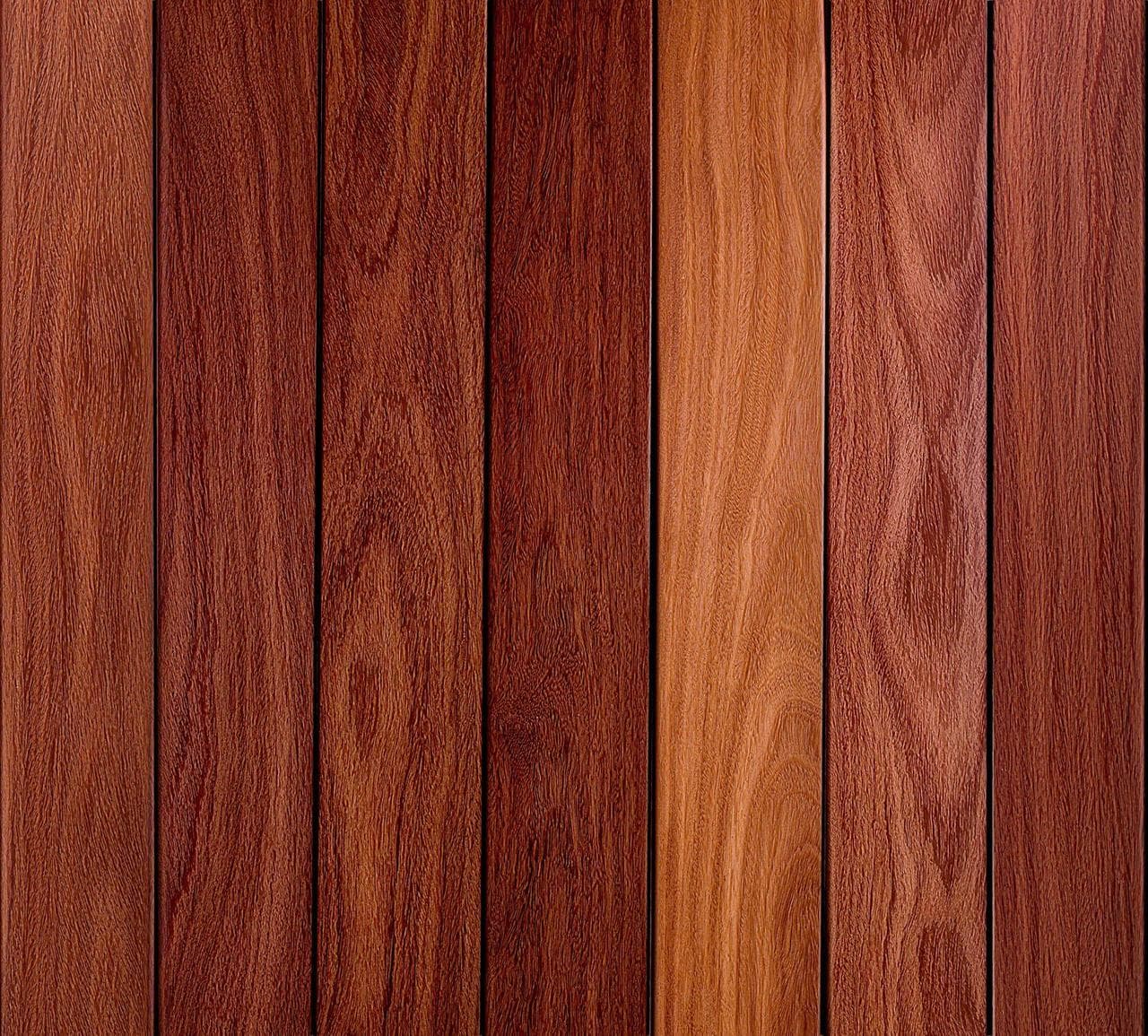
Why Board Spacing Matters for Cumaru Decking
Cumaru is a tropical hardwood known for its exceptional density and durability. These properties contribute to its natural resistance to insects, rot, and fungi, making it a dependable choice for demanding outdoor builds. However, like all natural wood, Cumaru will absorb and release moisture, causing it to expand and contract.
Correct board spacing is crucial to accommodate this natural movement. Without adequate gaps, boards can press against each other, leading to cupping, buckling, or splitting. Proper spacing also allows for essential drainage of rainwater and promotes air circulation beneath the deck, which helps prevent moisture buildup that could otherwise lead to mold, mildew, or accelerated decay.
Factors Influencing Cumaru Board Spacing
Several key factors dictate the appropriate spacing for Cumaru decking boards:
Board Dimensions: The width and thickness of your Cumaru boards are primary considerations. Wider boards typically require slightly larger gaps to accommodate more significant expansion and contraction across their surface. Lumber Plus offers Cumaru in profiles such as 1"x6" (actual 3/4" x 5.5") and 5/4"x6" (actual 1" x 5.5").
Moisture Content at Installation: The moisture content of the Cumaru boards when they are installed is critical. Kiln-dried (KD) Cumaru, as supplied by Lumber Plus, has a lower and more stable moisture content than air-dried lumber. If installing KD boards in a humid climate, they will likely expand, requiring a smaller initial gap. Conversely, if installing in a very dry climate, they may contract, suggesting a slightly wider initial gap.
Local Climate and Exposure: Decks in consistently humid environments or those exposed to frequent rain will experience more moisture absorption, leading to greater expansion. Decks in arid regions or those heavily shaded might show less expansion. Consider the average humidity and temperature swings in your project's location.
Fastener Type: The type of fastener used can also influence spacing recommendations. Hidden fastening systems often have specific gap requirements built into their design, while face-fastening allows for more flexibility in setting the gap manually. Always verify compatibility with Cumaru and follow the fastener manufacturer's guidelines.
Determining Spacing: A Worked Example
The boards are kiln-dried (KD) and arrive at a stable moisture content.
Project Scenario:
Board Profile: 1"x6" Cumaru (actual 3/4" x 5.5")
Climate: Moderately humid, with typical seasonal changes.
Step 1: Consult Product Documentation. Always start with the specific Cumaru product guide or the hidden fastener system's instructions.
Since the boards are KD and the climate is moderately humid, the boards are expected to expand slightly after installation as they acclimate.
Step 3: Plan for Consistency. Using spacers or the built-in spacing of the hidden fastener clips will ensure uniform gaps across the entire deck surface. This consistency is crucial for both aesthetics and functionality.
Tools and Techniques for Accurate Spacing
Achieving consistent board spacing requires attention to detail and the right tools:
Deck Spacers: These are essential for maintaining uniform gaps. They come in various thicknesses, allowing you to select the precise gap size required. Using multiple spacers along the length of each board helps ensure even spacing.
Chalk Lines and Measurements: Regularly check your progress with a chalk line or tape measure to ensure boards are running straight and parallel. Small deviations can accumulate, leading to noticeable inconsistencies.
Hidden Fastener Systems: Many hidden fastener systems include integral spacers that automatically set the gap between boards. This can simplify installation and ensure consistent spacing.
Board Straighteners: For slightly warped or bowed boards, a board straightener can be invaluable. This tool helps temporarily align boards to achieve the desired gap before fastening.
Remember, consistency is key. Even a small variation in spacing can become visually apparent over the length of a deck.
Long-Term Considerations for Cumaru Decking
Once installed, Cumaru decking requires ongoing consideration regarding its natural characteristics. It is naturally resistant to insects, rot, and fungi. While proper spacing accommodates most natural movement, extreme weather events or prolonged exposure to moisture can still influence the boards.
Ventilation: Ensure adequate ventilation beneath your deck. This helps to equalize moisture content on both sides of the boards, reducing the likelihood of cupping and promoting overall deck health. Poor ventilation can trap moisture, accelerating decay.
Maintenance: Cumaru decking can be oiled to maintain its color or allowed to weather to a silver-gray patina. Regular cleaning to remove debris from between the boards is important to prevent moisture retention and maintain proper drainage. Always use cleaning products compatible with Cumaru.
Inspections: Periodically inspect your deck, paying attention to board gaps. If you notice any boards cupping, buckling, or showing excessive movement, it might indicate an underlying issue with drainage, ventilation, or an incorrect initial spacing.
Before you order
- Verify the actual dimensions of your Cumaru decking boards (e.g., 3/4" x 5.5" for a 1"x6" nominal).
- Consult the specific Cumaru product documentation for any manufacturer-recommended spacing guidelines.
- If using a hidden fastener system, review its instructions for required gap dimensions.
- Assess the typical climate and humidity levels in your project location.
- Consider the moisture content of the boards at the time of installation (e.g., kiln-dried vs. air-dried).
- Determine if the anticipated board movement (expansion/contraction) is best accommodated by a slightly tighter or wider initial gap.
- Ensure adequate ventilation is planned for the underside of the deck.
- Confirm that your chosen fasteners are compatible with Cumaru and the intended spacing.
Confirm installation details, approved uses and warranty terms in the current instructions for the exact product and profile. Your installer should verify the substrate, structure and applicable project requirements.
Questions to help you decide
What is the typical spacing for Cumaru decking boards?
There isn't a single universal spacing. It depends on factors like board dimensions, the moisture content of the boards at installation, local climate, and the chosen fastening system.
Can I install Cumaru boards with no gaps?
No. Installing Cumaru boards with no gaps is not recommended. Cumaru, like all natural wood, will expand and contract with changes in moisture and temperature. Without adequate spacing, boards can buckle, cup, or split, leading to significant damage and safety concerns. Proper gaps are essential for drainage and ventilation.
Does Cumaru expand more than other hardwoods?
All hardwoods exhibit some degree of expansion and contraction. Cumaru is a very dense hardwood. While its movement might be less pronounced than some softer woods, it still requires appropriate spacing.
Ready to Plan Your Cumaru Decking Project?
Request a material quote today by providing your project dimensions, desired Cumaru profile, and ZIP code. We can confirm current availability and service options for your area. Explore our full range of Cumaru decking options, including 1"x6" and 5/4"x6" profiles, to find the perfect fit for your outdoor space. Visit our Cumaru Decking product page at /decking/hardwood/cumaru.
Request a material quote →