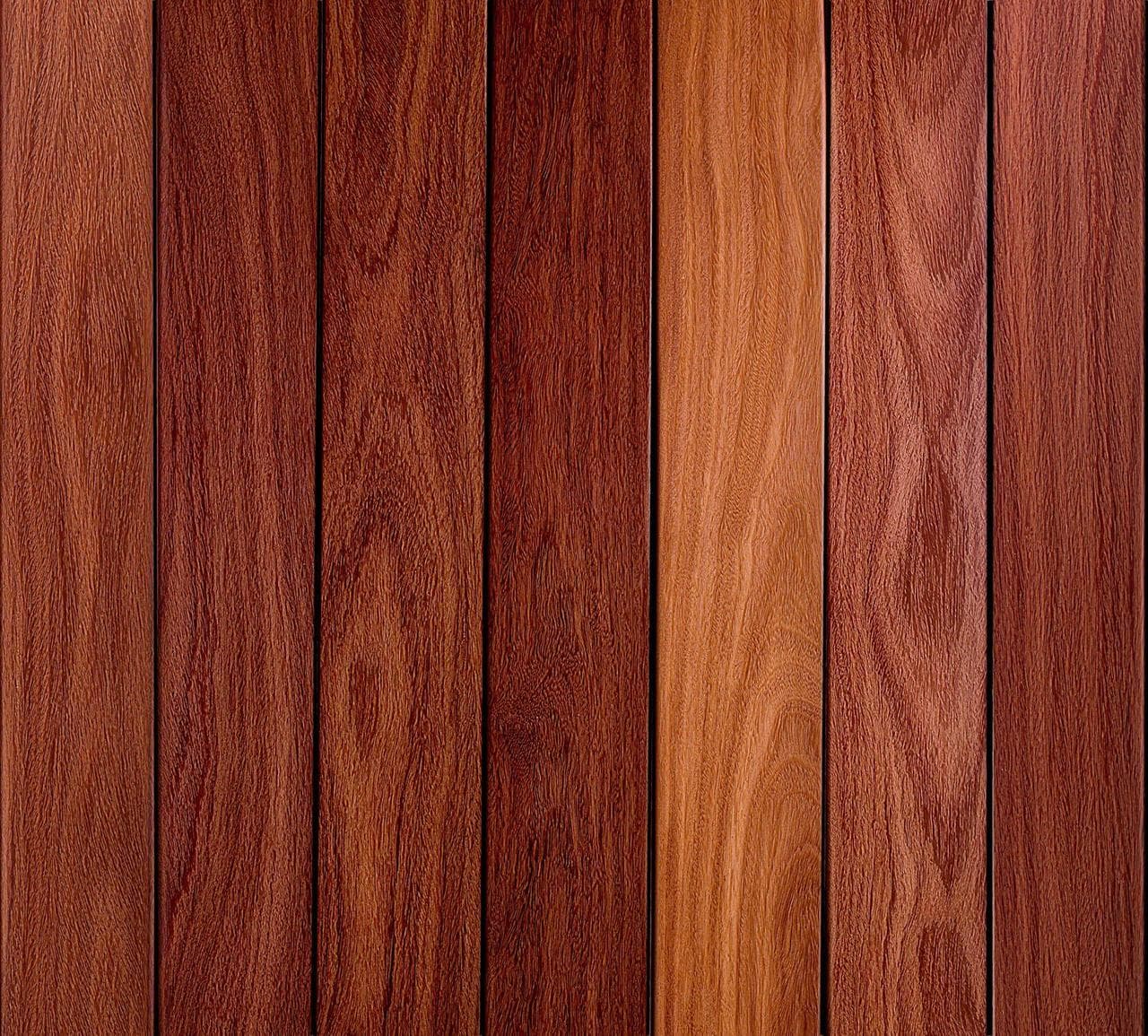
Understanding Cumaru's Characteristics in Shaded Settings
It is naturally resistant to insects, rot, and fungi, and resistant to termites and weather changes, making it a robust choice for outdoor applications. Its air-dry density is 5.75 lbs/bf, contributing to its durability. These inherent qualities make Cumaru a strong candidate for decking, even in less-than-ideal conditions like perpetual shade. However, shade alters the drying dynamics of the wood.
In a shaded environment, Cumaru decking will take longer to dry after rain, dew, or cleaning. Prolonged surface moisture can encourage the growth of mold or mildew, which, while not structurally damaging to Cumaru due to its natural resistance, can affect its aesthetic appearance. The wood may also weather to a silver-gray more uniformly and potentially faster in shaded, moist conditions compared to sun-exposed areas. Understanding these factors is key to successful planning and maintenance.
For projects where moisture management is critical, Cumaru's inherent properties offer a solid foundation. When being worked, Cumaru gives off a scent of cinnamon and vanilla, a distinctive characteristic.
The Critical Role of Ventilation and Drainage
Effective ventilation and drainage are paramount for Cumaru decking in shaded areas. Stagnant moisture beneath the deck can lead to issues for both the decking and the substructure. Proper air circulation helps dry the top surface of the boards and prevents moisture buildup underneath.
Consider the following for optimal ventilation:
Adequate spacing between deck boards: While standard spacing is necessary for water runoff and expansion/contraction, slightly wider gaps (within manufacturer guidelines) might be beneficial in heavily shaded, moist environments to promote airflow.
Sufficient clearance from the ground: Ensure there is ample space between the deck's underside and the ground. A minimum of 18-24 inches is often recommended for good cross-ventilation. If the deck is closer to the ground, consider additional venting or a more robust substructure design.
Clearance around the deck perimeter: Avoid planting dense shrubs or constructing solid skirting that blocks airflow around the deck's edges. Open lattice or strategically placed vents can help maintain air movement.
Proper grading: Ensure the ground beneath the deck slopes away from any adjacent structures to prevent water from pooling. This aids in drainage and reduces ambient humidity under the deck.
These measures help to manage moisture, which is the primary challenge for shaded decks, and contribute to the longevity and appearance of your Cumaru investment.
Cleaning and Maintenance for Shaded Cumaru Decks
Maintaining a Cumaru deck in a shaded environment often requires more frequent cleaning than a deck exposed to full sun. The consistent moisture can encourage the growth of surface mold, mildew, or algae. While Cumaru is naturally resistant to rot, these growths can stain the surface and make it slippery.
Regular cleaning with a deck cleaner formulated for hardwoods is important. Always follow the cleaner manufacturer's instructions and test on an inconspicuous area first. A soft-bristle brush can help remove surface contaminants without damaging the wood. Pressure washing should be used with extreme caution and at a low setting to avoid scarring the wood.
If you choose to maintain Cumaru's rich reddish-brown color, periodic application of a UV-inhibiting oil finish is recommended. In shaded areas, this may need to be done more frequently as the finish might not dry as quickly or cure as completely as in sunny spots. If you prefer the silver-gray weathered look, regular cleaning is still necessary to prevent dark spots from mold and mildew and ensure an even graying process. Always confirm cleaning product compatibility with Cumaru decking before application.
Worked Example: Planning a Cumaru Deck Under a Large Oak Tree
Imagine you are planning a 10-foot by 12-foot Cumaru deck that will sit entirely under the canopy of a mature oak tree. This scenario presents a classic shaded deck challenge due to constant shade and potential leaf litter.
Measurements and Materials: The deck will be 10 feet (120 inches) by 12 feet (144 inches). You plan to use Cumaru decking in a 1" x 5.5" (actual dimensions) profile, available in lengths from 3 to 24 feet. For this example, we will assume 12-foot boards are readily available.
Deck Board Quantity: To cover the 10-foot width, you'll need 120 inches / 5.5 inches per board = approximately 21.8 boards. Round up to 22 boards. Therefore, you would need 22 boards, each 12 feet long. Total lineal footage: 22 boards * 12 feet/board = 264 lineal feet. The area is 120 square feet.
The ground beneath the deck is graded with a 2% slope away from the house.
Drainage: Rainwater will drain through the board gaps and off the graded ground. You also plan for a system to manage oak leaves, possibly by installing a removable screen under the deck or scheduling regular leaf removal to prevent accumulation that could block airflow.
Maintenance Plan: Due to the shade, you anticipate cleaning the deck every 3-4 months with a pH-neutral deck cleaner to prevent mildew. You have chosen to let the Cumaru weather naturally to silver-gray but will monitor for uneven discoloration that might indicate excessive moisture. You also plan to sweep off leaves weekly during fall. This proactive approach helps maintain the deck's appearance and structural integrity in its shaded setting.
Choosing Compatible Fasteners and Substructure
The choice of fasteners and the substructure system also plays a role in the longevity of a shaded Cumaru deck. Since Cumaru is a dense hardwood, pre-drilling is required for face fastening. Hidden fastening systems are also available and can provide a clean aesthetic, but ensure they are designed for the density of Cumaru and allow for proper board spacing.
For the substructure, consider using materials that are themselves resistant to moisture and rot, such as pressure-treated lumber or even steel framing, especially in areas with persistent dampness. Ensure all substructure components are properly installed and allow for air circulation. Joist tape can be applied to the top of joists to protect them from moisture and contribute to the overall resilience of the deck system. Always consult product-specific installation guides for fastener and substructure requirements.
Cumaru is available in kiln-dried (KD) condition in profiles such as 1"x6" (actual 3/4" x 5.5") and 5/4"x6" (actual 1" x 5.5"), in lengths from 3 to 24 feet. These dimensions provide flexibility for various deck designs.
Before you order
- Assess the degree and duration of shade throughout the day and year.
- Evaluate existing drainage and ground slope beneath the proposed deck area.
- Confirm the appropriate spacing between Cumaru deck boards for shaded conditions.
- Select fasteners suitable for Cumaru's density and the specific installation method.
- Choose substructure materials resistant to moisture and rot.
- Develop a proactive cleaning and maintenance schedule tailored to shaded conditions.
- Decide on the desired appearance (oiled vs. silver-gray) and plan for the required upkeep.
Confirm installation details, approved uses and warranty terms in the current instructions for the exact product and profile. Your installer should verify the substrate, structure and applicable project requirements.
Questions to help you decide
Can Cumaru decking be installed directly on the ground in a shaded area?
No, Cumaru decking should not be installed directly on the ground, especially in shaded areas. Adequate ventilation and clearance beneath the deck are essential to prevent moisture buildup, which can lead to mold, mildew, and potential issues for the substructure.
Will Cumaru decking still weather to silver-gray in a shaded location?
Yes, Cumaru decking will still weather to a silver-gray in a shaded location. However, the process might be more uniform or potentially faster due to consistent moisture. It's important to maintain a regular cleaning schedule to prevent uneven discoloration from mold or mildew, which can appear as dark spots on the weathered surface.
What kind of cleaning products should I use for Cumaru in shade?
For Cumaru decking in shaded areas, use a pH-neutral deck cleaner specifically formulated for hardwoods. Always test the product on an inconspicuous area first to ensure compatibility and desired results. Avoid harsh chemicals or high-pressure washing, which can damage the wood surface. Regular cleaning helps prevent the accumulation of mold, mildew, and algae that thrive in shaded, moist environments.
Ready to Plan Your Shaded Cumaru Deck?
Request a material quote with your project dimensions, exact Cumaru profile, and ZIP code. We can also confirm current availability and service options for your project.
Request a material quote →