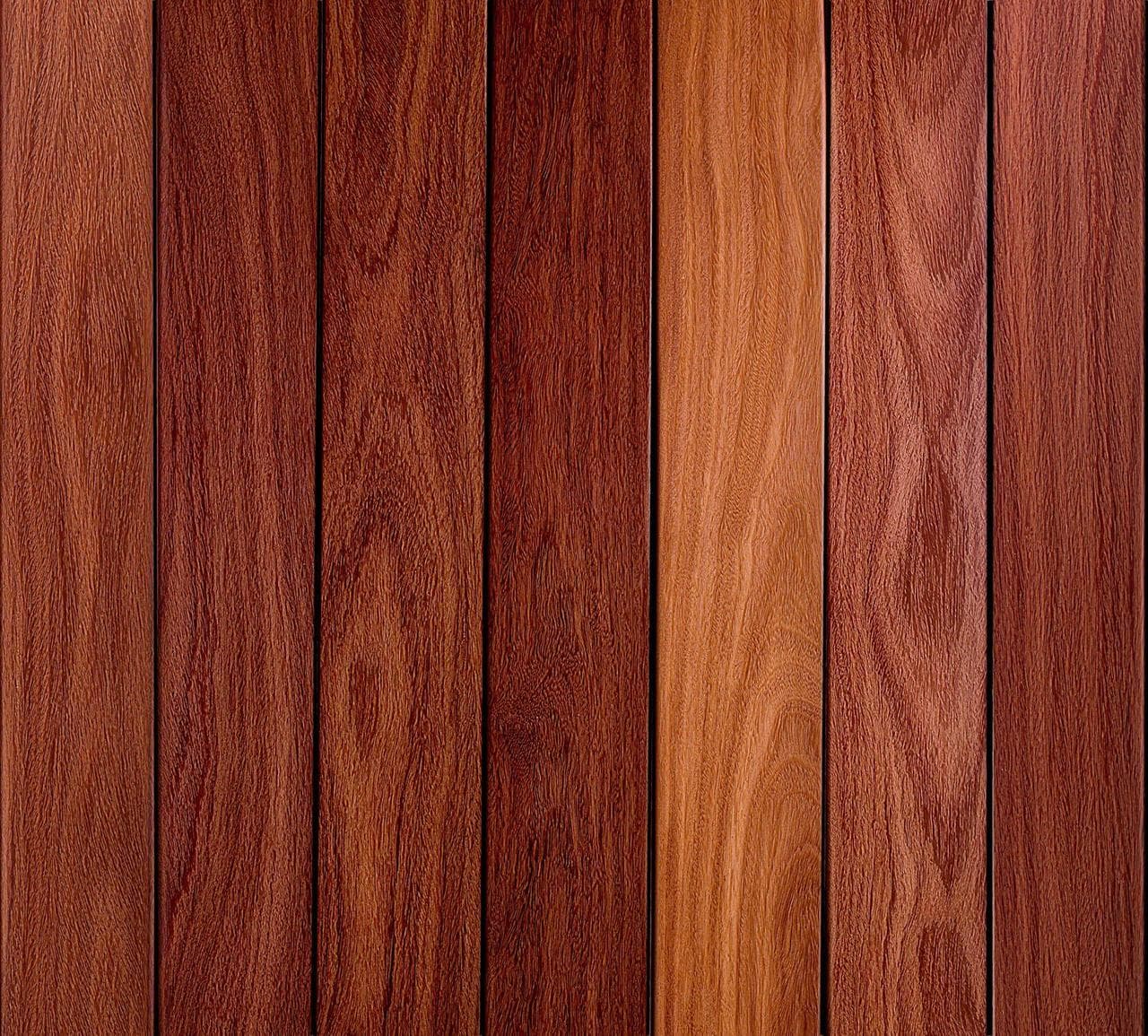
Cumaru Decking: Properties and Suitability for Elevated Decks
Cumaru is a tropical hardwood sourced from Brazil, recognized for its exceptional durability and hardness. This inherent robustness makes Cumaru a dependable choice for decking applications, including those at elevated levels.
Cumaru also carries a Class A fire resistance rating. These properties are beneficial for any outdoor structure, particularly for second-story decks where long-term performance and minimal maintenance are often desired. The material's ability to withstand weather changes is also a key factor in its suitability for exposed elevated positions.
When being worked, Cumaru can emit a scent of cinnamon and vanilla, a distinctive characteristic of the species. While durable, its density means it is hard to work with, and its silica content can dull tools. Untreated, Cumaru will naturally weather to a silver-grey patina over time.
Framing and Structural Considerations for Second-Story Decks
The structural framing of a second-story deck is paramount, as it must safely support the deck's live and dead loads, including the Cumaru decking, furniture, and occupants. Unlike ground-level decks, elevated structures require rigorous adherence to local building codes, which often specify requirements for ledger board attachment, beam and joist sizing, and post footings.
It is crucial to work with a qualified structural engineer or experienced deck builder to design a frame that can handle the weight of Cumaru decking. Cumaru's density means it is heavier than many other decking materials, a factor that must be accounted for in the joist spacing and overall structural design. Proper joist spacing is also essential for preventing deflection of the decking boards.
Water Management and Drainage Planning
A critical aspect of any elevated deck, especially a second-story one, is effective water management. The decking itself is not a waterproofing system. Rainwater and snowmelt will pass through the gaps between Cumaru boards, necessitating a well-planned drainage solution for the space below.
Common drainage systems include under-deck ceiling systems or sloped joist framing with membranes to direct water away. If the area beneath the deck is intended to be a dry, usable space (e.g., a patio or entry), a dedicated waterproofing system installed above the joists and below the decking is essential. This system must be carefully integrated with the building's flashing and guttering. Without proper drainage, moisture can accumulate on the framing, leading to potential issues over time, even with naturally resistant hardwoods like Cumaru.
Access and Installation Logistics
Installing Cumaru decking on a second-story deck presents unique logistical challenges. Access to the elevated work area for material delivery and construction personnel must be planned in advance. Cumaru's density means individual boards are heavier than many other decking materials, requiring more effort to transport and maneuver into place. Consideration should be given to how materials will be hoisted or carried to the second story.
Working on an elevated platform also requires strict safety protocols, including fall protection. The installation process for Cumaru involves pre-drilling and using appropriate fasteners due to its hardness. Adequate ventilation beneath the deck boards is also important to help prevent moisture accumulation and ensure consistent board performance over time.
Worked Example: Cumaru Decking for a 12'x16' Second-Story Deck
Let's consider a hypothetical 12-foot by 16-foot second-story deck. For Cumaru decking, a common profile is the 5/4"x6" (actual 1" x 5.5") board.
Decking Board Coverage: Each 5.5-inch wide board covers 0.458 feet. For a 12-foot width, you would need approximately 12 feet / 0.458 feet/board = 26.2 boards. Rounding up, we'd need 27 boards if they were all cut to exact length and there were no waste. Therefore, for the 12-foot width, we would need 27 boards, each 16 feet long.
Total Linear Feet: 27 boards x 16 feet/board = 432 linear feet. To account for cuts, waste, and potential board selection, it is common to add 10-15% overage. For this project, let's use a 15% overage: 432 linear feet * 1.15 = 496.8 linear feet. We would order approximately 500 linear feet of 5/4"x6" Cumaru decking.
This calculation provides the quantity of decking material. However, the framing, ledger, posts, and a chosen drainage system for the under-deck area would be separate material and labor considerations that are critical for the overall project. Always confirm dimensions and consult with your installer for final material quantities and cut plans.
Before you order
- Confirm local building codes and obtain necessary permits for second-story deck construction.
- Engage a structural engineer or experienced deck builder for framing design and load calculations.
- Select Cumaru decking profile and confirm availability of desired lengths.
- Plan for under-deck drainage and waterproofing if the space below needs to be dry.
- Develop a detailed plan for material delivery and access to the elevated work area.
- Account for Cumaru's density and hardness in fastening methods and tool selection.
- Consider the long-term maintenance approach: allow to silver or apply oil to maintain color.
Confirm installation details, approved uses and warranty terms in the current instructions for the exact product and profile. Your installer should verify the substrate, structure and applicable project requirements.
Questions to help you decide
Is Cumaru decking suitable for all climates on a second-story deck?
Cumaru is a very durable tropical hardwood resistant to weather changes, making it suitable for a wide range of climates. Its natural resistance to rot and insects is beneficial in humid or damp conditions. However, proper ventilation and drainage are critical in any climate, especially for elevated structures, to prevent moisture accumulation on the framing.
How does Cumaru's weight affect second-story deck construction?
Cumaru has an air dry density of 5.75 lbs/bf, making it heavier than many other decking materials. This increased weight must be factored into the structural design of the deck, including joist spacing, beam sizing, and footing requirements. A qualified professional should verify the framing can adequately support the Cumaru decking along with all other anticipated loads.
Do I need a special waterproofing system under Cumaru decking for a second-story deck?
Yes, if the area beneath your second-story deck needs to remain dry, a dedicated waterproofing system is necessary. Cumaru decking, like other decking materials, is installed with gaps between boards for drainage and ventilation, meaning water will pass through. This system is separate from the decking and typically involves membranes or panels installed on top of or between the joists to channel water away.
Ready to Plan Your Cumaru Second-Story Deck?
Request a material quote with your project dimensions, exact Cumaru profile, and ZIP code to confirm current availability and service options. Our team can help you with your material needs.
Request a material quote →