Why Cumaru Suits Commercial Patios
Cumaru is a tropical hardwood known for its inherent durability and strength, making it a suitable material for high-traffic commercial settings like restaurant patios. Its natural resistance to insects, rot, and fungi contributes to a longer lifespan, reducing the frequency of major repairs or replacements. This resilience is a key factor for businesses seeking to minimize operational disruptions and maintenance costs.
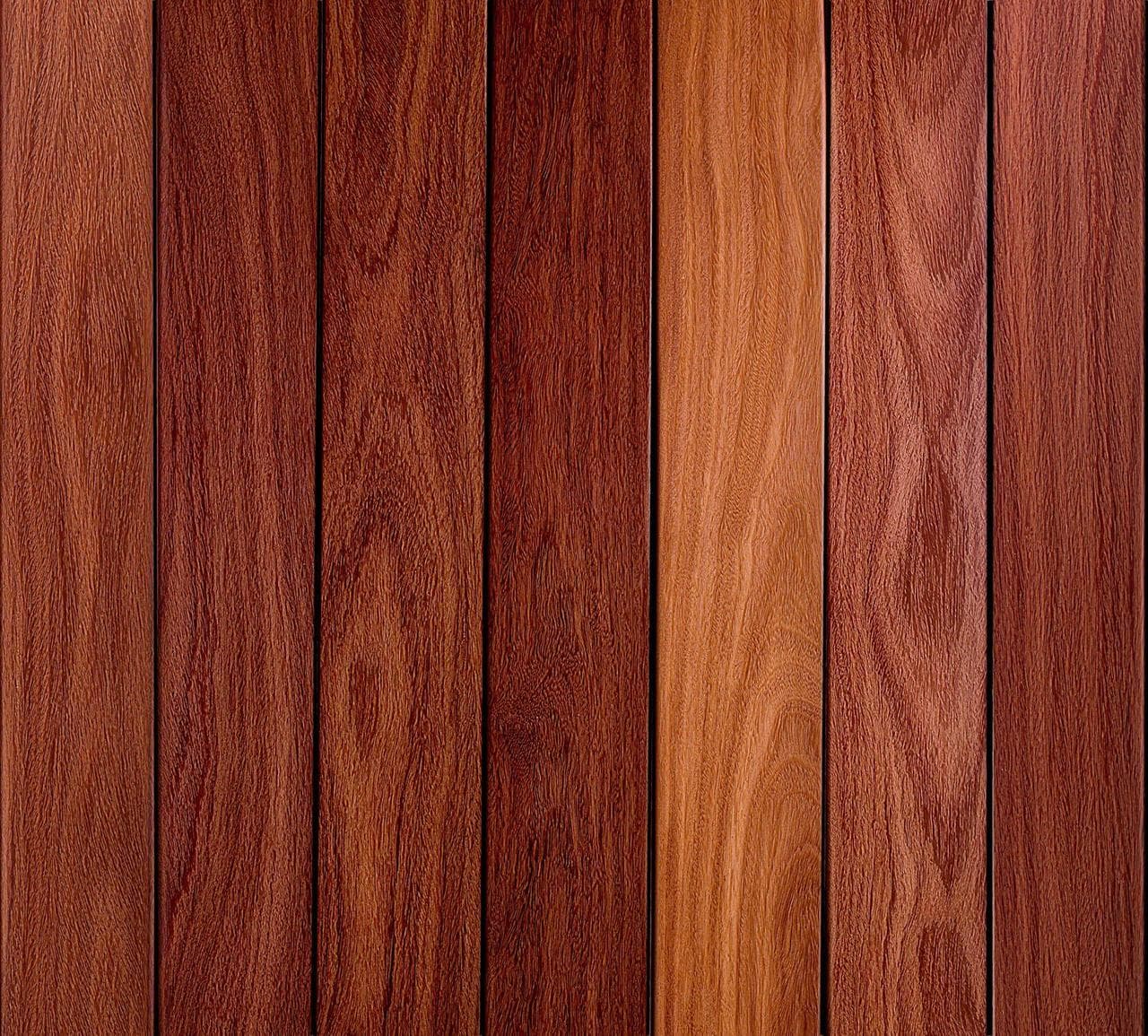
Additionally, Cumaru carries a Class A fire resistance rating, which can be an important consideration for commercial installations where safety regulations are stringent. Its natural appearance, with a bold grain and varying hues, can also enhance the inviting atmosphere of an outdoor dining space.
When worked, Cumaru gives off a scent of cinnamon and vanilla. This characteristic is part of the material's identity, though it is primarily noticeable during installation or milling rather than in everyday use on a finished patio.
Planning Your Patio Layout and Seating Capacity
The layout of a restaurant patio is crucial for maximizing seating capacity while ensuring comfortable guest movement and efficient service. Before specifying Cumaru decking, consider the anticipated flow of customers and staff, the types of seating (tables, benches, high-tops), and any required clearances for accessibility.
A common design approach involves dividing the patio into zones: dining areas, pathways, and potentially waiting or lounge spaces. For example, a 20-foot by 30-foot patio might allocate a 20-foot by 20-foot area for dining, leaving a 5-foot wide perimeter pathway on two sides for circulation.
When planning, account for obstacles such as planter boxes, outdoor heaters, or sunshades. The inherent strength of Cumaru can support substantial weight, but the underlying subframe must be engineered to handle the combined live load of furniture and patrons, as well as dead loads from any permanent fixtures. Consult with a structural engineer to ensure the deck's foundation and framing are appropriately designed for commercial use.
Cumaru Decking Profiles and Dimensions
Cumaru decking is typically available in standard profiles and lengths, offering flexibility for various patio designs. Common profiles include 1"x6" (actual 3/4" x 5.5") and 5/4"x6" (actual 1" x 5.5"), with lengths ranging from 3 to 24 feet. The choice of profile can influence the deck's overall appearance and structural feel.
For commercial applications, the thicker 5/4"x6" profile may be preferred for its enhanced stiffness and robust feel underfoot, which can be advantageous in high-traffic areas. Utilizing longer boards can minimize the number of end-to-end seams, contributing to a more seamless aesthetic across expansive patio surfaces. Careful planning of board lengths can also help optimize material use and reduce waste during installation.
Consider the visual impact of board width. A consistent 5.5-inch face width provides a classic decking appearance. For a more contemporary feel, or to visually expand a smaller patio, wider boards might be considered if available. Always confirm the exact dimensions and profiles available from your supplier before finalizing your design.
Installation Considerations for Commercial Durability
Proper installation is paramount for the longevity and performance of a Cumaru commercial patio. Due to its density and hardness, Cumaru can be challenging to work with. Pre-drilling is typically required for fasteners to prevent splitting, and specialized tools may be necessary. The silica content in Cumaru can also dull tools more quickly than softer woods.
Hidden fastening systems are often favored for commercial patios to create a smooth, fastener-free surface that is easier to clean and reduces trip hazards. If face-fastening, using high-quality, corrosion-resistant screws is essential. Adequate spacing between boards is also critical to allow for natural expansion and contraction of the wood due to changes in humidity and temperature. Always adhere to the manufacturer's specific installation guidelines for Cumaru decking.
Ensure proper ventilation beneath the deck surface to prevent moisture buildup, which can lead to issues like warping or cupping over time. A well-designed subframe with sufficient ground clearance and airflow is vital for the health of the deck boards, particularly in areas prone to humidity or rainfall.
Maintenance for a Lasting Commercial Appearance
Maintaining a Cumaru deck on a restaurant patio involves regular cleaning and, optionally, periodic finishing to preserve its appearance. If left untreated, Cumaru will naturally weather to a silver-gray patina over time. For many commercial settings, this weathered look is desirable and requires minimal intervention beyond routine cleaning.
To maintain the original rich brown tones of Cumaru, an appropriate UV-inhibiting oil finish can be applied periodically. The frequency of reapplication will depend on the climate, sun exposure, and traffic levels. Always use products specifically formulated for hardwood decking and follow the manufacturer's instructions.
Regardless of whether the wood is oiled or left to weather, regular cleaning is essential for a commercial patio. This typically involves sweeping away debris and washing the surface with water and a mild, pH-neutral cleaner to remove spills and grime. Promptly addressing spills is particularly important in a restaurant setting to prevent staining. Avoid harsh chemical cleaners or pressure washers that can damage the wood surface.
Before you order
- Confirm local building codes and commercial use regulations for outdoor decking.
- Evaluate patio size and desired seating capacity to determine board quantity.
- Consult a structural engineer for subframe design to support commercial loads.
- Select Cumaru board profile (e.g., 5/4"x6") based on desired durability and feel.
- Plan board layout to optimize lengths and minimize seams.
- Choose between hidden or face-fastening systems, considering ease of cleaning and safety.
- Ensure adequate sub-deck ventilation and drainage.
- Decide on desired finish: natural silver-gray patina or oiled to retain color.
- Establish a routine cleaning and maintenance schedule.
- Verify current availability and lead times for Cumaru decking profiles.
Confirm installation details, approved uses and warranty terms in the current instructions for the exact product and profile. Your installer should verify the substrate, structure and applicable project requirements.
Questions to help you decide
How long can Cumaru decking last on a commercial patio?
Its natural resistance to insects, rot, and fungi, combined with its strength, makes it suitable for the demands of a commercial patio, providing long-term performance with proper installation and maintenance.
Does Cumaru decking get hot underfoot in direct sun?
Like many dense hardwoods, Cumaru can absorb and retain heat when exposed to direct sunlight. The degree to which it heats up depends on factors such as ambient temperature, sun intensity, and whether the surface is treated with a light or dark finish. Lighter finishes may reflect more heat than darker ones. Providing shade through umbrellas or pergolas can help manage surface temperature for guest comfort.
Is Cumaru decking suitable for all climates?
Cumaru is resistant to weather changes and is known for its durability across various climates. Its natural resistance to rot and fungi makes it suitable for humid conditions, while its density helps it withstand temperature fluctuations. However, proper installation, including adequate ventilation and spacing for expansion and contraction, is crucial in any climate to ensure optimal performance and longevity.
Request a Quote for Cumaru Decking for Your Restaurant Patio
Planning a new or renovated restaurant patio? Provide your project dimensions, desired Cumaru profile, and ZIP code to request a material quote. Confirm current availability and service options for your commercial decking needs.
Request a material quote →