Understanding Cumaru's Characteristics
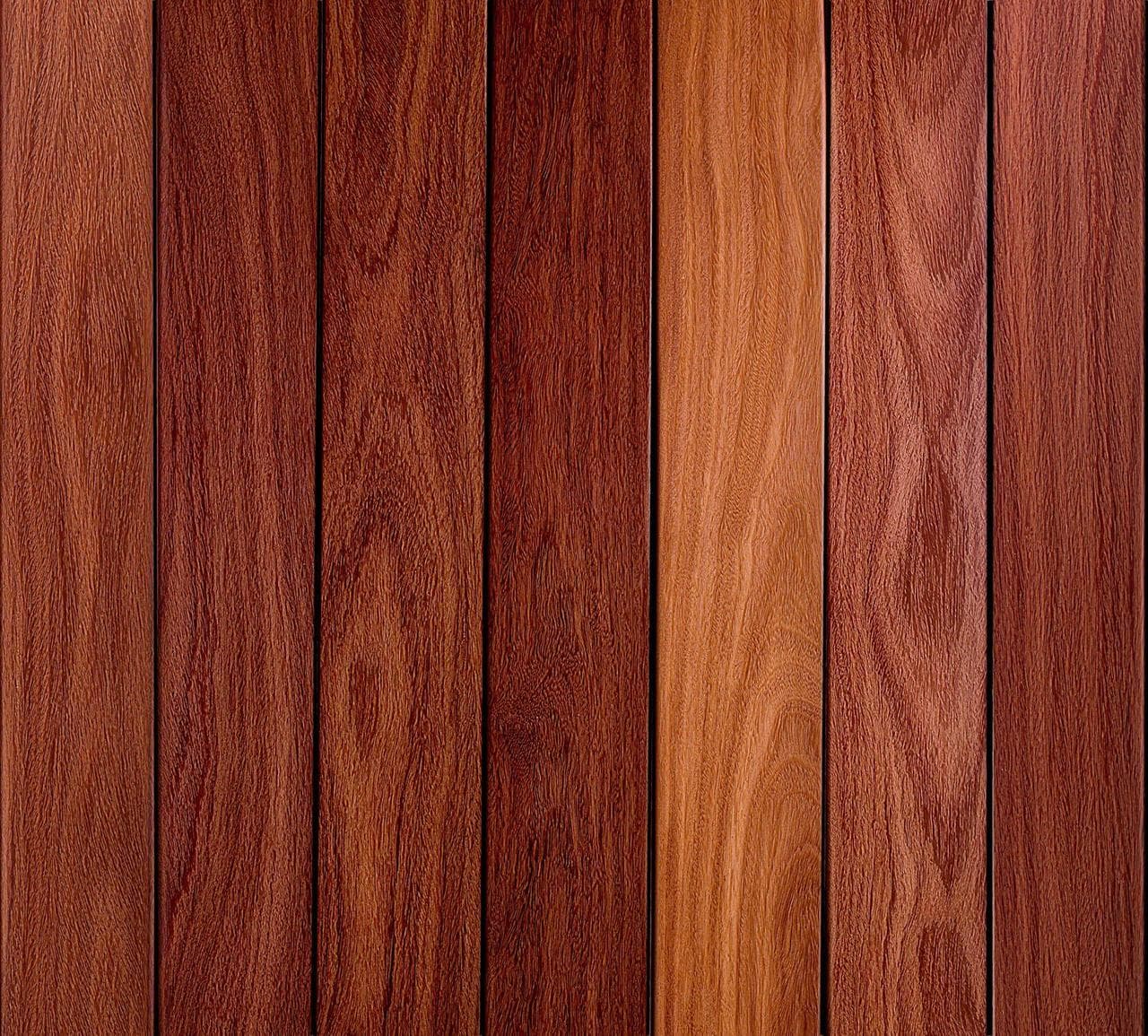
Cumaru is a tropical hardwood known for its durability and strength. It is naturally resistant to termites and weather changes, making it a dependable choice for outdoor applications. When new, Cumaru can exhibit a range of reddish-brown tones, often with a subtle scent of cinnamon and vanilla when worked.
Over time, if left untreated, Cumaru will weather to a silver-gray patina. This natural aging process is an important consideration for repairs, as new boards will not immediately match the weathered appearance of existing ones. Understanding these characteristics is the first step in identifying your current decking.
These properties are consistent across all Cumaru decking, but variations in milling and finishing will affect appearance.
For more details on Cumaru's general properties, refer to our main product page: Cumaru Hardwood Decking.
Identifying Your Decking Profile
The profile of your Cumaru decking refers to its dimensions (thickness and width) and the specific milling of its edges. Common Cumaru decking profiles include 1"x6" (actual 3/4" x 5.5") and 5/4"x6" (actual 1" x 5.5"). These dimensions are critical for ensuring replacement boards fit correctly and align with existing fasteners and substructure.
Beyond the nominal size, examine the edge profile. Is it smooth, grooved for hidden fasteners, or does it have a specific radius? Different manufacturers may offer slight variations in edge milling, even for the same nominal size. Carefully measure the thickness and width of your existing boards, and observe the shape of the edges to determine the exact profile needed. If your deck uses a hidden fastener system, you will need replacement boards with the corresponding groove.
It is also important to consider the length of the boards. While Cumaru decking is available in lengths from 3 to 24 feet, matching existing board lengths can simplify repairs and minimize visible seams, particularly in areas where a full board replacement is necessary.
Considering Board Appearance and Finish
The appearance of Cumaru decking can vary significantly based on its age, exposure to elements, and any applied finishes. New Cumaru boards typically present a range of warm, reddish-brown hues. Over time, UV exposure and weathering will cause the wood to gradually turn a silver-gray if left untreated. If your deck was originally sealed or stained, the color may be different, and the finish itself might have worn off in places.
When selecting replacement boards, you have a few options. If your existing deck is heavily weathered to a silver-gray, new boards will initially stand out. You can choose to let the new boards weather naturally to match, which will take time, or you can apply a compatible deck stain or oil to the new boards to help them blend in. If your deck was previously treated, try to identify the type and color of the original finish to apply to the new boards.
For a more uniform appearance across the entire deck after repairs, some homeowners opt to clean and re-treat the entire deck, including the new boards. This can help to unify the color and protect the wood.
Worked Example: Replacing Damaged Cumaru Boards
Imagine you have a 10-year-old Cumaru deck that measures 12 feet by 16 feet. Over the years, a few boards near a planter have developed some localized damage due to consistent moisture exposure and require replacement. You notice the existing boards are about 5.5 inches wide and 1 inch thick, with a smooth, slightly rounded edge. The deck has weathered to a uniform silver-gray.
Your first step is to accurately measure the damaged boards. Let's say you need to replace two 8-foot-long boards and one 6-foot-long board. You confirm the actual dimensions of your existing boards are 1" x 5.5". You also note the deck uses face fasteners, meaning no special grooved edges are required.
When ordering, you would request Cumaru decking, 1" x 5.5" profile, and specify the lengths needed: two 8-foot boards and one 6-foot board. Since the deck is weathered gray, the new boards will arrive with their natural reddish-brown color. You can decide to let these new boards weather naturally, or you might consider cleaning and applying a clear penetrating oil to the entire deck to refresh its appearance and help the new boards integrate visually over time. This approach ensures structural integrity and a cohesive look.
Fastener Systems and Substructure Compatibility
The type of fastener system used on your Cumaru deck will directly influence the type of replacement boards you need. If your deck uses traditional face fasteners (screws or nails driven through the face of the board), you can use standard Cumaru decking boards. Ensure you use fasteners compatible with dense hardwoods like Cumaru to prevent splitting and ensure secure attachment.
If your deck incorporates a hidden fastener system, the existing boards likely have a specific groove milled into their edges to accommodate the clips. In this case, you will need replacement boards with the identical groove profile. Using boards without this groove would require a different fastening method for the new boards, potentially compromising the hidden fastener aesthetic and installation consistency.
Before beginning any repair, inspect the substructure beneath the damaged boards. Ensure the joists are sound, level, and free from rot or insect damage. A robust substructure is essential for the longevity of both new and existing decking boards. Address any substructure issues before installing new Cumaru boards.
Ordering and Sourcing Replacement Boards
Once you have identified the species (Cumaru), profile (e.g., 1" x 5.5" with smooth edges), and considered the desired finish, you are ready to source replacement boards. It is advisable to order slightly more material than your exact measurements to account for potential cuts, minor imperfections, or future repairs. This also helps ensure color consistency from a single batch.
When requesting a quote, provide the precise dimensions and any specific milling details you identified. Mentioning the age of your existing deck can also be helpful for suppliers to understand the context of your repair project. Always confirm availability and lead times, especially for specific lengths or less common profiles.
Consider ordering complementary items such as appropriate fasteners for Cumaru, any required pre-drilling tools, and a compatible deck oil or cleaner if you plan to treat the new boards or the entire deck. This ensures you have all necessary materials on hand to complete the repair efficiently.
Before you order
- Confirm species: Is it definitely Cumaru (Dipteryx odorata)?
- Measure existing board thickness (e.g., 3/4", 1").
- Measure existing board width (e.g., 5.5").
- Examine edge profile: Smooth, rounded, or grooved for hidden fasteners?
- Identify fastener type: Face-fastened or hidden clips?
- Assess current appearance: Is the deck weathered gray or maintained with an oil/stain?
- Determine required board lengths for replacement.
- Inspect substructure for any necessary repairs.
- Consider ordering extra boards for cuts and future needs.
- Plan for any finish application to new boards or the entire deck.
Confirm installation details, approved uses and warranty terms in the current instructions for the exact product and profile. Your installer should verify the substrate, structure and applicable project requirements.
Questions to help you decide
Will new Cumaru boards match my old, weathered deck?
New Cumaru boards will have their natural reddish-brown color, which will differ from an older, weathered silver-gray deck. You can allow the new boards to weather naturally over time to match, or you can apply a compatible deck oil or stain to help them blend in, potentially after cleaning and refreshing the entire deck.
Do I need special tools to cut and install Cumaru replacement boards?
Pre-drilling pilot holes is essential for face fastening to prevent splitting the boards. Standard woodworking tools can be used, but be prepared for the material's hardness, which can dull tools more quickly than softer woods.
How do I know if my Cumaru deck uses hidden fasteners?
If you don't see any screws or nails on the surface of your deck boards, it likely uses a hidden fastener system. You can often confirm this by looking at the edges of the boards where they meet, or by carefully lifting an end board if possible, to see if there are grooves milled into the sides that hold clips.
Ready to Repair Your Cumaru Deck?
Request a material quote today. Provide your project dimensions, the exact Cumaru profile you need, and your ZIP code to confirm current availability and service options for your replacement boards. Our team can help you find the right materials for a seamless repair.
Request a material quote →