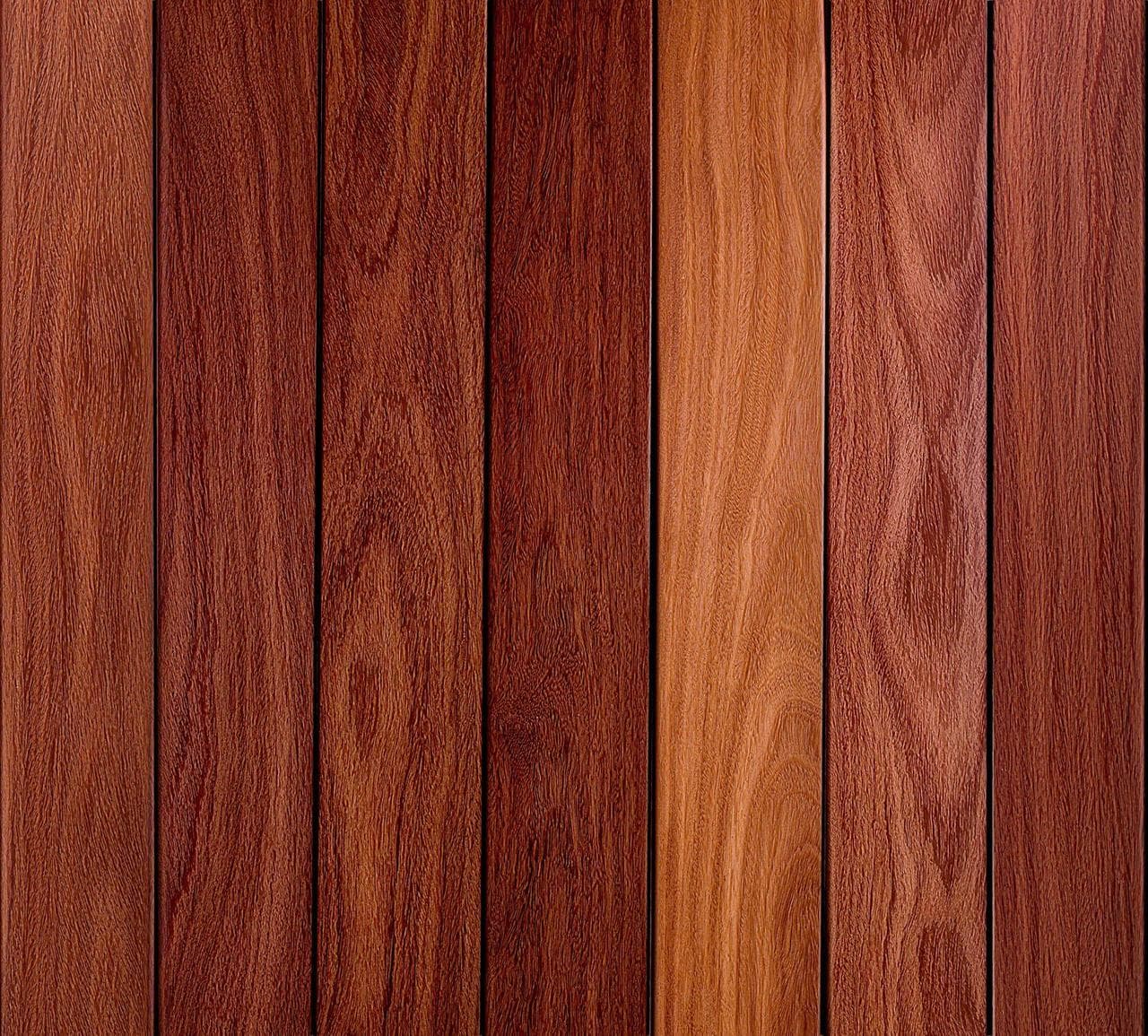
Why Consider Cumaru for a Pool Surround?
Cumaru is a very durable tropical hardwood, naturally resistant to termites, rot, and fungi. This inherent resistance is a significant advantage for areas like pool surrounds, which are routinely exposed to moisture and humidity. Its high density and strength contribute to a stable surface that can withstand the wear and tear of poolside traffic.
These attributes suggest it can endure the specific challenges of a pool environment without rapidly degrading. It is also resistant to weather changes, which is beneficial for outdoor applications.
Cumaru also carries a Class A fire resistance rating, an important safety consideration for any outdoor living space, including those adjacent to a pool.
While Cumaru is resistant to decay, it is important to note that all outdoor wood will benefit from proper drainage and ventilation to prevent prolonged standing water, which can accelerate wear on any material.
Appearance and Finishing Options
Cumaru typically presents a range of warm, reddish-brown tones that can enhance the aesthetic of a pool area. When freshly installed, its color contributes to a natural, inviting look.
Like other hardwoods, Cumaru will naturally weather to a silver-grey patina if left untreated. For those who prefer to maintain the original rich color, periodic application of a suitable oil finish is necessary. This choice in finishing can significantly alter the long-term visual character of your pool surround. Discuss finishing options with your installer and review product-specific recommendations.
Consider how the chosen finish will interact with the pool environment, including potential for slipperiness when wet and compatibility with pool chemicals. Always test any finishing product on a small, inconspicuous area first.
Planning for Wet Conditions and Drainage
A pool surround is inherently a wet area. When designing with Cumaru, ensure adequate drainage is incorporated into the substructure. This means planning for a slight slope away from the pool and ensuring that water can flow freely off and away from the decking surface and supporting framework.
Proper ventilation beneath the deck boards is also crucial. This helps to dry out the wood from below, reducing the risk of moisture accumulation. Consult local building codes and manufacturer guidelines for specific ventilation requirements.
While Cumaru is durable, standing water can still impact its longevity and appearance. Design elements like gaps between boards (following manufacturer specifications for expansion and contraction) are important for water runoff.
Edge Details and Transitions
The edges of a pool surround are high-traffic areas and often define the transition between the deck and the pool coping or other landscaping elements. For Cumaru decking, consider how the board edges will be finished.
Common edge profiles for decking include eased edges (slightly rounded) which can be more comfortable underfoot. Fascia boards can be used to create a clean, finished look around the perimeter, concealing the substructure. Ensure all exposed cuts are sealed to help protect the wood.
When connecting Cumaru decking to other materials, such as concrete coping or pavers, plan for appropriate expansion gaps and transition details. These details not only affect the appearance but also the structural integrity and longevity of the deck.
For a seamless look, consider using Cumaru for steps leading to the pool area, ensuring consistent material and finish.
Hypothetical Project Example: A 15x20 Foot Pool Deck
Imagine a rectangular pool requiring a Cumaru deck surround measuring 15 feet by 20 feet. For this example, we will assume standard 5/4"x6" Cumaru decking boards, which typically measure 1" x 5.5" actual dimensions. We will use 12-foot length boards to minimize waste where possible.
Total area: 15 ft * 20 ft = 300 square feet.
To calculate the number of boards, we first determine the linear footage needed. If boards are laid parallel to the 20-foot dimension, you would need 15 feet / 5.5 inches (0.458 feet) = approximately 32.75 boards across the width. Since you can't have partial boards, you'd need 33 board runs. Each run is 20 feet long. Total linear footage: 33 runs * 20 feet/run = 660 linear feet.
Using 12-foot length boards: 660 linear feet / 12 feet/board = 55 boards. This calculation does not account for cutting waste, which is inevitable. A common practice is to add 10-15% for cuts and unforeseen issues. For this project, let's add 15%: 55 boards * 1.15 = 63.25 boards. Therefore, you would order 64 boards of 12-foot Cumaru decking.
This example simplifies the process and does not include factors like picture framing, diagonal layouts, or specific board spacing requirements, which would further refine the quantity needed. Always consult with a professional for precise material takeoffs.
Complementary products for this project might include:
Decking: Hardwood - https://www.lumberplus.com/decking/hardwood
Decking: Ipe - https://www.lumberplus.com/decking/hardwood/ipe
Decking: Composite - https://www.lumberplus.com/decking/composite
Decking: PVC - https://www.lumberplus.com/decking/pvc
Before you order
- Confirm local building codes for pool deck materials and installation.
- Evaluate desired aesthetic: natural silvering vs. maintained color with oil finish.
- Plan for adequate drainage and ventilation beneath the deck.
- Select appropriate board profiles and edge finishes for comfort and safety.
- Consider the structural requirements for the deck substructure in a wet environment.
- Review cleaning and maintenance routines specific to Cumaru in a pool surround.
- Account for expansion and contraction of Cumaru in your design.
- Verify compatibility of any chosen finishes or sealants with pool chemicals.
Confirm installation details, approved uses and warranty terms in the current instructions for the exact product and profile. Your installer should verify the substrate, structure and applicable project requirements.
Questions to help you decide
Does Cumaru get slippery when wet?
All decking materials can become slippery when wet, especially with pool water and certain residues. While Cumaru is a dense hardwood, it is important to implement good drainage and consider surface texture during installation. Regular cleaning can help remove any build-up that might contribute to slipperiness.
How do I maintain Cumaru decking around a pool?
Maintenance for Cumaru decking around a pool involves regular cleaning to remove dirt, debris, and pool chemical residues. If you wish to maintain its original color, periodic application of a UV-inhibiting oil finish will be necessary. If left untreated, Cumaru will naturally weather to a silver-grey patina. Always use cleaning products compatible with Cumaru and follow manufacturer guidelines.
Is Cumaru resistant to chlorine or saltwater?
Cumaru is naturally resistant to weather changes and suitable for hydraulic works in both fresh and seawater. However, prolonged exposure to concentrated pool chemicals like chlorine or saltwater can still affect any decking material over time. Regular rinsing and cleaning of the deck surface after pool use can help mitigate potential impacts. Always consult product-specific guidelines for chemical resistance.
Ready to Plan Your Cumaru Pool Deck?
Request a material quote today. Provide your project dimensions, desired Cumaru profile, and ZIP code to confirm current availability and service options.
Request a material quote →