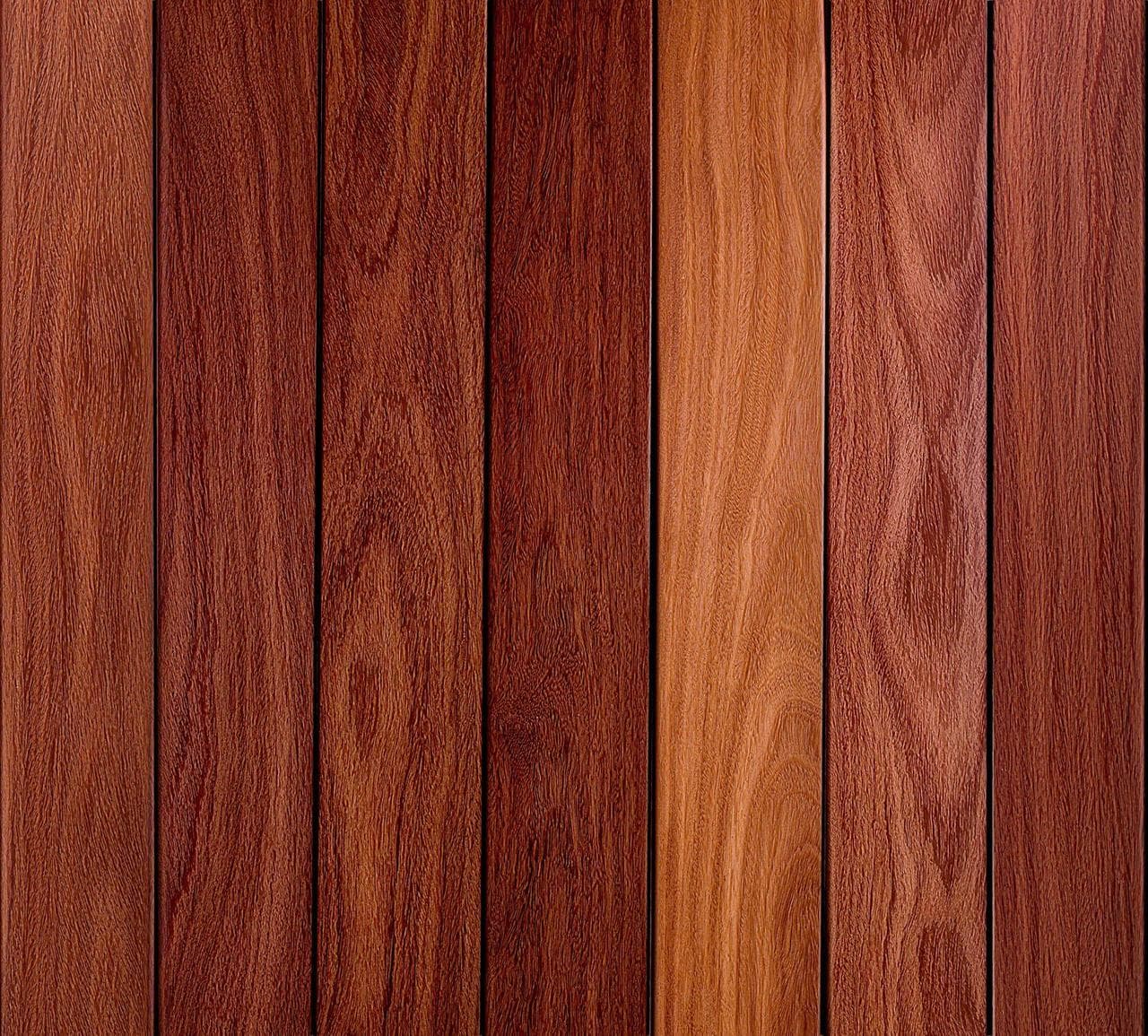
Understanding Cumaru's Properties for Outdoor Kitchen Use
These characteristics contribute to its durability and resistance to wear, making it a strong candidate for high-traffic areas like an outdoor kitchen. It is naturally resistant to termites, rot, and fungi, and resistant to weather changes. (Source: S1)
Crucially for outdoor kitchens, Cumaru carries a Class A fire resistance rating. Direct contact with extreme heat, such as from a grill's open flame or hot coals, should still be prevented. Proper clearances and protective barriers are essential. (Source: S1)
Planning Appliance Clearances and Placement
The placement of outdoor kitchen appliances, especially grills and cooktops, is critical for safety. Always refer to the manufacturer's installation instructions for specific clearance requirements from combustible materials. These clearances typically involve distances from the back and sides of the appliance to any adjacent surfaces, including deck boards.
For built-in grills, consider using non-combustible countertop materials and ensuring adequate ventilation. If your grill is a freestanding unit, it should be placed on a non-combustible mat or surface to protect the Cumaru decking from grease splatters or accidental hot coal drops. Ensure easy access for cleaning behind and around appliances to prevent grease buildup, which can be a fire hazard.
Structural Support for Heavy Kitchen Elements
Outdoor kitchen components like built-in grills, stone countertops, refrigerators, and sinks can be significantly heavy. The deck's substructure must be designed to accommodate these concentrated loads. Standard deck framing may not be sufficient for heavy kitchen islands or masonry components.
Consulting with a structural engineer or an experienced deck builder is recommended to assess and reinforce the joist and beam system in areas where heavy kitchen elements will be placed. This may involve adding extra joists, increasing joist size, or incorporating additional support posts and footings directly beneath the kitchen footprint.
Utility Connections and Deck Integration
Outdoor kitchens often require electrical outlets, gas lines, and water connections. Plan the routing of these utilities carefully to comply with local building codes and safety standards. Gas lines and electrical wiring should be installed by qualified professionals.
Ensure that any penetrations through the Cumaru decking for utility lines are properly sealed to prevent water intrusion into the substructure. Consider access panels for future maintenance of plumbing and electrical components without having to dismantle large sections of the deck.
Designing for Flow and Functionality
Beyond the technical aspects, consider the user experience. Design the outdoor kitchen area with a logical workflow, similar to an indoor kitchen. Think about the "work triangle" – refrigerator, sink, and grill – and how they relate to each other.
Allow ample counter space for food preparation and serving. Ensure there's enough clear space around the grill for safe operation and comfortable movement. Integrating dining areas or seating nearby will enhance the outdoor living experience, keeping in mind traffic patterns and clearances for chairs and tables.
Worked Example: Integrating a Grill Island
Consider a hypothetical outdoor kitchen with a built-in grill island measuring 6 feet long by 30 inches deep, positioned on a Cumaru deck.
To accommodate this, the grill island itself would need to be constructed with non-combustible materials where it surrounds the grill. For the Cumaru decking, this means the island's structure should not be directly supported by the deck boards at the grill's immediate vicinity. Instead, the island should either have its own dedicated, non-combustible foundation that extends above the deck surface, or the deck joists beneath the island should be significantly reinforced and potentially topped with a non-combustible sub-deck material.
If the grill island has a heavy stone countertop and includes a mini-fridge, the section of the deck's substructure directly beneath this 6-foot by 2.5-foot area would require additional support. This ensures the deck can bear the concentrated load without sagging or compromising its integrity over time.
Before you order
- Verify local building codes for outdoor kitchen installations and clearances.
- Review all appliance manufacturer specifications for minimum clearances to combustible materials.
- Determine the exact footprint and weight of all outdoor kitchen components (grill, counters, fridge, sink).
- Assess the existing or planned deck substructure for adequate load-bearing capacity; plan for reinforcement if needed.
- Map out utility line routes (gas, electric, water) and plan for professional installation and proper sealing.
- Design the kitchen layout for safe workflow, access, and ventilation.
- Consider non-combustible materials for grill surrounds, countertops, and protective mats.
- Plan for easy access to utilities for future maintenance.
- Account for drainage around sinks and appliances to prevent water pooling on the deck.
Confirm installation details, approved uses and warranty terms in the current instructions for the exact product and profile. Your installer should verify the substrate, structure and applicable project requirements.
Questions to help you decide
Is Cumaru decking safe to use near a grill?
Cumaru has a Class A fire resistance rating, which indicates a level of protection against flame spread. Always follow appliance manufacturer guidelines for minimum clearances from combustible materials. Use non-combustible mats or surfaces directly under and around grills to protect the decking from heat, embers, and grease. (Source: S1)
Do I need special structural support for an outdoor kitchen on a Cumaru deck?
Yes, outdoor kitchen components such as built-in grills, stone countertops, and appliances can be very heavy. Standard deck framing may not be sufficient to support these concentrated loads. It is highly recommended to reinforce the deck's substructure, potentially adding extra joists, beams, or support posts, in the areas directly beneath the outdoor kitchen elements. Consulting a structural engineer is advisable.
How do I protect Cumaru decking from grease and spills in an outdoor kitchen?
While Cumaru is a dense hardwood, grease and spills should be cleaned promptly to prevent staining. Placing non-combustible, easy-to-clean mats or trays under grills and prep areas can help catch drips and make cleanup easier. Regular cleaning of the decking, as per manufacturer recommendations, will help maintain its appearance.
Plan Your Cumaru Decking for an Outdoor Kitchen
Ready to build your dream outdoor kitchen with Cumaru decking? Request a material quote by providing your project dimensions, desired Cumaru profile (e.g., 1"x6" or 5/4"x6"), and ZIP code. We can confirm current availability and service options for your project. (Source: S1)
Request a material quote →