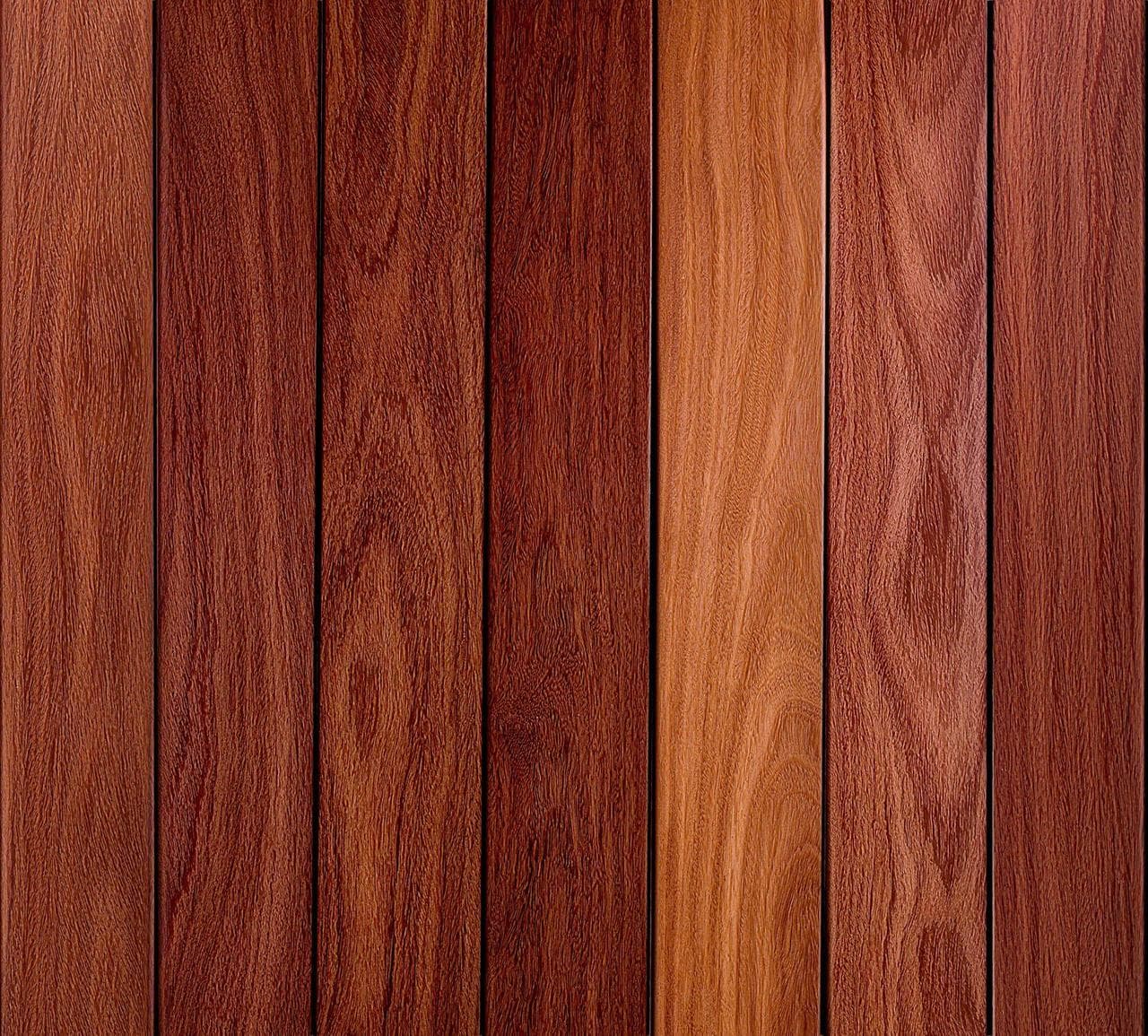
Understanding Cumaru Decking as a Material Choice
Cumaru is a tropical hardwood, botanically known as Dipteryx odorata, originating from Brazil. These properties contribute to its reputation as a very durable material. When worked, Cumaru can emit a scent of cinnamon and vanilla.
Its natural resistance to termites, rot, and fungi, along with its ability to withstand weather changes, make it suitable for various demanding applications beyond decking, such as bridges and heavy carpentry. Cumaru also holds a Class A fire resistance rating. These inherent qualities mean that, from a structural perspective, Cumaru performs robustly with minimal intervention.
Initial Purchase Cost: Cumaru Decking Material
The primary initial cost for Cumaru decking is the material itself. Cumaru is typically available in profiles such as 1"x6" (3/4" x 5.5" finished) and 5/4"x6" (1" x 5.5" finished), with lengths ranging from 3 to 24 feet. These boards are usually kiln-dried (KD).
While specific prices vary, Cumaru is considered a premium hardwood decking option due to its inherent qualities. The total material cost will depend on the square footage of your deck, the chosen board profile, and any additional components like fascia, trim, or specialized fasteners. It is essential to get an accurate quote based on your project dimensions and desired profiles to establish this foundational cost.
Installation Costs and Considerations
Installation costs are a significant part of the initial budget. Cumaru is a dense and hard wood, which can make it challenging to work with. Its high density and silica content can dull tools, and its oil content may complicate gluing. This might mean that installation, whether DIY or professional, could take more time and require specific tools or techniques compared to softer woods or composite materials.
Professional installation will include labor costs, which can be influenced by the complexity of the deck design, the chosen fastening method (e.g., face-fastening vs. hidden fasteners), and local labor rates. Even for DIY projects, consider the cost of appropriate saw blades, drill bits, and fasteners that are compatible with hardwood.
Ongoing Ownership Tasks: Aesthetic Maintenance
Cumaru decking, like many natural hardwoods, will weather to a silver-gray if left untreated. This is a natural process and does not affect the structural integrity of the wood, which is naturally resistant to decay and insects.
If you prefer to maintain the original rich color of Cumaru, regular application of a suitable deck oil or sealant is necessary. This aesthetic maintenance task involves cleaning the deck, allowing it to dry, and then applying the finish. The frequency of this task can depend on local climate, sun exposure, and personal preference, typically ranging from annually to every few years. This represents an ongoing cost in terms of time, labor, and materials (cleaning solutions, oil/sealant, applicators).
It is important to confirm cleaning product compatibility with Cumaru decking before application.
Long-Term Ownership Tasks: Structural and Repair Checks
While Cumaru is known for its durability and resistance, periodic inspections are a prudent long-term ownership task. These checks should focus on the deck's substructure, fasteners, and overall stability. For Cumaru itself, its natural resistance means it is less prone to common issues like insect damage or rot that might affect other wood types.
Should a board become damaged, Cumaru allows for individual board replacement. Identifying the exact product profile and dimensions is crucial for a seamless repair. This task, while infrequent, should be factored into the overall long-term budget as a potential future expense for materials and labor.
Worked Example: Lifecycle Budget for a 200 sq ft Cumaru Deck
Let's consider a hypothetical 200 square foot Cumaru deck project. We'll use 1" x 5.5" (5/4" x 6" nominal) kiln-dried Cumaru boards for this example. These are illustrative figures and actual costs will vary.
Initial Purchase Costs:
Build this part of the estimate from the current supplier quote. Record the exact product, quoted unit, quantity, compatible accessories and delivery costs separately so assumptions do not become advertised prices.
Build this part of the estimate from the current supplier quote. Record the exact product, quoted unit, quantity, compatible accessories and delivery costs separately so assumptions do not become advertised prices.
Build this part of the estimate from the current supplier quote. Record the exact product, quoted unit, quantity, compatible accessories and delivery costs separately so assumptions do not become advertised prices.
Build this part of the estimate from the current supplier quote. Record the exact product, quoted unit, quantity, compatible accessories and delivery costs separately so assumptions do not become advertised prices.
Build this part of the estimate from the current supplier quote. Record the exact product, quoted unit, quantity, compatible accessories and delivery costs separately so assumptions do not become advertised prices.
Ongoing Ownership Tasks (over 10 years, assuming annual oiling):
Build this part of the estimate from the current supplier quote. Record the exact product, quoted unit, quantity, compatible accessories and delivery costs separately so assumptions do not become advertised prices.
Build this part of the estimate from the current supplier quote. Record the exact product, quoted unit, quantity, compatible accessories and delivery costs separately so assumptions do not become advertised prices.
Build this part of the estimate from the current supplier quote. Record the exact product, quoted unit, quantity, compatible accessories and delivery costs separately so assumptions do not become advertised prices.
Labor (DIY): Approximately 4-6 hours per year for cleaning and oiling. Total over 10 years: 40-60 hours of personal time.
Build this part of the estimate from the current supplier quote. Record the exact product, quoted unit, quantity, compatible accessories and delivery costs separately so assumptions do not become advertised prices.
This example highlights that while the initial material cost for Cumaru is an investment, the ongoing aesthetic maintenance costs and time commitment are also significant factors in the long-term budget, especially if you choose to preserve its original color.
Before you order
- Determine your desired aesthetic: Will you allow Cumaru to weather to silver-gray, or will you maintain its original color?
- Assess your budget for ongoing maintenance: How much are you willing to spend annually on cleaning and sealing products?
- Evaluate your time commitment: Do you have the time for annual DIY maintenance, or will you budget for professional services?
- Consider the deck's exposure: Decks in full sun or harsh climates may require more frequent maintenance.
- Factor in installation complexity: Are you prepared for the challenges of working with dense hardwood, or will you hire experienced installers?
- Obtain detailed quotes: Get specific pricing for Cumaru decking, fasteners, and installation labor based on your project dimensions.
- Plan for future repairs: Budget for potential individual board replacements and the cost of matching materials.
Confirm installation details, approved uses and warranty terms in the current instructions for the exact product and profile. Your installer should verify the substrate, structure and applicable project requirements.
Questions to help you decide
How does Cumaru's durability affect its lifecycle cost?
The primary ongoing costs are related to aesthetic maintenance if you wish to preserve its original color.
Is it more cost-effective to let Cumaru weather naturally?
Allowing Cumaru to weather to a natural silver-gray can be more cost-effective in terms of ongoing ownership. This eliminates the annual or bi-annual expense of purchasing and applying deck cleaners and sealants, as well as the time or labor costs associated with these tasks. The wood's structural integrity is maintained regardless of whether it is oiled or allowed to weather.
What are the key tradeoffs between Cumaru and other decking materials for lifecycle budgeting?
Cumaru offers natural beauty, extreme hardness, and robust resistance without chemical treatments, leading to lower structural maintenance needs. However, it typically has a higher initial material cost and requires more effort during installation due to its density. Composite or PVC decking might have lower aesthetic maintenance needs (no oiling required) and potentially easier installation, but their initial material cost can also be high, and they do not offer the unique characteristics of natural hardwood.
Ready to Plan Your Cumaru Decking Project?
Request a material quote with your project dimensions, exact profile, and ZIP code to confirm current availability and service options for Cumaru decking.
Request a material quote →