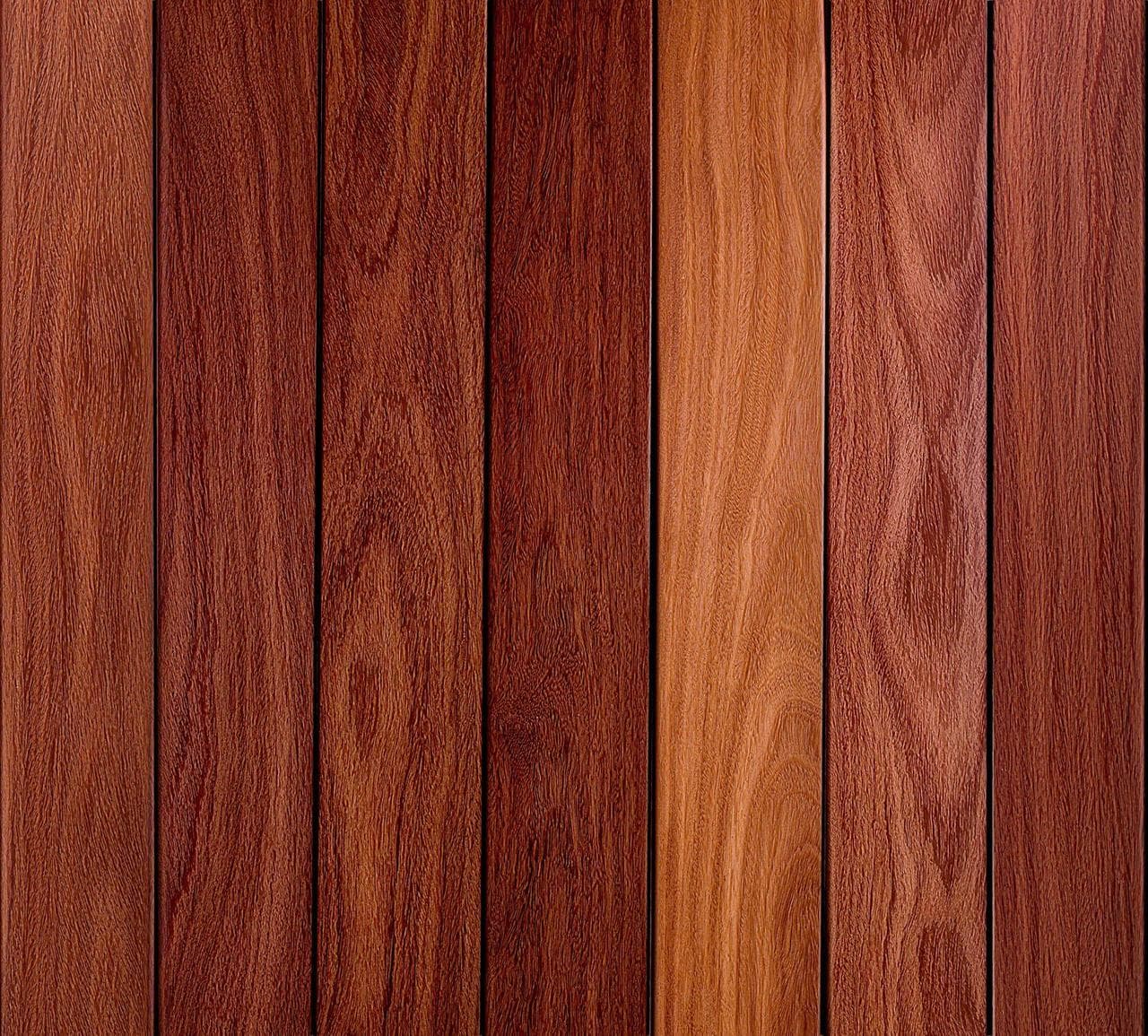
Understanding Cumaru's Properties in Full Sun
These characteristics contribute to its stiffness, strength, and extreme hardness. This inherent density and hardness mean Cumaru can withstand significant wear and tear, which is beneficial in high-traffic areas or spaces exposed to the elements.
Its natural resistance to termites, rot, and fungi, along with a reported Class A fire resistance, further underscores its suitability for outdoor applications. While Cumaru is resistant to weather changes, prolonged exposure to intense sunlight will cause the wood to naturally weather to a silver-grey patina over time if left untreated. This change in color is a natural process for many hardwoods when exposed to UV light and moisture. Regular maintenance, such as applying a UV-inhibiting oil, can help preserve its original color.
Surface Temperature and Comfort Considerations
Any decking material, including Cumaru, will absorb solar radiation and increase in surface temperature when exposed to full sun. The extent of this temperature increase depends on factors such as ambient air temperature, board color, and the intensity and duration of direct sunlight. While Cumaru is robust, its dark reddish-brown tones can lead to higher surface temperatures compared to lighter-colored materials.
For decks in full sun, it is important to consider user comfort. Walking barefoot on a Cumaru deck that has been baking in direct sunlight can be uncomfortable, especially during peak summer hours. This is a common characteristic of many dense, dark decking materials. Planning for shaded areas or using outdoor rugs can mitigate this concern, making the deck more enjoyable throughout the day.
The Role of Shade Planning in Deck Design
Integrating shade into a full-sun deck design is crucial for both comfort and potentially extending the aesthetic life of your Cumaru decking. While Cumaru is durable, consistent protection from the most intense midday sun can help slow the natural weathering process and keep the deck surface cooler. Consider incorporating permanent or temporary shade structures:
Permanent options include pergolas, gazebos, or strategically planted deciduous trees that provide shade in summer and allow sun penetration in winter. Temporary solutions like umbrellas, retractable awnings, or shade sails offer flexibility, allowing you to control sun exposure as needed throughout the day and year.
When designing, think about the sun's path across your deck at different times of the day and year. A well-placed shade structure can transform a scorching deck into a comfortable outdoor living space.
Maintaining Cumaru in Sun-Exposed Environments
While Cumaru is naturally resistant to decay and insects, its appearance in full sun will evolve without specific maintenance. To maintain the rich, reddish-brown tones of new Cumaru, regular application of a UV-inhibiting oil is recommended. This oil helps to nourish the wood and protect it from the sun's bleaching effects.
If you prefer the silver-grey patina that Cumaru develops naturally, minimal maintenance is required beyond routine cleaning. In either case, keeping the deck free of debris and cleaning it periodically will help prevent mildew growth and maintain its overall condition. Always follow the manufacturer's recommendations for specific cleaning and finishing products to ensure compatibility with Cumaru.
For decks with heavy sun exposure, consider a maintenance schedule that involves cleaning and re-oiling more frequently than for a shaded deck. This proactive approach can help preserve the desired aesthetic and protect the wood.
Worked Example: Planning a Cumaru Deck for a South-Facing Yard
Consider a homeowner planning a new 12-foot by 20-foot deck for their south-facing backyard, which receives direct sunlight from morning until late afternoon. They are interested in Cumaru decking for its durability and appearance. The goal is to create a comfortable outdoor dining and lounging area.
Given the full sun exposure, the homeowner decides to incorporate a 10-foot by 12-foot attached pergola over the dining area, oriented to block the harshest midday sun. For the lounging area, a large cantilevered umbrella will provide flexible shade. They also plan to use a UV-inhibiting oil finish on the Cumaru boards to help preserve the original color, understanding that reapplication will be part of their annual maintenance.
The deck will require 240 square feet of Cumaru decking. For 1"x6" (actual 3/4" x 5.5") boards, each lineal foot covers approximately 0.458 square feet (5.5 inches / 12 inches per foot). Therefore, 240 sq ft / 0.458 sq ft/LF = approximately 524 lineal feet. Accounting for cuts and waste, they might order around 575-600 lineal feet. They also plan for proper ventilation underneath the deck to prevent moisture buildup, which is especially important in hot climates. This combination of material choice, shade planning, and consistent maintenance aims to create a durable and enjoyable outdoor space.
Before you order
- Assess the exact sun exposure: How many hours of direct sun does the deck area receive?
- Consider desired aesthetic: Do you prefer Cumaru's natural silver-grey patina or its original rich color?
- Evaluate comfort needs: Will people be walking barefoot? What are the peak surface temperatures likely to be?
- Plan for shade: What permanent or temporary shade structures (pergolas, umbrellas, awnings) can be integrated?
- Determine maintenance commitment: Are you prepared for regular oiling to maintain color, or will you embrace natural weathering?
- Review ventilation: Ensure adequate airflow under the deck to manage moisture and heat.
- Request physical samples: Observe how Cumaru samples react to direct sunlight over a few days in your specific location.
- Consult product documentation: Confirm exact installation and maintenance guidelines for Cumaru in high-sun exposure.
Confirm installation details, approved uses and warranty terms in the current instructions for the exact product and profile. Your installer should verify the substrate, structure and applicable project requirements.
Questions to help you decide
Will Cumaru decking get hot in full sun?
Yes, like most dense decking materials, Cumaru will absorb solar radiation and its surface temperature will increase significantly when exposed to full sun. Darker colors tend to absorb more heat. Planning for shade and considering footwear are practical approaches for comfort.
How do I prevent Cumaru from turning grey in the sun?
To preserve Cumaru's original rich color and prevent it from weathering to a silver-grey patina, you will need to regularly apply a UV-inhibiting oil finish. The frequency of reapplication will depend on the intensity of sun exposure and the specific product used. Consistent maintenance is key.
Is Cumaru a good choice for a deck that gets a lot of sun?
Cumaru is a very durable and strong hardwood, naturally resistant to rot and insects, making it suitable for demanding outdoor environments. Its inherent properties allow it to perform well even with significant sun exposure. However, managing surface temperature for comfort and committing to maintenance for color preservation are important considerations for a full-sun deck.
Ready to Plan Your Cumaru Deck?
Request a material quote with your project dimensions, desired Cumaru profile, and ZIP code. We can confirm current availability and service options for your project. Explore our full range of Cumaru decking and other hardwood options today.
Request a material quote →