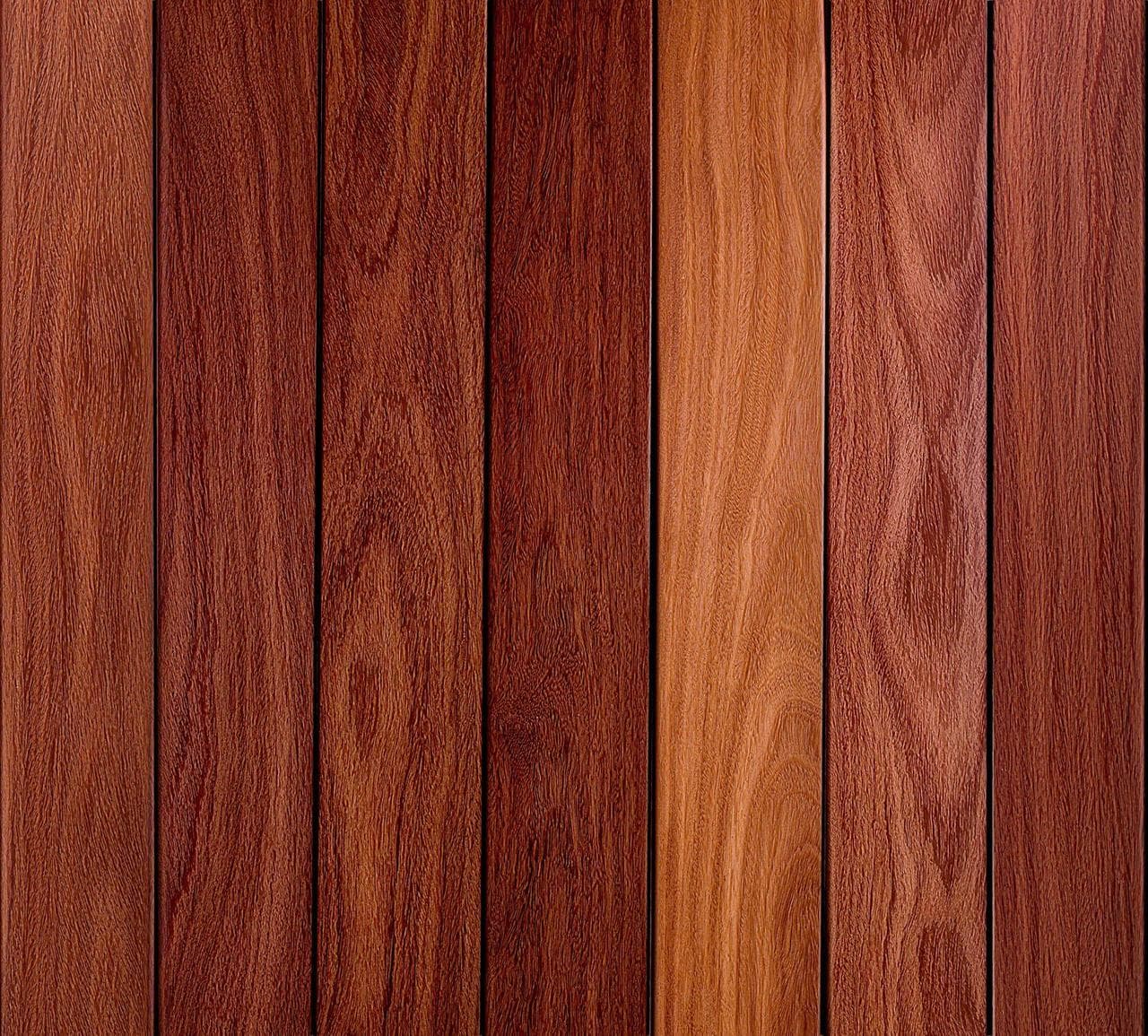
Understanding Cumaru Fascia and Its Purpose
Fascia boards are typically installed vertically along the perimeter of the deck, covering the rim joist and the exposed ends of the deck boards. Their primary purpose is aesthetic, providing a neat, finished edge that hides the structural components beneath the deck surface. Beyond aesthetics, fascia also offers a degree of protection to the rim joist from weather exposure.
Cumaru is a very durable tropical hardwood, resistant to termites and weather changes, making it suitable for demanding exterior applications. Its stiffness, strength, and extreme hardness contribute to its longevity. Using Cumaru for fascia ensures material consistency with the deck surface, which can lead to a more uniform weathering process and a cohesive appearance over time. (S1)
Selecting Cumaru Fascia Board Dimensions
Cumaru decking is typically available in standard profiles like 1"x6" (actual 3/4" x 5.5") and 5/4"x6" (actual 1" x 5.5"). These dimensions are often suitable for fascia applications, depending on the height of your deck frame. The goal is to select a fascia board that fully covers the rim joist and any exposed joist hangers or fasteners.
However, for deeper rim joists or specific design preferences, wider boards may be necessary. If a standard decking board width is insufficient, custom milling or joining multiple boards may be considered, although this adds complexity and cost. Ensure the chosen fascia board width provides adequate coverage and visual balance with the deck's overall scale.
Fastening Cumaru Fascia Boards
Proper fastening is crucial for Cumaru fascia due to the wood's density and tendency to move with changes in moisture. Face-fastening is a common method for fascia. Predrilling pilot holes is essential to prevent splitting, especially near board ends and edges. Stainless steel screws are recommended for their corrosion resistance, which helps prevent staining on the Cumaru.
Consider the expansion and contraction of the Cumaru. While less pronounced than some other wood species, Cumaru will still experience some movement. Fasteners should allow for this movement to minimize stress on the boards. Some installers opt for slightly oversized pilot holes or specialized fastening systems designed for hardwood fascia to accommodate this. Avoid overtightening fasteners, which can restrict natural movement.
Complementary Trim and Edge Finishes
Beyond the primary fascia, consider other trim elements to complete your Cumaru deck. These might include: stair risers, which benefit from the same durable, consistent material as the fascia; corner boards, used to create a clean transition at outside corners of the fascia; and specialized trim pieces for built-in benches or planters, if desired.
Maintaining material consistency across all visible wood elements ensures a unified design. If using Cumaru for the deck surface, continuing with Cumaru for fascia, stair risers, and other trim creates a high-quality, integrated look. This also simplifies maintenance, as all wood components will respond similarly to weather and finishing treatments.
Worked Example: Fascia for a 12'x16' Cumaru Deck
The deck will have fascia on all four sides. We plan to use 1"x6" Cumaru boards (actual 3/4" x 5.5") for the fascia.
For the perimeter, we need two 16-foot lengths and two 12-foot lengths. To account for mitered corners or potential waste, it's prudent to order slightly more. If we assume a straight butt joint at the corners, we would purchase two 16-foot boards and two 12-foot boards. However, for mitered corners and to allow for cuts, it is safer to order four 16-foot boards to ensure sufficient material for clean cuts and to accommodate any minor imperfections or mistakes. This ensures all four sides can be cut from longer stock, minimizing visible seams and optimizing material use.
This pattern provides secure attachment while allowing for some wood movement. Always confirm specific fastening recommendations for your chosen Cumaru profile and local building practices.
Before you order
- Confirm the exact dimensions of your deck's rim joists and any exposed framing.
- Decide on the desired height and profile of your Cumaru fascia boards.
- Determine if standard Cumaru decking profiles (e.g., 1"x6", 5/4"x6") will meet your aesthetic and coverage needs.
- Plan for corner treatments (butt joints, mitered corners) and factor this into board length requirements.
- Select appropriate stainless steel fasteners (screws, hidden systems) and confirm predrilling requirements.
- Identify any additional trim pieces needed (stair risers, corner boards, planter trim) and their dimensions.
- Calculate total linear footage for all fascia and trim, adding a waste factor (typically 10-15%).
- Consider the aesthetic impact of Cumaru's natural color variation and how it will weather alongside the deck surface.
- Review installation guidelines for Cumaru fascia to ensure proper spacing and fastening for wood movement.
Confirm installation details, approved uses and warranty terms in the current instructions for the exact product and profile. Your installer should verify the substrate, structure and applicable project requirements.
Questions to help you decide
Can I use regular Cumaru deck boards for fascia?
Yes, standard Cumaru deck boards like 1"x6" (3/4" x 5.5") or 5/4"x6" (1" x 5.5") are commonly used for fascia. The key is to select a board width that adequately covers your deck's rim joist and provides the desired aesthetic. Using the same material ensures a consistent look and weathering.
What type of fasteners should I use for Cumaru fascia?
Stainless steel screws are highly recommended for fastening Cumaru fascia. They offer excellent corrosion resistance, which is important for preventing unsightly staining on the hardwood. Always predrill pilot holes to prevent splitting, especially with Cumaru's density. Consider trim head screws for a less visible finish.
How do I account for wood movement with Cumaru fascia?
Cumaru, like all natural wood, will expand and contract with changes in humidity and temperature. To accommodate this, predrill pilot holes slightly larger than the screw shank, especially if using a face-fastening method. Avoid overtightening screws, which can restrict movement and lead to stress cracks. Proper fastening allows the board to move naturally without damage.
Request a Material Quote for Your Cumaru Deck Fascia
Ready to finalize your Cumaru deck project? Provide your project dimensions, desired Cumaru profile for both decking and fascia, and your ZIP code. Our team can help confirm current availability and service options for your order, ensuring you have all the materials needed for a polished finish.
Request a material quote →