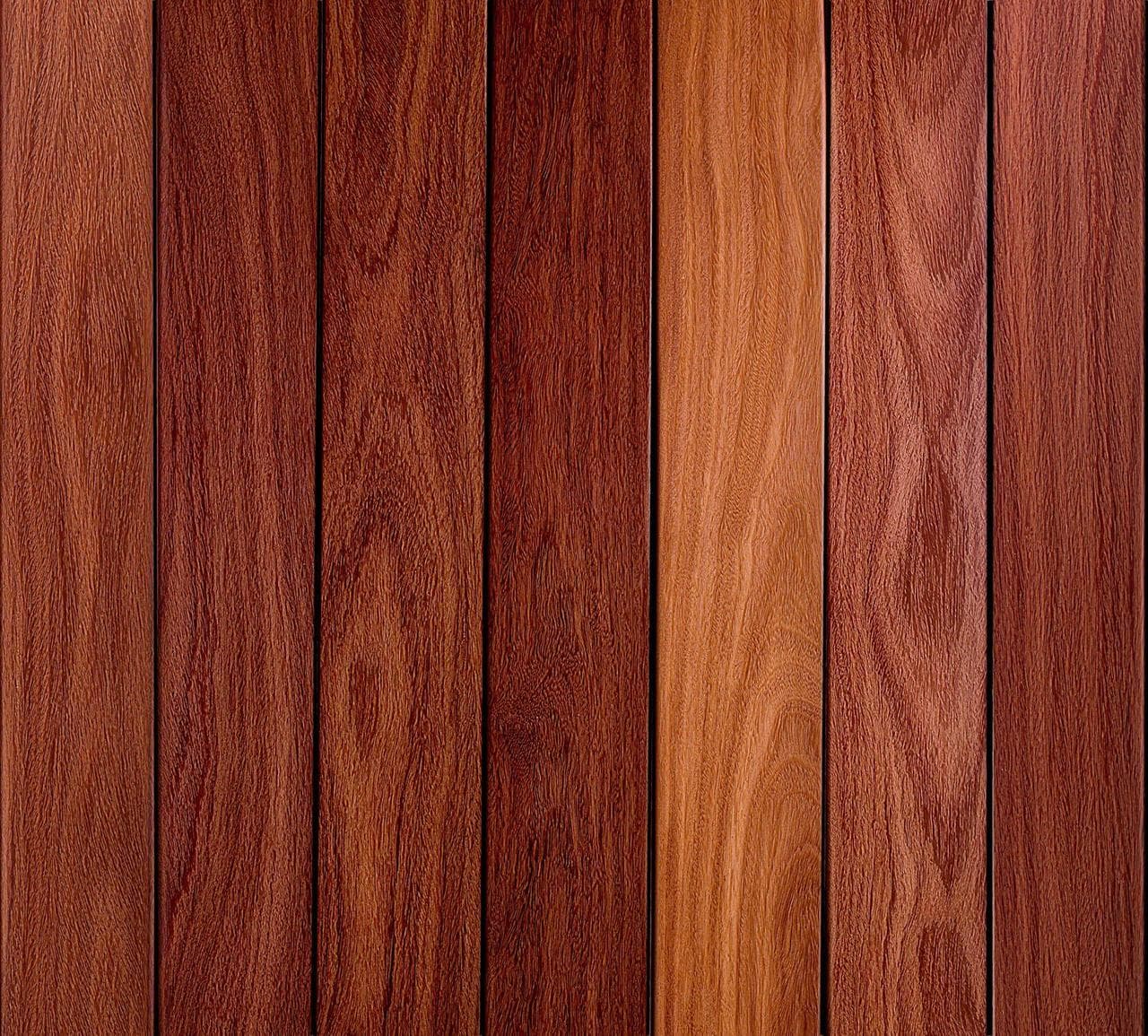
Why Choose Face-Fastening for Cumaru Decking?
Face-fastening involves driving screws directly through the face of the deck board into the supporting joist. This method is often preferred for its strength and reliability, particularly with dense hardwoods like Cumaru. The direct connection can offer a very strong hold, resisting uplift and lateral movement, which is beneficial for decks in areas subject to high winds or heavy foot traffic.
While the visible screw heads or plugs are a characteristic of this method, many find the robust connection and ease of inspection to be significant advantages. For Cumaru, with its extreme hardness and durability, face-fastening is a proven method to ensure the boards are firmly anchored for decades.
Selecting the Right Screws for Cumaru
Specialized screws designed for hardwoods are essential.
Consider screws with a self-tapping or cutting tip, which can help initiate the hole and reduce the torque required for driving. Some screws also feature reverse threading near the head to help pull the board down tight and prevent mushrooming of the wood surface. The head style, such as a trim head or bugle head, will influence the final appearance, especially if you plan to plug the holes.
The Importance of Pilot Holes
Due to Cumaru's extreme hardness, drilling pilot holes is not optional; it is a critical step to prevent splitting the deck boards. Without adequately sized pilot holes, attempting to drive screws directly into Cumaru will likely result in cracked boards, damaged screws, or improper seating. The diameter of the pilot hole should be slightly smaller than the shank of the screw, but large enough to allow the screw to pass without undue force.
The depth of the pilot hole should match the length of the screw, ensuring the screw can fully engage the joist. For plug applications, the countersink should be deep enough to accommodate both the screw head and the plug, ensuring the plug sits flush with the deck surface. Always test your pilot hole and countersink on a scrap piece of Cumaru to confirm the correct size and depth before beginning the main installation.
Using Plugs for a Clean Finish
For those who prefer a fastener-free appearance, wood plugs made from Cumaru can be used to conceal the screw heads. After drilling the pilot hole and countersink, the screw is driven, and then a Cumaru plug is glued into the countersunk hole. The plug is typically glued in with an exterior-grade adhesive and then sanded flush with the deck surface. This method creates a smooth, continuous surface that highlights the natural beauty of the Cumaru.
When using plugs, it is crucial to ensure the plugs are cut from the same species of wood as the decking to ensure consistent color and weathering. The plugs should fit snugly into the countersink. This method requires additional time and precision during installation but offers a refined aesthetic. You can find pre-made Cumaru plugs or use a plug cutter with Cumaru scrap pieces.
Worked Example: Face-Fastening a Cumaru Deck Board
4. **Applying Plugs:** Apply a small amount of exterior-grade adhesive into each countersink. Insert a Cumaru plug, ensuring the grain direction of the plug aligns with the board for the best aesthetic. Tap the plug gently with a mallet until it is fully seated.
5. **Finishing:** Once the adhesive has cured, use a sharp chisel or a flush-cut saw to remove any excess plug material, then sand the area smooth. This results in a seamless, plug-covered surface.
Before you order
- Confirm the specific type of stainless steel screws recommended for Cumaru by the manufacturer or your installer.
- Verify the correct drill bit size for pilot holes to prevent splitting Cumaru's dense wood.
- Decide if you will use Cumaru plugs to conceal fasteners for a smooth, uninterrupted surface.
- Ensure your installer has experience working with dense hardwoods like Cumaru and the proper tools.
- Plan for sufficient ventilation under the deck, regardless of fastening method, to maintain board stability.
Confirm installation details, approved uses and warranty terms in the current instructions for the exact product and profile. Your installer should verify the substrate, structure and applicable project requirements.
Questions to help you decide
Can I use impact drivers for face-fastening Cumaru?
While impact drivers can be powerful, they can also strip screw heads or overtighten screws, especially in dense hardwoods like Cumaru. It's often recommended to use a drill with a clutch setting that allows for precise torque control to avoid damaging the wood or fasteners. Always pre-drill pilot holes.
What kind of adhesive should I use for Cumaru plugs?
When installing Cumaru plugs, use a high-quality, exterior-grade adhesive that is suitable for hardwoods and outdoor exposure. Polyurethane-based glues are often a good choice as they offer strong bonds and moisture resistance. Follow the adhesive manufacturer's instructions for application and curing times.
Ready to Plan Your Cumaru Decking Project?
Request a material quote with your project dimensions, exact Cumaru profile, and ZIP code to confirm current availability and service options. Our team can help you select the right materials for your face-fastened Cumaru deck.
Request a material quote →