Visual Impact and Design Considerations
A diagonal decking layout can dramatically alter the perception of space. By drawing the eye across the deck rather than along its length, it can create an illusion of greater width or depth. This effect is particularly useful for smaller decks or those with unconventional shapes, where a linear pattern might emphasize limitations.
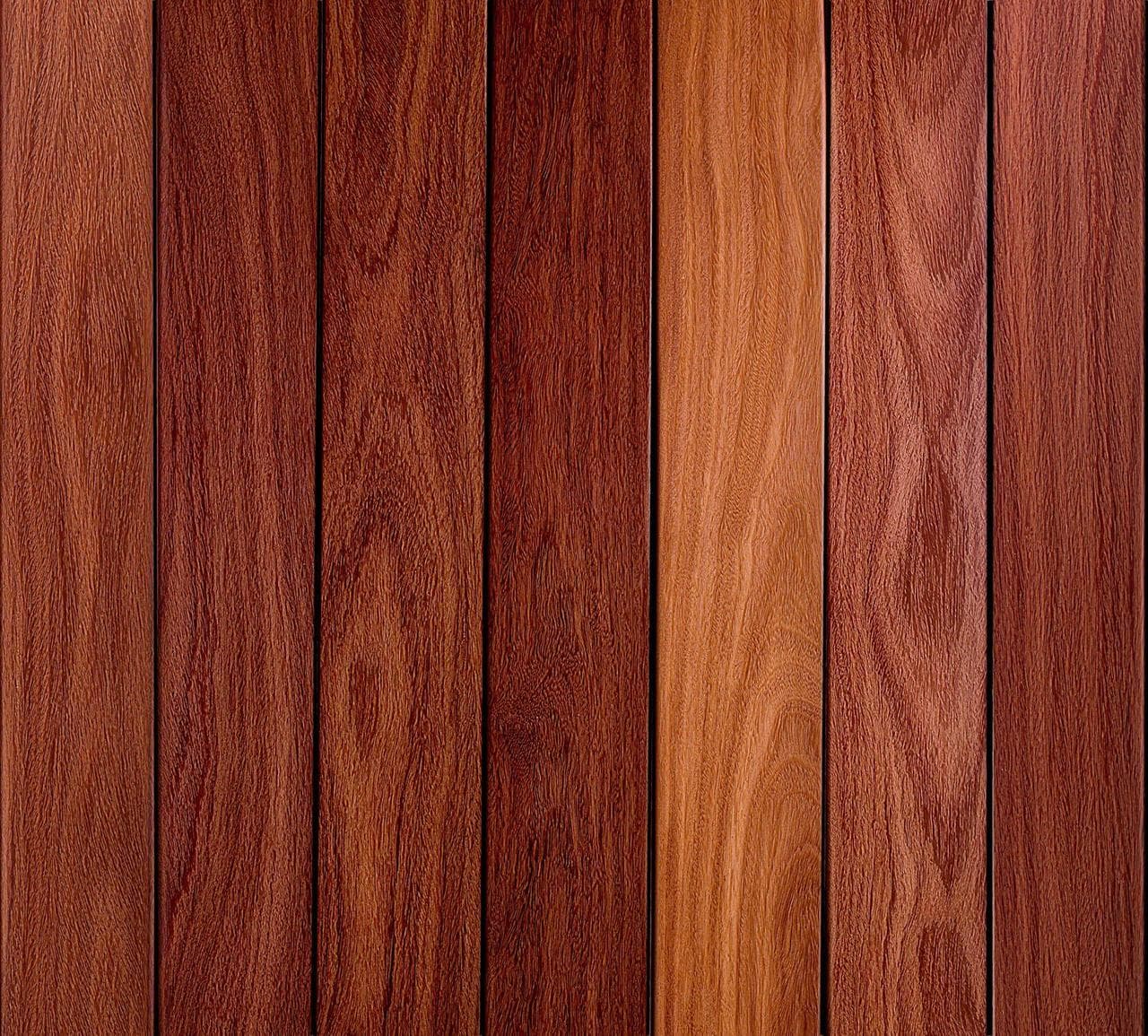
The rich, varied grain and color of Cumaru hardwood, which ranges from a reddish-brown to a yellowish-brown, can be highlighted effectively by a diagonal orientation. The interplay of light across the angled boards can reveal more of the wood's natural character, offering a premium aesthetic. Consider how the diagonal lines will interact with adjacent elements like house walls, railings, or garden paths to ensure a cohesive outdoor design.
Increased Material Requirements and Waste
One of the most significant practical implications of a diagonal decking layout is the increased material requirement. Unlike a linear layout where boards can often span the full width or length of the deck with minimal cutting, diagonal boards will almost always require angled cuts at both ends.
This leads to a higher percentage of offcuts and waste. For instance, a straight run might allow for a 16-foot board to cover a 15-foot section with a 1-foot offcut that could be used elsewhere. A diagonal board of the same length, however, will yield two triangular end pieces that are often unusable. It is common to factor in an additional 15-20% for material waste when planning a diagonal layout, compared to the 5-10% typically advised for linear installations. This added waste impacts both cost and environmental footprint.
Cumaru decking is available in profiles such as 1"x6" (3/4" x 5.5" finished) and 5/4"x6" (1" x 5.5" finished) in lengths from 3 to 24 feet. Careful planning of board lengths can help minimize waste, but some additional material will always be necessary for diagonal cuts.
Framing and Joist Spacing Adjustments
A diagonal decking layout changes how the decking boards bear on the underlying frame. In a linear installation, boards typically run perpendicular to the joists, maximizing contact and support. For a diagonal layout, the boards cross the joists at an angle, which means less direct bearing surface per board at each joist.
To compensate for this, the joist spacing for a diagonal deck often needs to be reduced. Always verify the manufacturer's recommended joist spacing for diagonal installations, as inadequate support can lead to board deflection or instability over time.
Even with its inherent durability, proper subframe support is crucial to ensure the long-term performance and appearance of a diagonal deck. Consult with a structural engineer or experienced contractor to confirm appropriate joist spacing for your specific project dimensions and load requirements.
Installation Techniques and Fastening
Installing Cumaru decking diagonally requires precise cutting and careful fastening. The initial board, often laid from a corner, sets the angle for the entire deck. Using a reliable miter saw with a sharp blade is essential for clean, consistent 45-degree cuts.
When fastening Cumaru, consider its density and hardness. Pre-drilling screw holes is generally recommended to prevent splitting, especially near board ends. Both hidden fastening systems and face-fastening methods can be used. If using hidden fasteners, ensure the system is compatible with the diagonal application and provides adequate hold, as the angled forces can differ from linear installations. For face-fastening, use high-quality, corrosion-resistant deck screws designed for hardwood applications.
Maintaining consistent board spacing is also critical. Cumaru, like other hardwoods, will experience some movement due to changes in humidity and temperature. Follow the manufacturer's exact recommendations for board spacing to allow for expansion and contraction, preventing buckling or excessive gaps. This is especially important for Cumaru, which is resistant to weather changes but still subject to natural wood movement.
Worked Example: Calculating Material for a Diagonal Deck
Let's consider a hypothetical rectangular deck measuring 10 feet by 12 feet (120 square feet). We plan to use 1"x6" Cumaru decking boards (actual dimensions 3/4" x 5.5").
For a linear layout, we might estimate 120 sq ft * 1.10 (10% waste) = 132 linear feet equivalent of 5.5-inch wide board. This translates to roughly 288 linear feet of 5.5-inch wide board (132 sq ft / (5.5 inches / 12 inches/foot)) = 288 linear feet.
For a diagonal layout, we must account for increased waste. A common multiplier for diagonal layouts is 1.20 to 1.25 (20-25% waste). Let's use 1.25: 120 sq ft * 1.25 = 150 square feet equivalent. This translates to approximately 327 linear feet of 5.5-inch wide board (150 sq ft / (5.5 inches / 12 inches/foot)) = 327 linear feet.
This means you would need to purchase roughly 39 linear feet more of Cumaru decking for the diagonal layout compared to a linear one, assuming you can optimize cuts from available board lengths. Always round up to the nearest full board length available. For example, if your design requires many short diagonal pieces, you might need to purchase longer boards to make multiple cuts, increasing the overall linear footage purchased. It's advisable to create a detailed cut plan or consult with a decking professional for precise material estimates on diagonal projects.
Before you order
- Confirm the desired aesthetic: Does a diagonal layout truly enhance your deck's design?
- Review your budget: Have you factored in the increased material cost due to higher waste?
- Verify joist spacing: Is your existing or planned frame suitable for diagonal decking, or does it need modification?
- Check manufacturer guidelines: What are the specific recommendations for Cumaru board spacing and fastening in diagonal applications?
- Consider installation complexity: Are you or your installer prepared for the more intricate cutting and fastening required?
- Plan for offcuts: How will you manage and dispose of the additional waste material?
Confirm installation details, approved uses and warranty terms in the current instructions for the exact product and profile. Your installer should verify the substrate, structure and applicable project requirements.
Questions to help you decide
Does a diagonal Cumaru deck cost more than a linear one?
Yes, a diagonal Cumaru deck typically costs more due to two main factors: increased material waste from angled cuts and potentially higher labor costs because the installation is more complex and time-consuming. Additionally, you might need to modify your deck's substructure for closer joist spacing, adding to the overall expense.
Can I use hidden fasteners with a diagonal Cumaru decking layout?
Many hidden fastening systems are designed for linear installations. While some can be adapted for diagonal layouts, it's crucial to verify compatibility with the specific product manufacturer. Ensure the chosen system provides sufficient grip and stability for boards installed at an angle, as the forces on the fasteners can differ from a perpendicular application.
How do I calculate the amount of Cumaru decking needed for a diagonal layout?
Start by calculating the total square footage of your deck. Then, multiply this area by an estimated waste factor, typically between 1.15 to 1.25 (15-25% waste) for diagonal layouts, compared to 1.05-1.10 for linear. Convert this adjusted square footage to linear footage based on your chosen board width. It is highly recommended to create a detailed cut plan or consult a professional to get a more accurate estimate and minimize over-ordering.
Ready to Plan Your Cumaru Deck?
Request a material quote today with your project dimensions, desired Cumaru profile, and ZIP code. We can help confirm current availability and service options for your unique decking project. Visit our Cumaru Decking product page for more details: /decking/hardwood/cumaru
Request a material quote →