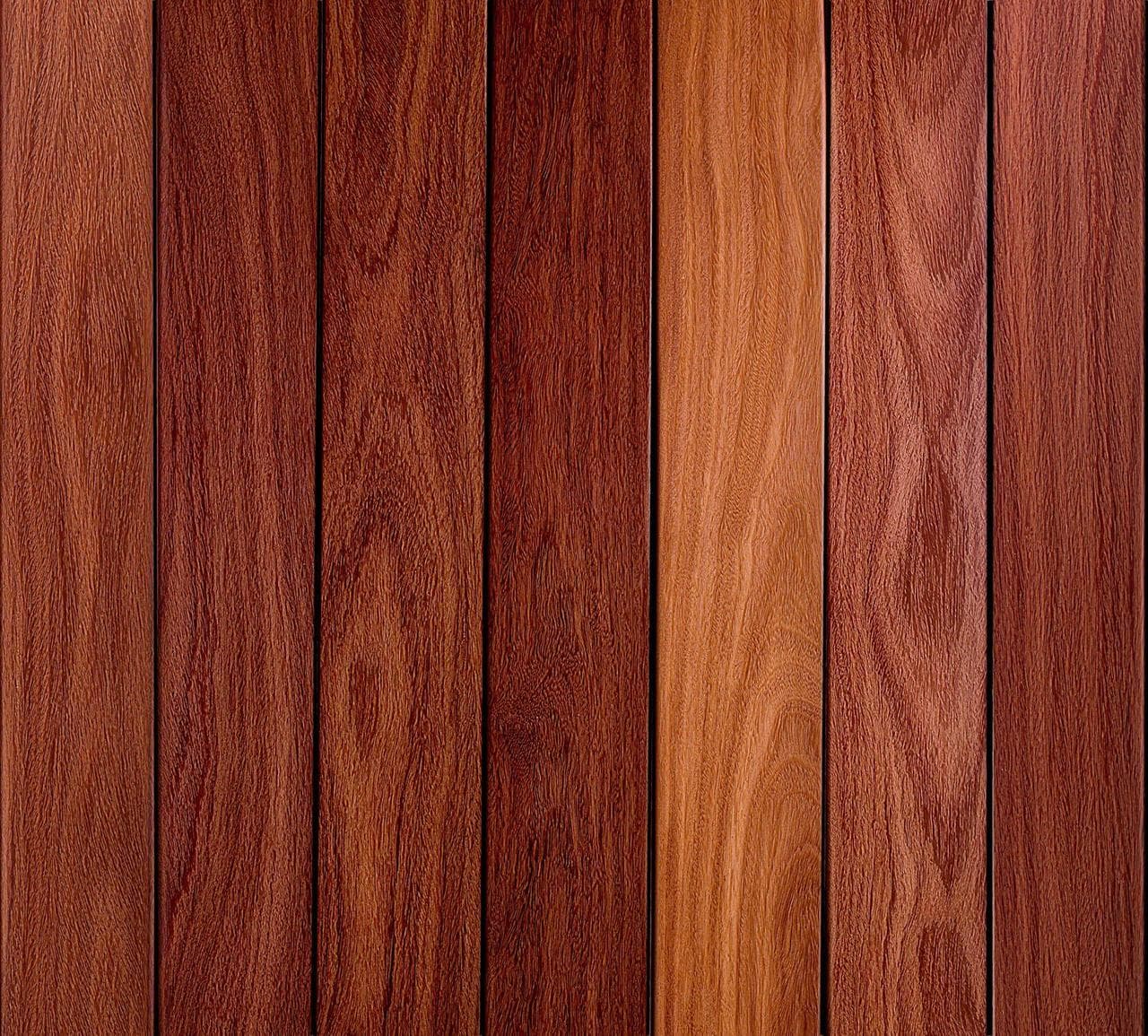
Understanding Cumaru for Sheltered Spaces
Its natural resistance to insects, rot, and fungi makes it a dependable choice for demanding builds, including those that might experience fluctuating moisture levels or limited air circulation under a cover. The wood also carries a Class A fire resistance rating, an important consideration for any attached structure. When worked, Cumaru gives off a scent of cinnamon and vanilla.
While a covered porch offers protection, Cumaru's inherent properties ensure its longevity. The reduced exposure to direct UV radiation and heavy rainfall on a covered porch can influence how Cumaru weathers over time. Unlike fully exposed decking that might silver more uniformly, a covered area may retain its original reddish-brown tones longer, or weather unevenly if parts are exposed to more elements. This characteristic should be factored into your aesthetic expectations and maintenance plan.
Cumaru's stiffness, strength, and extreme hardness make it dependable underfoot for decades. This is particularly beneficial in high-traffic areas often found on porches, where furniture might be rearranged or foot traffic concentrated. Its durability means it can withstand the demands of a functional outdoor living space, regardless of whether it's fully exposed or partially sheltered.
Coordinating Thresholds and Transitions
A critical aspect of a covered porch design is the seamless transition from the interior of your home to the exterior deck. This involves careful planning of thresholds, ensuring they are level, safe, and aesthetically pleasing. When using Cumaru decking, consider how the deck boards will meet the interior flooring. A slight step down from the interior can help prevent water intrusion, even on a covered porch that experiences wind-driven rain.
The thickness of Cumaru decking boards, typically available in profiles such as 3/4" x 5.5" (nominal 1"x6") or 1" x 5.5" (nominal 5/4"x6"), should be considered when planning the height of your porch frame. This allows for a smooth transition with interior flooring materials, whether it's tile, hardwood, or carpet. A well-designed threshold minimizes trip hazards and enhances the overall flow between spaces.
For the visual transition, consider using Cumaru for stair treads or landing areas if your porch involves steps. This maintains material consistency and reinforces the natural beauty of the wood. Matching fascia and trim pieces made from Cumaru can also help unify the look of the porch, creating a cohesive design that extends from the house outwards.
Furniture Placement and Decking Layout
The layout of your Cumaru decking can be influenced by how you plan to use your covered porch, especially regarding furniture placement. Heavy outdoor furniture, dining sets, or even built-in benches require a stable and durable surface. Cumaru's inherent strength is well-suited for supporting these items without excessive wear or indentation.
Consider the orientation of your deck boards in relation to your primary seating areas or dining zones. Running boards parallel to the longest dimension of the porch can create a sense of spaciousness, while a perpendicular or diagonal layout might define specific zones. For example, if you plan to have a large outdoor rug under a seating arrangement, ensure the Cumaru boards underneath are adequately protected and easily accessible for cleaning.
A common design choice for covered porches is to use a picture-frame border. This technique involves running a border of decking boards around the perimeter, with the main field of boards running in a different direction. This can visually frame the space and provide a clean finish, especially where the decking meets columns or railings. When planning a picture-frame border with Cumaru, ensure consistent board spacing and secure fastening to accommodate any potential movement of the wood.
Managing Exposed Versus Sheltered Sections
Even on a covered porch, some sections of Cumaru decking might be more exposed to the elements than others. For instance, the outer edge of the porch, or areas near openings, may still receive direct sunlight or splashes of rain. This differential exposure can lead to variations in the wood's appearance over time.
If you choose to let your Cumaru decking weather naturally, the more exposed sections may silver faster than the fully sheltered areas. If you prefer to maintain the wood's original color, a consistent application of a suitable oil finish will be necessary across all areas, with potentially more frequent reapplication on exposed sections. This proactive approach helps to achieve a more uniform look.
Proper ventilation under the deck is crucial for Cumaru, even in a covered setting. Adequate airflow helps prevent moisture buildup, which can contribute to issues like cupping or warping. Ensure that the porch design includes sufficient gaps between boards and unobstructed pathways for air circulation beneath the deck surface. This is vital for the long-term health of the wood.
Hypothetical Project: A 10x16-foot Cumaru Covered Porch
Let's consider a hypothetical covered porch project measuring 10 feet deep by 16 feet wide. The goal is to create a durable and aesthetically pleasing outdoor living space using Cumaru decking. For this example, we'll assume a standard board profile of 1" x 5.5" (nominal 5/4"x6") and plan for a linear lay-out running the 10-foot depth.
To cover a 10-foot depth, you would need two boards cut to 5 feet, or a single 10-foot board. For the 16-foot width, you'll need approximately 35 boards (16 feet / 5.5 inches board width = 34.9 boards). Given that Cumaru is available in lengths from 3 to 24 feet, sourcing 10-foot boards for the depth is feasible. For the width, assuming a linear installation, you would need 35 boards of 16-foot length.
Rounding up, we would need 35 boards. Therefore, 35 boards of 10-foot length would be needed for the main field if running parallel to the 16-foot dimension, or 35 boards of 16-foot length if running parallel to the 10-foot dimension. For this example, let's assume boards run parallel to the 16-foot dimension.
For a 10x16 foot area, the total square footage is 160 sq ft. Cumaru 5/4"x6" boards are 1 inch thick and 5.5 inches wide. Each linear foot covers 0.458 sq ft (5.5/12). To cover 160 sq ft, you would need approximately 349 linear feet of decking (160 / 0.458). If using 10-foot boards, that's roughly 35 boards. If using 16-foot boards, that's roughly 22 boards. The exact quantity will depend on your chosen board lengths to minimize waste and cut patterns. Always add 10-15% for cuts and waste.
Before you order
- Consider the level of sun and rain exposure for different sections of the porch.
- Plan thresholds carefully to ensure a smooth, safe transition from interior to exterior.
- Decide on the board layout (linear, diagonal, picture-frame) based on porch dimensions and furniture plans.
- Account for adequate ventilation beneath the deck to prevent moisture buildup.
- Determine your preferred weathering outcome: natural silvering or color retention with oiling.
- Review Cumaru's available profiles (e.g., 3/4" x 5.5", 1" x 5.5") to match your project's structural and aesthetic needs.
- Consider complementary Cumaru products for stairs, fascia, or trim to maintain a cohesive look.
Confirm installation details, approved uses and warranty terms in the current instructions for the exact product and profile. Your installer should verify the substrate, structure and applicable project requirements.
Questions to help you decide
Will Cumaru decking weather differently on a covered porch compared to an exposed deck?
Yes, Cumaru on a covered porch will likely weather differently. Reduced exposure to direct UV rays and heavy rain means it may retain its original reddish-brown tones for longer, or weather unevenly if only partially exposed. Fully exposed Cumaru tends to silver more uniformly over time. Consistent oiling can help maintain color across all areas.
Is Cumaru suitable for areas that might still get some rain or moisture under a porch cover?
Yes, Cumaru is naturally resistant to termites, rot, and fungi, and resistant to weather changes, making it suitable for areas that might still experience some moisture, such as the edges of a covered porch. Proper ventilation beneath the deck is still crucial to prevent moisture buildup and ensure the wood's longevity.
How should I plan for the transition from my home's interior to a Cumaru covered porch?
Plan for a smooth and safe transition. Consider a slight step down from the interior floor to the Cumaru deck to help with water management. Match the Cumaru board thickness to your framing to ensure the finished deck height aligns well with your interior threshold. Using Cumaru for any steps or trim can also create a unified look.
Ready to Plan Your Cumaru Covered Porch?
Request a material quote with your project dimensions, desired Cumaru profile, and ZIP code. We can confirm current availability and service options for your project.
Request a material quote →