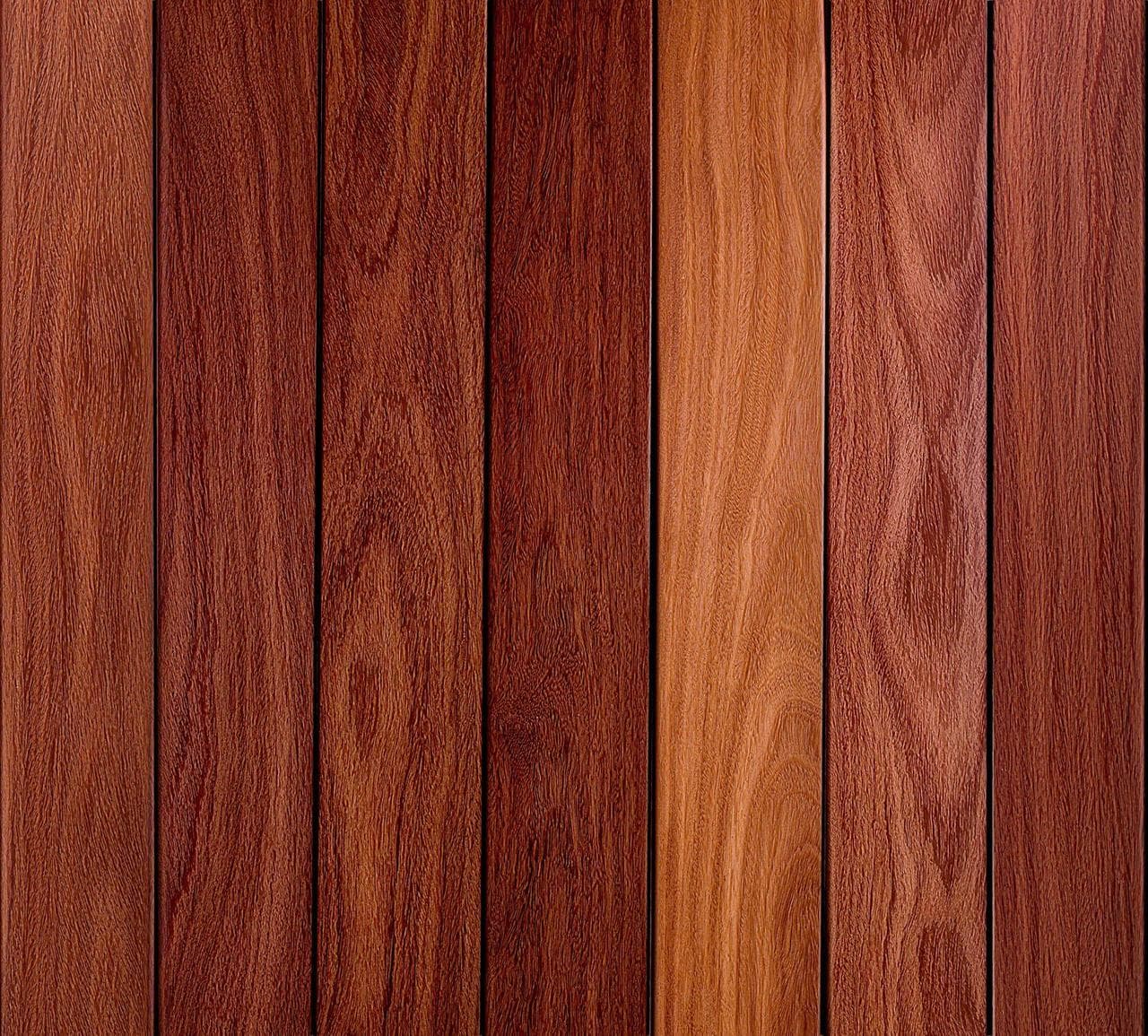
Understanding Cumaru Decking for Courtyards
Cumaru (Dipteryx odorata) is a very dense and durable tropical hardwood originating from Brazil. This makes it a dependable choice for areas with foot traffic, such as a courtyard deck. Its natural resistance to termites, rot, and fungi contributes to its lifespan.
When worked, Cumaru can emit a scent of cinnamon and vanilla, a unique characteristic of the species. The wood itself has varying natural colors, typically ranging from a reddish-brown to a golden-brown, which can deepen over time or weather to a silver-grey if left untreated. This natural aging process can be a design feature in a courtyard, offering a low-maintenance aesthetic or it can be maintained with appropriate finishes to preserve its initial color.
The inherent properties of Cumaru, including its Class A fire resistance, make it a robust option. However, its density also means it can be challenging to work with, potentially dulling tools. Proper planning for cutting, fastening, and ventilation is essential for a successful Cumaru courtyard deck project.
Maximizing Usable Space in a Courtyard
Courtyards are often defined by their enclosed nature, which means maximizing every square foot is crucial. A deck can transform an otherwise uneven or less functional ground area into a level, inviting space for seating, dining, or potted plants. When planning with Cumaru decking, consider the layout to optimize flow and utility.
For smaller courtyards, a simple, rectangular deck extending from an entry point can create a seamless transition from indoor to outdoor living. In larger courtyards, you might consider zoned areas, perhaps with a Cumaru deck for dining and an adjacent paved area for a fire pit or garden. The durability of Cumaru means it can withstand the concentrated traffic that often occurs in compact, frequently used spaces.
Consider the dimensions of your Cumaru boards. Lumber Plus typically offers Cumaru in profiles like 1"x6" (3/4" x 5.5" finished) and 5/4"x6" (1" x 5.5" finished) in lengths from 3 to 24 feet. Utilizing longer boards where possible can minimize seams, creating a cleaner, more expansive feel in a confined courtyard. A diagonal layout, while potentially requiring more cuts, can also visually expand a narrow space.
Addressing Shade and Sun Exposure
Courtyards often feature varying degrees of sun and shade throughout the day, influenced by surrounding structures and landscaping. Cumaru decking is resistant to weather changes, making it suitable for both sun-drenched and shaded areas. However, the appearance of the wood can be affected.
In areas with consistent sun exposure, Cumaru will naturally lighten and then weather to a silver-grey over time if left untreated. For those who prefer to maintain the wood's original reddish-brown tones, regular application of a UV-inhibiting deck oil is recommended. In shaded areas, Cumaru will likely retain its color longer due to less direct UV exposure, but these areas may also be more prone to retaining moisture, which ties into drainage considerations.
The interplay of light and shadow can be a design element. The rich tones of Cumaru can provide a warm contrast against lighter courtyard walls or complement existing greenery. Consider how the deck's color will evolve with or without treatment, and how that will integrate with the overall aesthetic of your courtyard.
Managing Drainage and Ventilation
Effective drainage and ventilation are critical for any deck, but especially in enclosed courtyards where airflow might be restricted and water runoff can accumulate. Proper planning ensures the longevity of your Cumaru deck and prevents issues like standing water or mildew.
Ensure that the deck substructure allows for adequate air circulation beneath the Cumaru boards. This helps to prevent moisture buildup and aids in the natural drying process of the wood. A minimum clearance height beneath the deck is often recommended, and the substructure should be designed to allow air to pass through.
For drainage, the deck surface should be constructed with a slight slope, typically 1/8 to 1/4 inch per foot, to direct water away from any adjacent structures and towards a suitable drainage point, such as a French drain or a permeable surface. Avoid creating dead spots where water can pool. The natural spacing between Cumaru deck boards also allows water to pass through, but the underlying ground or membrane must be prepared to handle this runoff efficiently.
In courtyards, consider incorporating a drainage system directly under the deck, especially if the ground beneath is impermeable or if heavy rainfall is common. This could involve a sloped concrete slab with a drain, or a robust gravel bed. This foresight helps protect the Cumaru decking and the surrounding property from water damage.
Hypothetical Courtyard Deck Project Example
Imagine a compact courtyard measuring 10 feet wide by 12 feet deep. The goal is to install a Cumaru deck that maximizes seating and allows for proper drainage.
To cover the 120 square feet (10 ft x 12 ft), we need to calculate the number of boards. If boards are laid parallel to the 12-foot dimension, each 12-foot board covers 5.5 inches in width. The total width of 10 feet (120 inches) divided by 5.5 inches per board means approximately 21.8 boards. Rounding up, we would need 22 boards of 12-foot length. For a project of this size, it is prudent to add 10-15% for cuts, waste, and future repairs. So, 22 boards x 1.15 = 25.3 boards, rounded up to 26 boards. Each board is 12 feet long, so 26 boards x 12 linear feet/board = 312 linear feet.
For drainage, the deck will be sloped 1/8 inch per foot away from the house, across the 10-foot width. This means a total drop of 10 x 1/8 inch = 1.25 inches from one side to the other. A simple channel drain will be installed at the lowest edge of the gravel bed to collect and divert water.
This example assumes straight cuts and minimal waste. In a real project, precise measurements and a detailed cut plan are essential to optimize material use and ensure proper fit within the courtyard's specific dimensions and any existing features like doorways or planters.
Before you order
- Confirm courtyard dimensions and any irregular shapes or existing features.
- Evaluate sun exposure patterns throughout the day and year.
- Assess existing drainage and plan for new runoff management.
- Determine desired deck height and clearance for ventilation.
- Choose Cumaru board profile (e.g., 1"x6" or 5/4"x6").
- Decide on a layout (e.g., straight, diagonal) to maximize space.
- Calculate linear footage of Cumaru boards, adding waste factor.
- Plan for substructure materials and joist spacing.
- Consider the need for deck oil to maintain color, or allow to weather.
- Identify access points for construction and material delivery.
Confirm installation details, approved uses and warranty terms in the current instructions for the exact product and profile. Your installer should verify the substrate, structure and applicable project requirements.
Questions to help you decide
Is Cumaru suitable for a shaded courtyard?
Yes, Cumaru is suitable for shaded courtyards due to its natural resistance to rot and fungi. While it may retain its color longer in shade, ensuring proper ventilation and drainage beneath the deck is especially important in areas with less sun exposure to prevent moisture buildup.
How do I prevent my Cumaru deck from weathering to silver-grey?
To maintain Cumaru's original reddish-brown tones, regular application of a UV-inhibiting deck oil is recommended. If left untreated, Cumaru will naturally weather to a silver-grey over time due to sun exposure.
What kind of maintenance does a Cumaru courtyard deck require?
Beyond optional oiling to maintain color, Cumaru is naturally durable and resistant to decay. General maintenance involves regular cleaning to remove dirt and debris, and ensuring the drainage system remains clear. Inspecting the deck annually for any loose fasteners or damage is also advisable.
Request a Quote for Cumaru Courtyard Decking
Ready to design your Cumaru courtyard deck? Request a material quote today. Provide your project dimensions, desired Cumaru profile, and ZIP code to confirm current availability and service options. We're here to help you get started.
Request a material quote →