Confirming Cumaru Decking Profile and Dimensions
The specific profile and dimensions of your Cumaru decking boards are fundamental to your project's aesthetic and structural integrity. Cumaru decking is typically available in standard profiles such as 1"x6" (actual 3/4" x 5.5") and 5/4"x6" (actual 1" x 5.5"). These dimensions influence the overall appearance of the deck, the spacing between boards, and the compatibility with fasteners and substructure.
Discuss with your contractor the chosen board profile and confirm it aligns with the design plans. For example, if your design calls for a robust, chunky appearance, the 5/4"x6" profile might be preferred over the 1"x6". Also, consider the available lengths, which typically range from 3 to 24 feet. Longer boards can reduce the number of butt joints, potentially creating a cleaner look, but may also require more careful handling during installation. Shorter boards might be more economical for smaller, intricate areas or where cuts are frequent.
Your contractor should verify the suitability of the chosen profile for the deck's intended use and load-bearing requirements, ensuring it meets local building practices for span and support. This verification prevents material mismatches and potential structural issues down the line. It's also an opportunity to discuss any specific preferences for board orientation or pattern, as these can affect material waste and installation complexity.
Fastening Methods and Compatibility
The method used to fasten Cumaru decking boards is a critical detail that affects both the deck's appearance and its long-term stability. Common fastening options include hidden fasteners or face-fastening with screws. Each method has specific requirements and implications for installation and the finished look.
Hidden fasteners create a smooth, unblemished deck surface by securing boards from the sides or underneath. This method requires specific grooved profiles on the decking boards or the use of routing tools to create grooves on standard boards. Ensure your contractor is familiar with the chosen hidden fastening system and that the Cumaru decking profile is compatible. Hidden fasteners often require precise board spacing and can impact the installation time.
Face-fastening, while visible, provides a secure attachment. When face-fastening Cumaru, pre-drilling is often necessary due to its extreme hardness to prevent splitting. Stainless steel screws are typically recommended to resist corrosion and staining. Discuss with your contractor the type of screws, their placement, and whether countersinking will be used for a flush or slightly recessed finish. Confirming these details ensures the correct hardware is ordered and applied.
Finishing and Maintenance Preferences
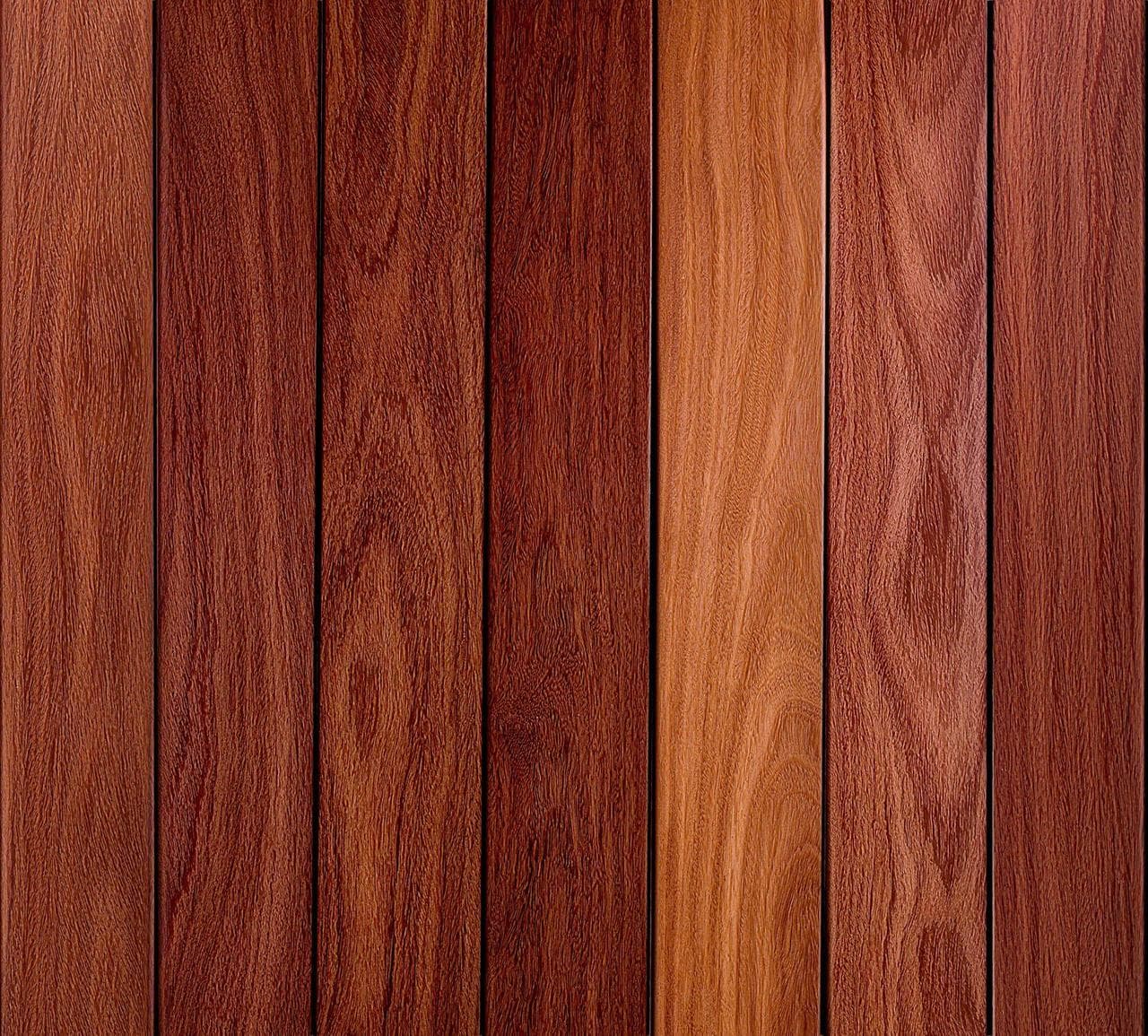
Cumaru decking can be left untreated to weather to a silver-gray patina, or it can be periodically oiled to maintain its natural color, which features rich reddish-brown tones. Your finishing preference should be clearly communicated to your contractor, as it influences initial treatment and ongoing maintenance expectations.
If you prefer to preserve the natural color, discuss the application of a suitable UV-inhibiting oil or sealer immediately after installation. This step helps protect the wood from the sun's rays and slows the graying process. Your contractor can advise on the best products for Cumaru and the application schedule. If you opt for the silver-gray look, no initial finish is required, but regular cleaning will still be necessary to remove dirt and mildew.
Regardless of the finishing choice, Cumaru is naturally resistant to insects, rot, and fungi, which contributes to its low structural maintenance. However, surface cleaning and occasional re-oiling (if desired) will be part of the deck's upkeep. Confirm with your contractor what initial treatments they plan to apply and discuss a long-term maintenance schedule.
Worked Example: Planning a 10x12 Foot Cumaru Deck
Let's consider a hypothetical 10-foot by 12-foot deck project using Cumaru decking. The boards will run parallel to the 10-foot dimension, meaning each board needs to be approximately 10 feet long.
First, calculate the number of boards needed. The actual width of each board is 5.5 inches. For the 12-foot (144-inch) width of the deck, you would need 144 inches / 5.625 inches/board = 25.6 boards. Since you can't buy fractional boards, you would round up to 26 boards. Each board would be 10 feet long.
The contractor would confirm the substructure can support the Cumaru and the chosen fastening system. For the finishing, the homeowner wants to maintain the natural color, so the contractor would include a suitable UV-inhibiting oil application in the project plan.
This detailed planning ensures that the correct quantity of material, the appropriate fastening system, and the desired finish are all accounted for before the order is placed, minimizing surprises during construction.
Confirming Delivery and Jobsite Preparation
Before your Cumaru decking order is placed and delivered, it's essential to coordinate with your contractor regarding delivery logistics and jobsite preparation. Cumaru is a dense and heavy material, so proper planning for its arrival and temporary storage is crucial.
Discuss the delivery schedule and confirm that someone will be available to receive the shipment. Identify a suitable, protected area on the jobsite for storing the decking materials. This area should be flat, dry, and elevated off the ground to prevent moisture absorption. Cumaru should be kept out of direct sunlight and rain to avoid warping or checking before installation. Your contractor can advise on the best storage practices for your specific site.
Additionally, confirm that the jobsite is adequately prepared for the start of the decking installation. This includes ensuring the substructure is complete, level, and ready for decking attachment. Proper ventilation underneath the deck is also important for the long-term health of the wood. Your contractor should confirm these preparations are in place, preventing delays once the materials arrive.
Before you order
- Confirm Cumaru decking profile (e.g., 1"x6" or 5/4"x6") with contractor.
- Verify actual board dimensions (e.g., 3/4" x 5.5" or 1" x 5.5").
- Specify preferred board lengths (e.g., 10-foot, 12-foot) to minimize waste.
- Decide on fastening method: hidden fasteners or face-fastening.
- If hidden fasteners, confirm compatibility with chosen Cumaru profile.
- If face-fastening, specify screw type (e.g., stainless steel) and pre-drilling plan.
- Choose desired finish: natural silver-gray patina or oiled to maintain color.
- If oiling, discuss specific UV-inhibiting product and application schedule.
- Confirm contractor's plan for delivery receipt and temporary material storage.
- Verify jobsite readiness, including substructure completion and ventilation.
- Review and approve final material list and project timeline with contractor.
Confirm installation details, approved uses and warranty terms in the current instructions for the exact product and profile. Your installer should verify the substrate, structure and applicable project requirements.
Questions to help you decide
How hard is Cumaru decking?
This indicates extreme hardness, stiffness, and strength, making it a very durable choice for decking that stands up to heavy traffic and wear over decades.
Does Cumaru decking require special tools to install?
Due to its high density and hardness, Cumaru can be challenging to work with. Pre-drilling is often necessary before fastening to prevent splitting. Its silica content can also dull tools, so contractors may use carbide-tipped blades and bits for efficient cutting and drilling. Discuss tool requirements and techniques with your contractor.
What is the lifespan of Cumaru decking?
Its natural resistance to insects, rot, fungi, and weather changes contributes to its longevity, making it a dependable choice for outdoor applications.
Ready to Plan Your Cumaru Decking Project?
Request a material quote today with your project dimensions, exact Cumaru profile, and ZIP code. We'll help confirm current availability and service options for your project. Visit our Cumaru decking product page for more details: /decking/hardwood/cumaru
Request a material quote →