Cumaru's Natural Resistance in Coastal Environments
Cumaru is a tropical hardwood known for its density and natural resistance to environmental factors. These properties contribute to its ability to withstand constant exposure to wind, moisture, and temperature fluctuations often found in coastal regions.
Crucially for coastal applications, Cumaru is naturally resistant to insects, rot, and fungi. This natural resistance can be an advantage where high humidity and moisture are prevalent, reducing concerns about decay that might affect other wood species. The species is also noted for its resistance to weather changes, which can include the cyclical wetting and drying common along coastlines.
While Cumaru is listed for use in hydraulic works, including seawater, this refers to the raw timber's structural applications like piers or pilings. For decking, the primary concern is surface exposure to salt spray and humidity, which Cumaru's inherent durability helps manage. It is important to note that while the wood itself is resistant, the finish and fasteners will require specific considerations.
Appearance and Weathering in Coastal Settings
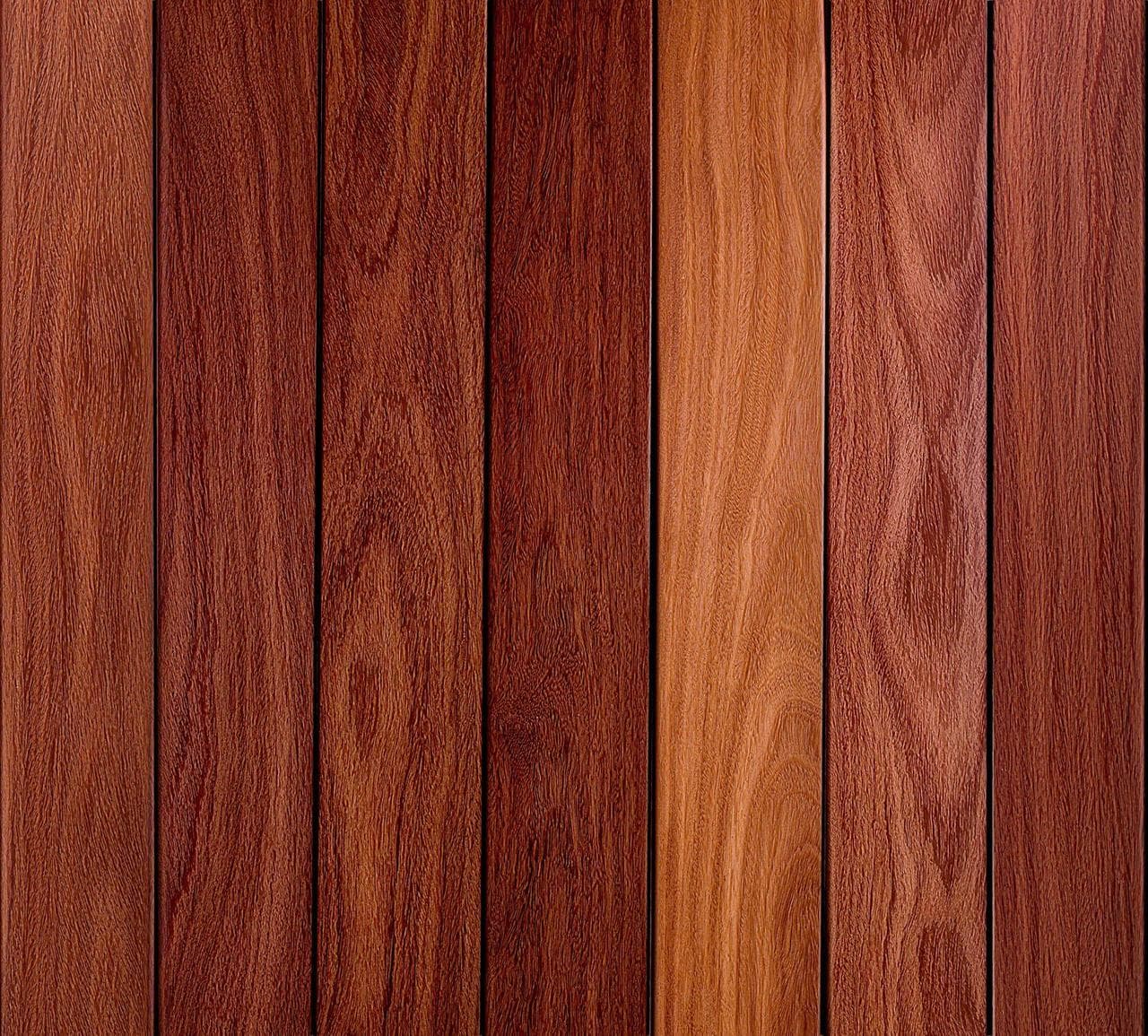
Cumaru decking typically features a bold grain and can exhibit a range of natural colors. When initially installed, Cumaru may display tones from reddish-brown to golden-brown. For a coastal home, the visual integration with the surrounding environment is often a key design element.
Like most hardwoods, Cumaru will undergo a natural weathering process when exposed to UV light and the elements. If left untreated, it will gradually weather to a silver-grey patina. This natural graying is often desired in coastal aesthetics, blending the deck with weathered driftwood and sandy tones. If maintaining the original color is preferred, regular application of a UV-inhibiting oil finish will be necessary. This maintenance schedule may need to be more frequent in harsh coastal conditions due to increased sun and salt exposure. Always check product-specific maintenance guides for recommended reapplication intervals.
Hardware and Fastener Selection for Salt Exposure
The performance of any decking in a coastal environment is not solely dependent on the wood itself, but also on the compatibility and corrosion resistance of the fasteners and hardware used. For Cumaru decking in coastal areas, it is critical to select fasteners that can withstand salt spray and high humidity without corroding.
Stainless steel, specifically marine-grade options, is typically recommended for all fasteners, screws, and hidden fastening systems in coastal applications. Galvanized steel, while resistant, may not offer the same level of long-term corrosion protection as stainless steel in a direct salt-spray environment. Always confirm with your hardware supplier and decking installer that the chosen fasteners are rated for saltwater exposure.
Consider also the structural components beneath the deck. Joists, beams, and any ledger boards should also be protected from coastal conditions, either through material selection (e.g., pressure-treated lumber rated for ground contact or marine environments) or appropriate flashing and sealing. Ensure proper ventilation beneath the deck to prevent moisture buildup, which can be exacerbated in humid coastal climates.
Installation Considerations for Coastal Decks
Proper installation is paramount for Cumaru decking in a coastal home. Due to Cumaru's density and hardness, pre-drilling is almost always required for fasteners to prevent splitting and ensure secure attachment. This is especially true for face-fastened applications. When using hidden fasteners, ensure the system is designed for dense hardwoods and marine environments.
Adequate spacing between deck boards is crucial for drainage and ventilation, allowing the wood to expand and contract naturally with changes in humidity. In coastal areas, where humidity levels can fluctuate significantly, proper spacing helps prevent cupping or warping. Consult the manufacturer's specific guidelines for board spacing, as this can vary by profile and expected moisture conditions.
For elevated decks or those exposed to direct ocean spray, consider the implications for the substructure. All structural elements, including posts and beams, should be designed and built to withstand local wind loads and corrosive conditions. Local building codes for coastal construction often have specific requirements for materials and fastening methods to ensure structural integrity against high winds and storms.
Maintenance for Cumaru Decking in Coastal Settings
While Cumaru is naturally durable, a coastal environment demands specific maintenance practices to preserve its appearance and longevity. If you choose to let your Cumaru deck weather to a silver-grey, routine cleaning to remove salt residue, sand, and organic debris is still important. A simple wash with fresh water and a soft brush can help prevent buildup.
For those who prefer to maintain the original color, a high-quality, UV-inhibiting oil finish suitable for hardwoods is necessary. In coastal areas, the intensity of UV radiation and the presence of salt can degrade finishes more quickly. Regular inspection of the finish for signs of wear or fading, and prompt reapplication as needed, will be key. Always follow the specific instructions of the finish manufacturer for application and recoating schedules.
Periodically check fasteners and hardware for any signs of corrosion or loosening. While stainless steel is highly resistant, it is not entirely impervious, especially if scratched or exposed to prolonged standing saltwater. Address any issues promptly to prevent structural compromise or staining of the decking.
Hypothetical Project: Coastal Deck Renovation
Consider a homeowner renovating a 12-foot by 16-foot deck on a coastal property, aiming for a durable, low-maintenance solution that will weather to a natural silver-grey. They decide on Cumaru 1"x6" (actual 3/4" x 5.5") decking. The total deck area is 192 square feet. Assuming a waste factor of 10% for cuts and potential defects, they would need approximately 212 square feet of material.
For a 12x16 foot deck, using 16-foot boards would minimize butt joints. To cover the 12-foot width with 5.5-inch wide boards, approximately 26 boards would be needed (144 inches / 5.5 inches per board = ~26.18 boards). For a 16-foot length, this means 26 boards at 16 feet each. This totals 416 linear feet. Since Cumaru is available in lengths from 3-24 ft, 16-foot boards are a good fit.
The project would also require marine-grade stainless steel fasteners. The homeowner would also budget for a power washer and a soft-bristle brush for annual cleaning, allowing the Cumaru to naturally grey without applying a finish.
This example highlights the importance of precise measurements and material selection for a specific coastal application, ensuring the durability and desired aesthetic are achieved.
Before you order
- Confirm local building codes for coastal construction requirements.
- Verify substructure materials are rated for marine environments.
- Select marine-grade stainless steel fasteners for all connections.
- Plan for adequate board spacing for drainage and ventilation.
- Decide on desired aesthetic: natural silver-grey or maintained original color.
- If maintaining color, research UV-inhibiting oil finishes suitable for coastal exposure.
- Establish a routine cleaning schedule to remove salt and debris.
- Consider professional installation given Cumaru's density and coastal conditions.
Confirm installation details, approved uses and warranty terms in the current instructions for the exact product and profile. Your installer should verify the substrate, structure and applicable project requirements.
Questions to help you decide
Is Cumaru decking suitable for direct salt spray exposure?
Cumaru is a very durable tropical hardwood with natural resistance to weather changes and decay, which helps it perform well in humid coastal environments. While the wood itself is robust, any finishes applied and all fasteners must be specifically rated for salt spray to ensure long-term performance.
What type of fasteners should I use for Cumaru decking in a coastal area?
For coastal applications, marine-grade stainless steel fasteners are highly recommended. These offer superior corrosion resistance compared to other materials and are essential for securing Cumaru decking effectively in environments with salt spray and high humidity.
How does Cumaru's appearance change in a coastal environment?
Like most hardwoods, Cumaru will naturally weather to a silver-grey patina over time when exposed to UV light and the elements, including salt and sun in a coastal setting. If you prefer to retain its original color, regular application of a UV-inhibiting oil finish will be necessary, potentially more frequently than in less harsh climates.
Start Your Coastal Cumaru Decking Project
Ready to plan your Cumaru deck for a coastal home? Request a material quote today. Provide your project dimensions, desired Cumaru profile, and ZIP code to confirm current availability and service options for your location.
Request a material quote →