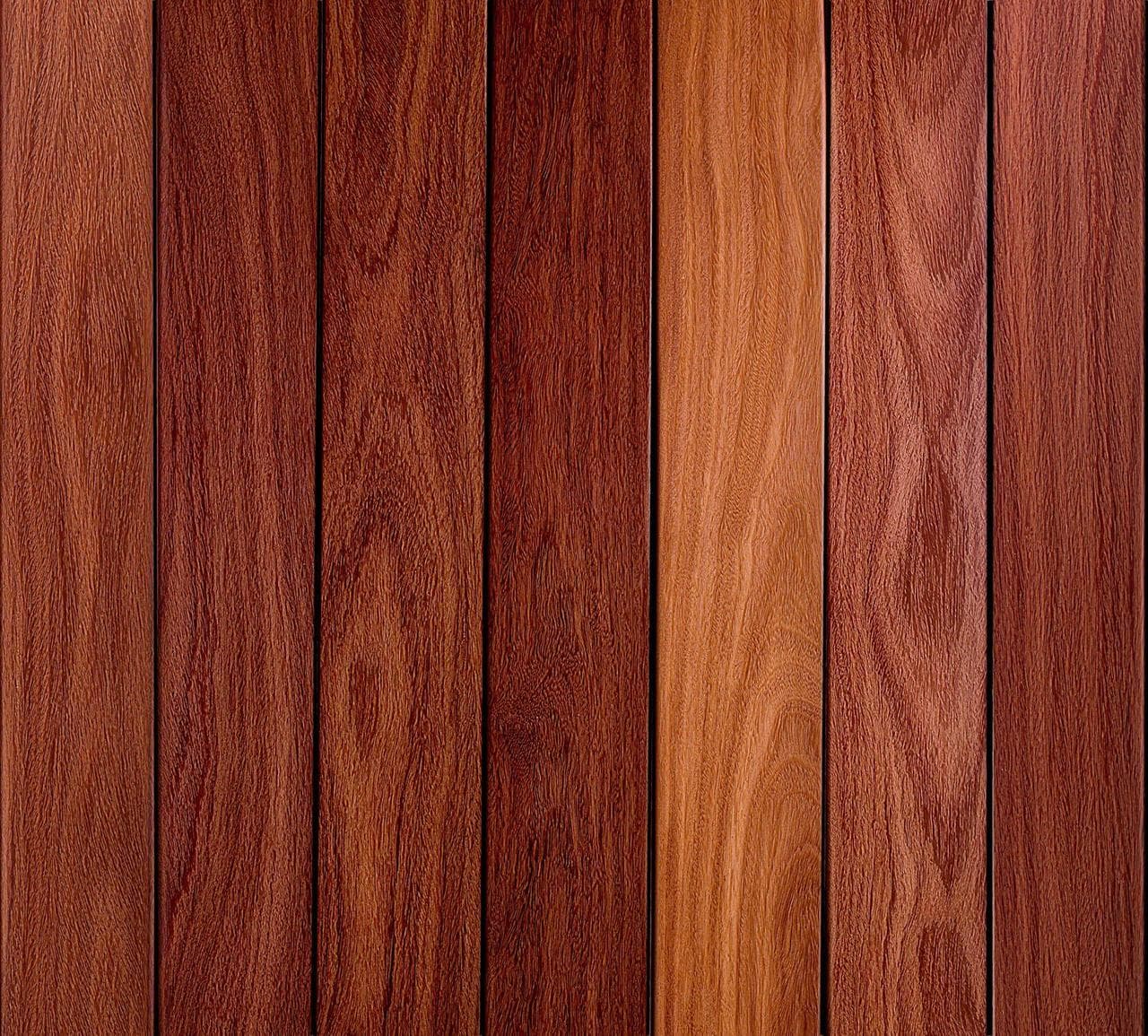
Understanding Cumaru Decking Board Availability
Cumaru decking is typically available in a range of lengths, often from 3 to 24 feet. These lengths are usually provided in specific increments, which can influence your cutting plan. The common profiles for Cumaru decking include 1"x6" (actual 3/4" x 5.5") and 5/4"x6" (actual 1" x 5.5"), both kiln-dried (KD). Knowing the exact lengths available from your supplier is the first step in planning, as this will dictate how you can segment your deck surface and minimize waste.
The longer lengths are often preferred for larger decks to reduce the number of visible seams, contributing to a more expansive and continuous appearance. However, shorter lengths can be more economical for smaller sections or for creating intricate patterns where many cuts are already anticipated. Always confirm the current available length inventory before finalizing your design.
The Importance of Joist Spacing for Seams
All board ends, including those at seams, must be fully supported by a joist. This is a critical structural requirement for any deck, and Cumaru is no exception. Proper joist spacing is essential for safe and stable decking.
When planning your board lengths, ensure that any planned seam falls directly over a joist. Never allow a board end to float between joists; this can lead to instability, premature wear, and potential failure.
Minimizing Waste with a Detailed Cut List
Creating a detailed cut list is crucial for optimizing material use and reducing waste. Begin by measuring the exact dimensions of your deck area. Then, consider the available Cumaru board lengths. The goal is to lay out your boards in a way that uses as much of each purchased length as possible, turning offcuts into usable pieces for shorter sections or the next row.
For example, if you have a 12-foot-long deck section and boards are available in 16-foot lengths, you could cut one 12-foot piece and have a 4-foot offcut. This 4-foot piece might be usable elsewhere, perhaps for a border or a shorter run in another part of the deck. A systematic approach to cutting can significantly reduce the amount of unused material.
Staggering Seams for Visual Appeal and Strength
To achieve a professional and aesthetically pleasing deck, it is important to stagger the seams across adjacent rows of decking. Avoid having seams align in a straight line across multiple boards, as this can create a noticeable visual break and potentially a weak point in the deck's surface.
Staggering seams helps distribute the load more evenly across the deck structure and creates a more natural, continuous appearance. This technique is particularly important for Cumaru, where the bold grain can make aligned seams more prominent. A random, yet planned, seam pattern often looks best.
Worked Example: Planning a 10' x 16' Cumaru Deck Section
Let's consider a hypothetical deck section measuring 10 feet wide by 16 feet long. Cumaru decking boards are available in 16-foot and 20-foot lengths, with a nominal width of 6 inches (actual 5.5 inches).
For the 16-foot length: Since the deck section is 16 feet long, using 16-foot boards minimizes seams along the length. Each row will consist of a single 16-foot board. To cover the 10-foot width, we need to calculate the number of boards: 10 feet * 12 inches/foot = 120 inches. 120 inches / 5.5 inches/board = approximately 21.8 boards. Therefore, you would need to purchase 22 boards for this section. All these boards would be 16 feet long, meaning no seams are needed along the length of the deck.
For a different scenario: Imagine the deck section is 18 feet long. If 16-foot boards are the longest available, each row would require one 16-foot board and one 2-foot board. This creates a seam at the 16-foot mark. To stagger these seams, you would vary the position of the 2-foot piece. For example, the first row might have the 16-foot board followed by a 2-foot piece. The next row could start with a 2-foot piece, followed by a 16-foot board, creating a seam 2 feet from the start. This requires careful planning to ensure all board ends land on joists and seams are appropriately staggered.
Before you order
- Confirm exact Cumaru board lengths available from your supplier.
- Measure your deck dimensions precisely (length and width).
- Determine joist spacing and direction.
- Sketch your deck layout, marking joist locations.
- Plan seam locations to fall directly over joists.
- Stagger seams across adjacent board rows for visual appeal and structural integrity.
- Create a detailed cut list to optimize material use and minimize waste.
- Account for any end cuts needed for a clean edge or picture frame border.
- Consider the visual impact of seam frequency on your overall design.
Confirm installation details, approved uses and warranty terms in the current instructions for the exact product and profile. Your installer should verify the substrate, structure and applicable project requirements.
Questions to help you decide
What are the typical lengths Cumaru decking boards come in?
Cumaru decking boards are commonly available in lengths ranging from 3 feet to 24 feet. It's always best to confirm the specific lengths available from your supplier when planning your project to ensure they align with your design needs and waste reduction goals.
Why is it important to support board ends with joists?
Supporting all board ends directly over joists is crucial for the structural stability and longevity of your deck. Unsupported ends can lead to sagging, excessive movement, and premature failure of the decking material. This also helps prevent tripping hazards and ensures a firm walking surface.
How can I minimize waste when cutting Cumaru decking boards?
To minimize waste, create a detailed cut list based on your deck's dimensions and the available board lengths. Plan to use offcuts from longer boards for shorter sections elsewhere on the deck. Staggering seams strategically can also help optimize material use by allowing you to utilize various cut lengths across different rows.
Ready to Plan Your Cumaru Deck?
Request a material quote with your project dimensions, desired Cumaru profile, and ZIP code to confirm current availability and service options for your decking project. Our team can help you identify the right board lengths for your design.
Request a material quote →