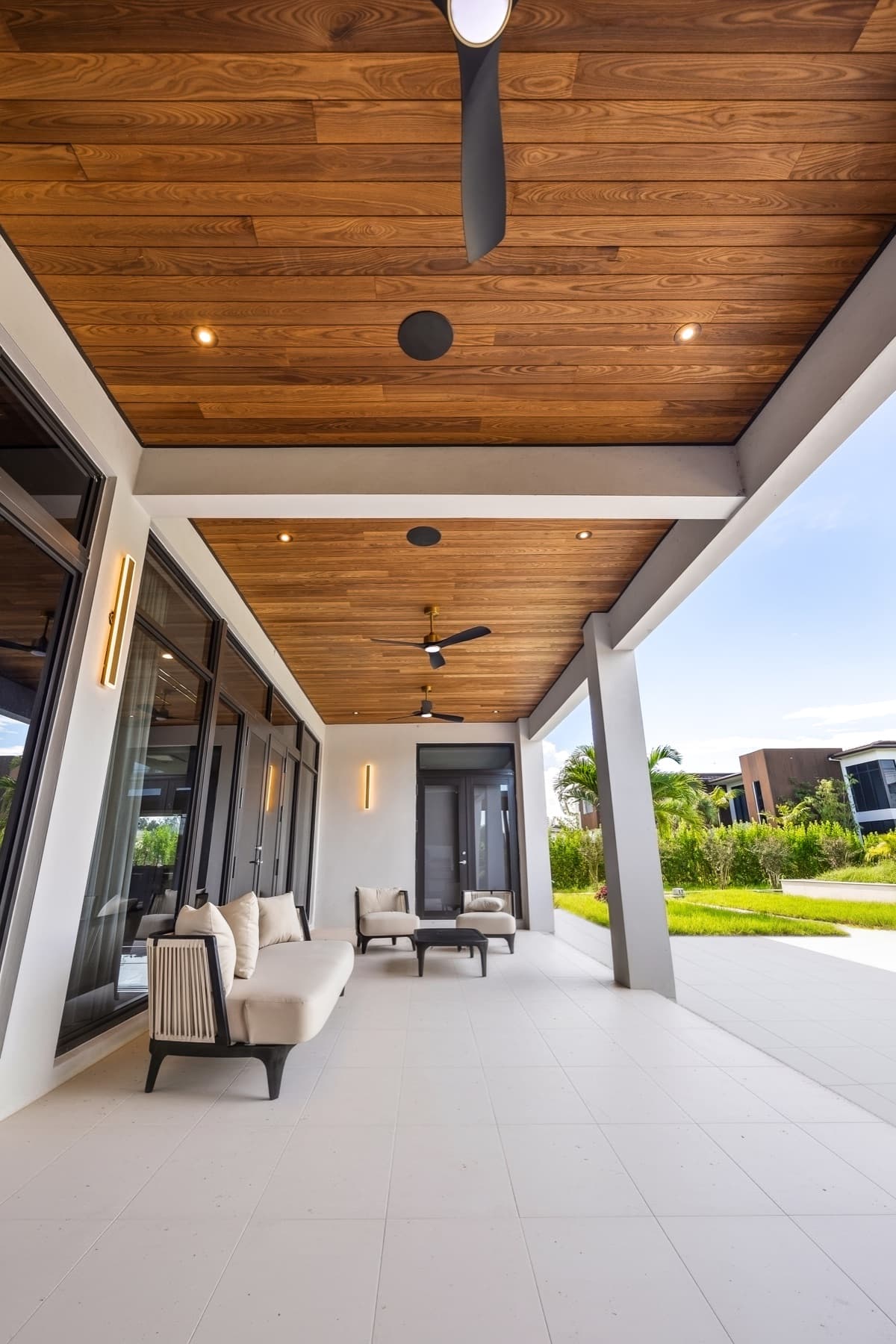
Early Coordination is Key: Before You Cut
The most common pitfall in integrating lighting is making decisions too late in the project. Ideal planning involves coordinating with your electrician and general contractor before any ceiling or soffit material is ordered or cut. This allows for the selection of appropriate fixture types, confirmation of necessary clearances, and planning for electrical runs and junction box placements. Retrofitting lighting into an existing ceiling or soffit can be significantly more complex and costly.
Consider the type of lighting you intend to use. Recessed can lights are popular for a clean, flush look, but require specific depths and clearances. Surface-mount fixtures may be easier to install but can alter the visual plane of your ceiling. Track lighting offers flexibility in aiming but also requires a different installation approach. Each type has distinct requirements that must be factored into your material selection and installation plan.
Understanding Fixture Clearances and Material Compatibility
Different lighting fixtures have specific clearance requirements. Recessed lights, for instance, often need adequate space above the fixture for heat dissipation and to accommodate the housing. This is particularly important when installing in soffits where attic space may be limited or insulation is present. Always consult the manufacturer's specifications for each fixture to understand its minimum clearances.
When working with wood ceiling and soffit boards, such as Scandinavian thermally modified wood or Brazilian hardwoods, it's important to ensure that any heat generated by the fixture will not damage the wood over time. While modern LED fixtures generally produce less heat, older incandescent or halogen fixtures can pose a risk. Ensure that the fixture's listed operating temperature and any required air gaps are compatible with the selected ceiling material. For materials like Norx composite ceiling and soffit, checking manufacturer guidelines for heat exposure is also essential.
Some fixtures may require a specific type of junction box or mounting bracket that needs to be secured to the framing behind the ceiling material. Planning for this attachment point before the ceiling boards are installed simplifies the process and ensures a secure installation.
Planning for Service Access and Future Maintenance
While recessed lighting offers a streamlined look, it can sometimes make future service or replacement challenging if not planned carefully. Consider how an electrician would access the fixture if a bulb needs changing or the unit requires repair. For some applications, especially in soffits with limited access from above, fixtures designed for easy removal from below are preferable.
For larger ceiling areas, strategically placed access panels, if aesthetically acceptable, can simplify maintenance. Alternatively, select fixtures that are known for their longevity and ease of bulb replacement without extensive disassembly. This foresight can save time and money in the long run.
A Worked Example: Recessed Lighting in a Thermally Modified Ayous Soffit
Consider a hypothetical covered patio with a 10-foot by 20-foot soffit to be finished with thermally modified Ayous ceiling boards (6-inch face width). The homeowner desires six recessed LED can lights, evenly spaced. Each chosen fixture has a 6-inch diameter trim and requires a minimum of 4 inches of clear space above the fixture housing.
First, the electrician should verify the available depth between the bottom of the roof joists and the planned surface of the Ayous boards. The electrician will then map out the exact locations for the junction boxes and rough-in the wiring. For six lights in a 10x20 area, a common layout might involve two rows of three lights, centered on the 10-foot width and spaced evenly along the 20-foot length. This means lights would be approximately 3 feet 4 inches from the side edges and 5 feet apart along the length.
Once the wiring is roughed in and approved, the Ayous boards can be installed. As each board is fastened, the precise center for each light opening is marked. Using a hole saw corresponding to the fixture's trim size (e.g., 6 inches), the openings are cut into the Ayous boards. It is crucial to cut precisely to ensure a clean fit. After all boards are installed and cuts are made, the electrician returns to connect and install the final fixtures. This coordinated approach prevents damage to the finished wood and ensures all electrical requirements are met.
The thermally modified Ayous boards offer a stable and attractive surface for this application. You can explore these at our Thermally Modified Wood collection: /thermally-modified-wood.
Considering the Aesthetic Impact
Beyond functionality, lighting plays a significant role in the overall aesthetic of your ceiling or soffit. The color temperature of the light (warm white, cool white, daylight) can influence how the wood's natural tones, such as those found in Brazilian hardwoods like Ipe or Garapa, are perceived. Consider how the light will interact with the grain and finish of your chosen material.
The trim style and color of the light fixtures should also complement the ceiling material. For a modern look, consider trimless recessed fixtures that virtually disappear into the ceiling plane. For a more traditional aesthetic, a decorative trim that matches or contrasts subtly with the wood might be preferred. Consistency in fixture type and spacing contributes to a polished, professional finish.
Ventilation and Other Soffit Elements
If your project involves a vented soffit, ensure that lighting integration does not compromise the airflow necessary for attic ventilation. Recessed fixtures should not obstruct vent openings or interfere with the continuous flow of air. Always verify that any cuts for lighting do not weaken the structural integrity of the soffit or interfere with its primary function of ventilation. For additional soffit material options, consider our Versatex collection: /brands/versatex.
When planning for other elements like ceiling fans, follow similar principles for clearances and structural support. The combined layout of lights and fans needs to be considered holistically to avoid a cluttered appearance or functional interference.
Before you order
- Confirm lighting fixture type (recessed, surface, track) and dimensions early in the planning phase.
- Verify minimum clearance requirements for all chosen fixtures with your electrician.
- Ensure selected fixtures are compatible with the heat tolerance of your ceiling/soffit material (wood, composite).
- Plan for electrical rough-in and junction box placement before any ceiling/soffit material installation.
- Determine the exact spacing and layout of lights to achieve desired illumination and aesthetic.
- Consider future service access and maintenance needs for each fixture type.
- Coordinate cutting of ceiling/soffit material with fixture dimensions for precise openings.
- If applicable, ensure lighting integration does not obstruct soffit ventilation.
- Select light trim styles and colors that complement the ceiling/soffit material.
Confirm installation details, approved uses and warranty terms in the current instructions for the exact product and profile. Your installer should verify the substrate, structure and applicable project requirements.
Questions to help you decide
What kind of lighting is best for a wood soffit?
Recessed LED lighting is a popular choice for wood soffits due to its low profile, energy efficiency, and minimal heat output, which is beneficial for wood materials. It provides a clean, integrated look. However, the 'best' option depends on your aesthetic preference, desired light output, and available depth in the soffit structure. Always ensure the fixture's specifications meet the necessary clearances and are compatible with the soffit material.
Do I need special tools to cut holes for recessed lights in ceiling boards?
Yes, for clean and precise cuts in wood or composite ceiling boards, a hole saw attachment for a drill is typically recommended. The size of the hole saw should match the specific cut-out diameter required by your recessed light fixture's manufacturer. Using the correct tool helps prevent splintering or uneven edges, which are crucial for a professional finish.
Can I install recessed lighting in a thermally modified wood ceiling?
Yes, thermally modified wood, such as thermally modified Ayous or Ash, is suitable for ceilings with recessed lighting. Its enhanced stability makes it a good choice for applications where precise cuts are needed. As with any wood product, it is important to ensure that the chosen LED fixtures generate minimal heat and that all manufacturer-specified clearances are maintained to prevent any potential issues over time. Always consult the fixture's installation guide.
Ready to Plan Your Ceiling or Soffit with Integrated Lighting?
Request a material quote today! Provide your project dimensions, desired ceiling or soffit profile, and ZIP code. We can help you confirm current material availability and service options for your project.
Request a material quote →